
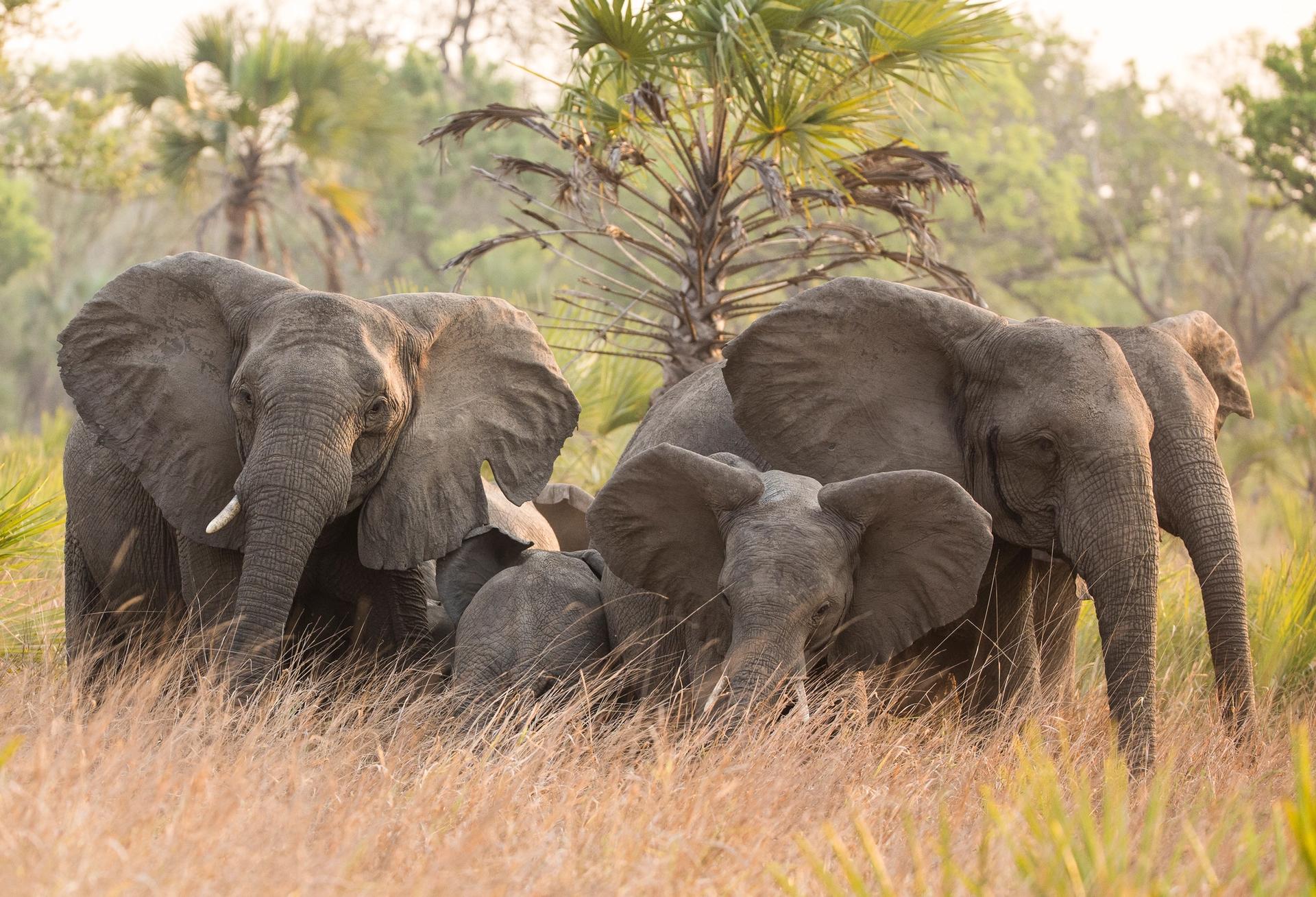
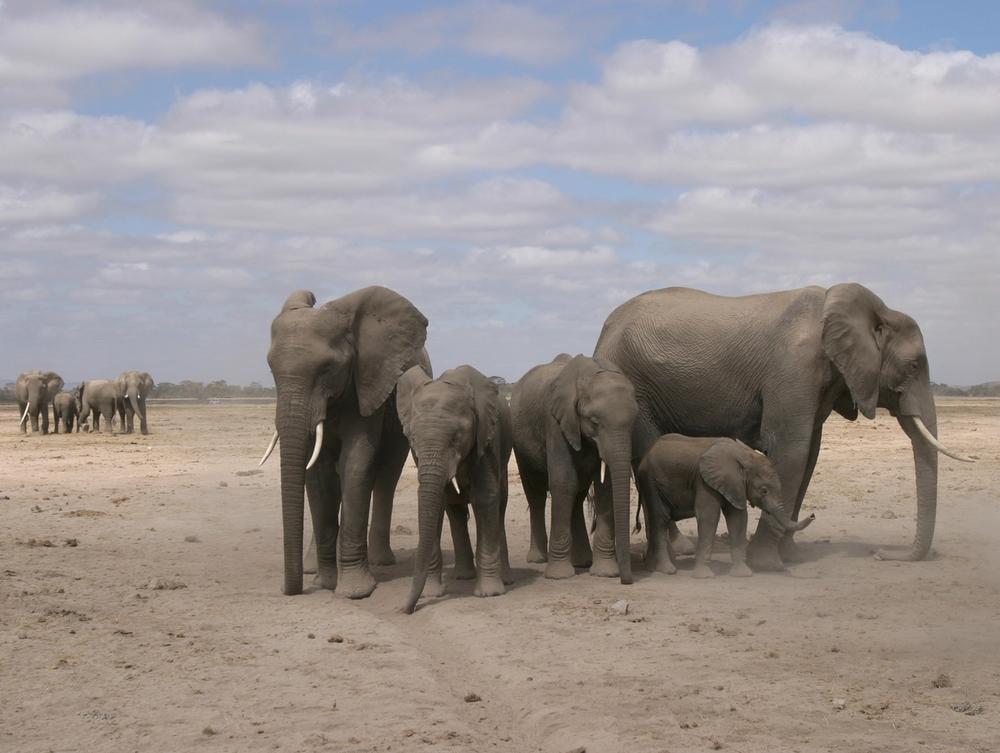
Elephants live in a complex societies built around strong family bonds, lifelong relationships and long-term memory. Their social system is fluid and multi-layered, ranging from close-knit relationships in families and bond groups to looser ties within clans and the wider population in which groups form, split, and reunite over time.
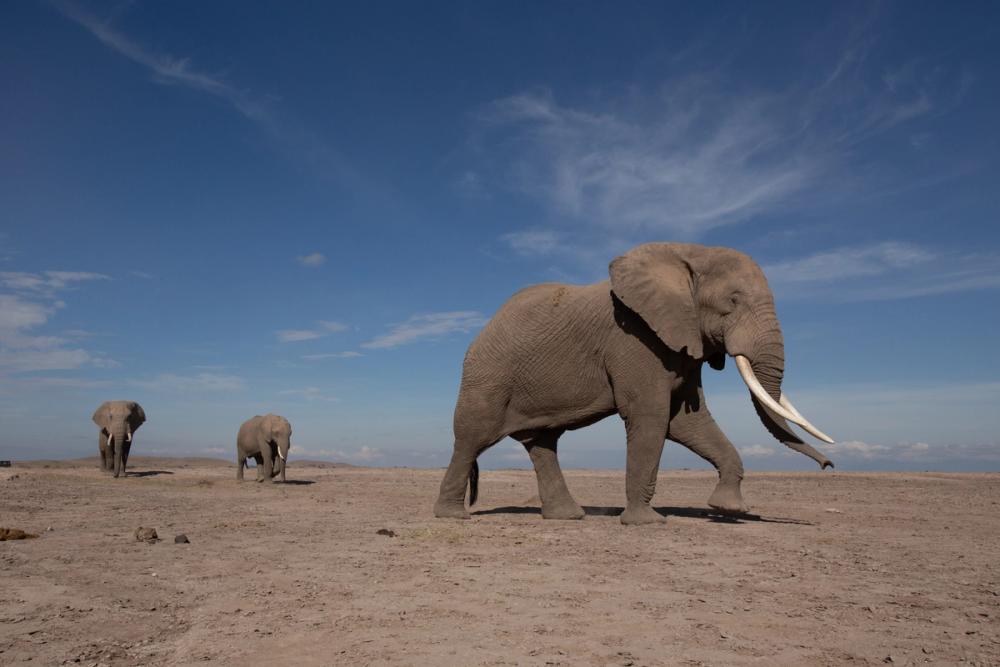
Male elephants follow a very different social path from females, moving from family life into a world of independence, alliances, and competition. As they mature, they move between peer groups and reproductive arenas, learning their the rules of male society and their rank within it. Age and fluctuating cycles of musth shape their lives, creating a dynamic balance between cooperation, dominance, and reproductive opportunity.
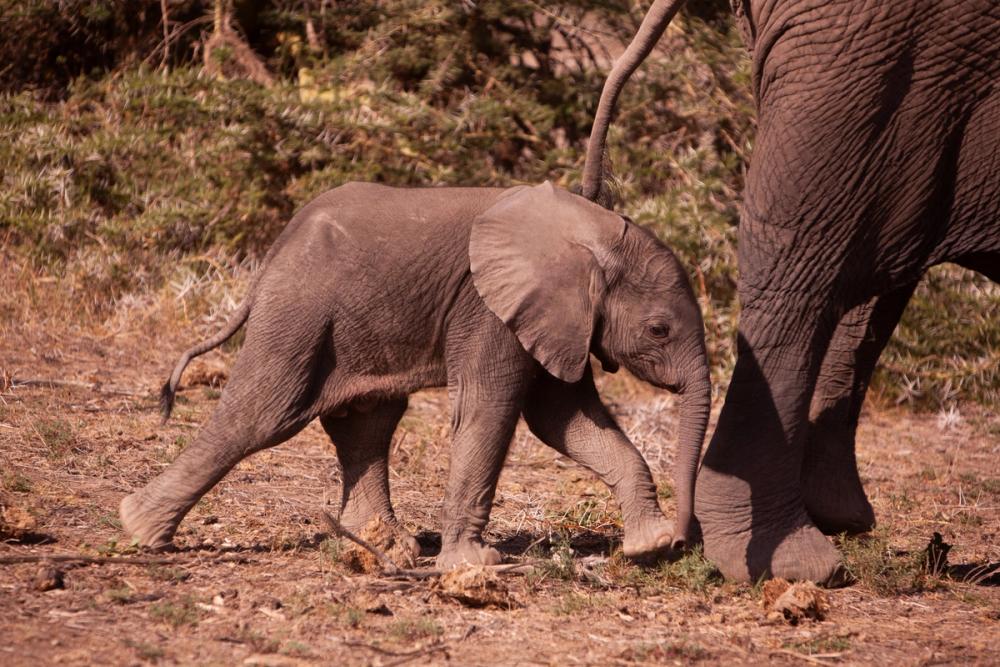
Elephants are slow-growing, long-lived mammals whose extended lifespans shape their societies and survival. With decades of social and ecological knowledge older females and male are role models for younger elephants and older males achieve the greatest reproductive success. Protecting these elders is essential, as their experience, leadership, and genetic contribution sustain future generations.
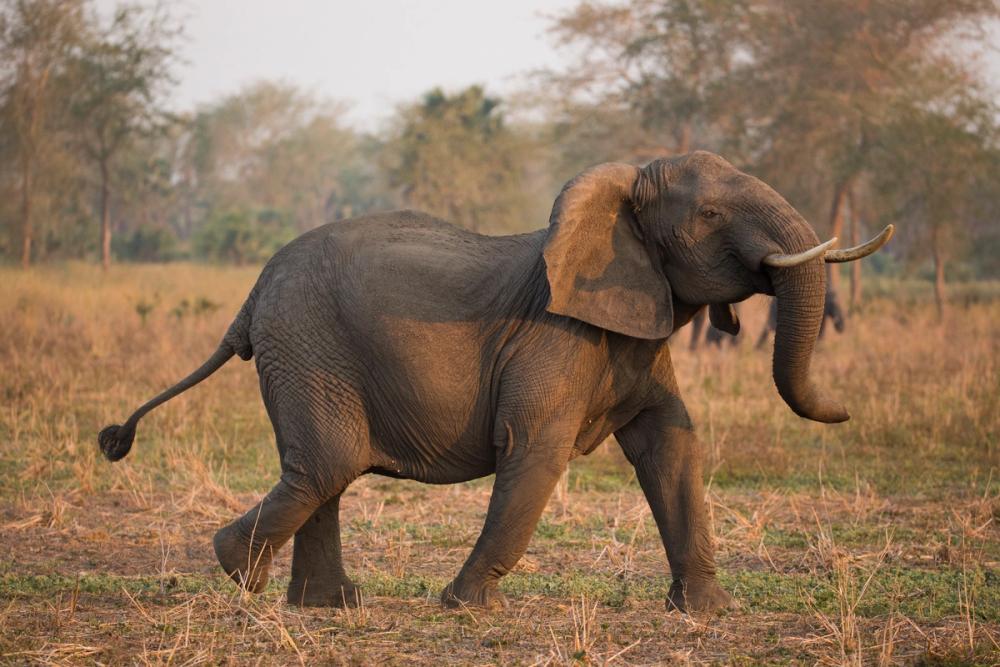
Elephants have distinct and enduring personalities that shape how they relate to others. Nowhere is this more evident than in the matriarch, whose experience and temperament guide her family through challenge, uncertainty, and change.
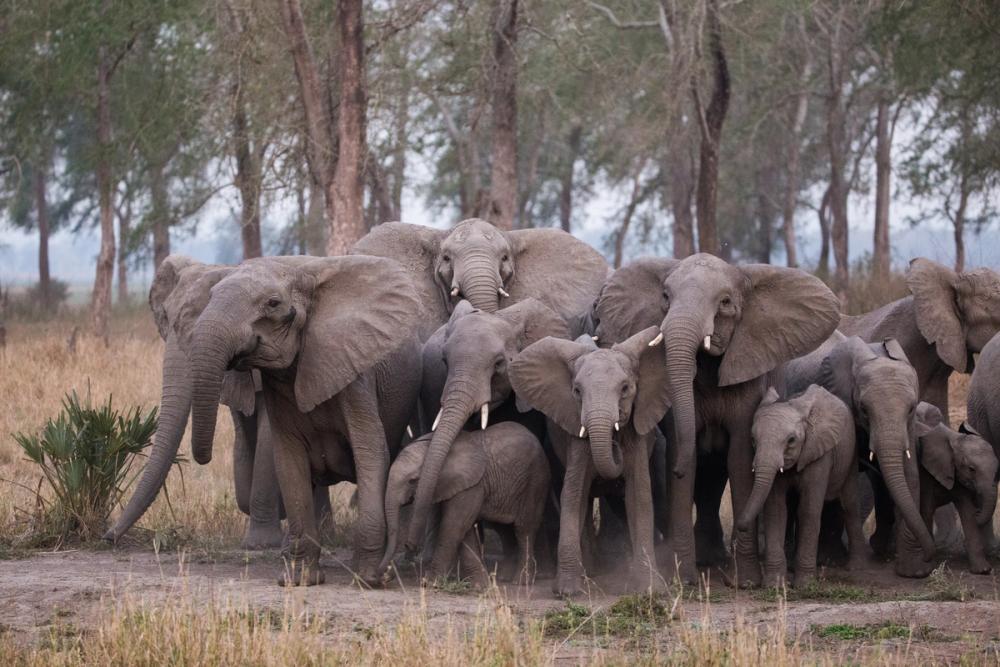
Elephant societies are more than social structures — they are cultural worlds shaped by learning and shared history. Discover how traditions, trauma, and experience can be passed across generations.
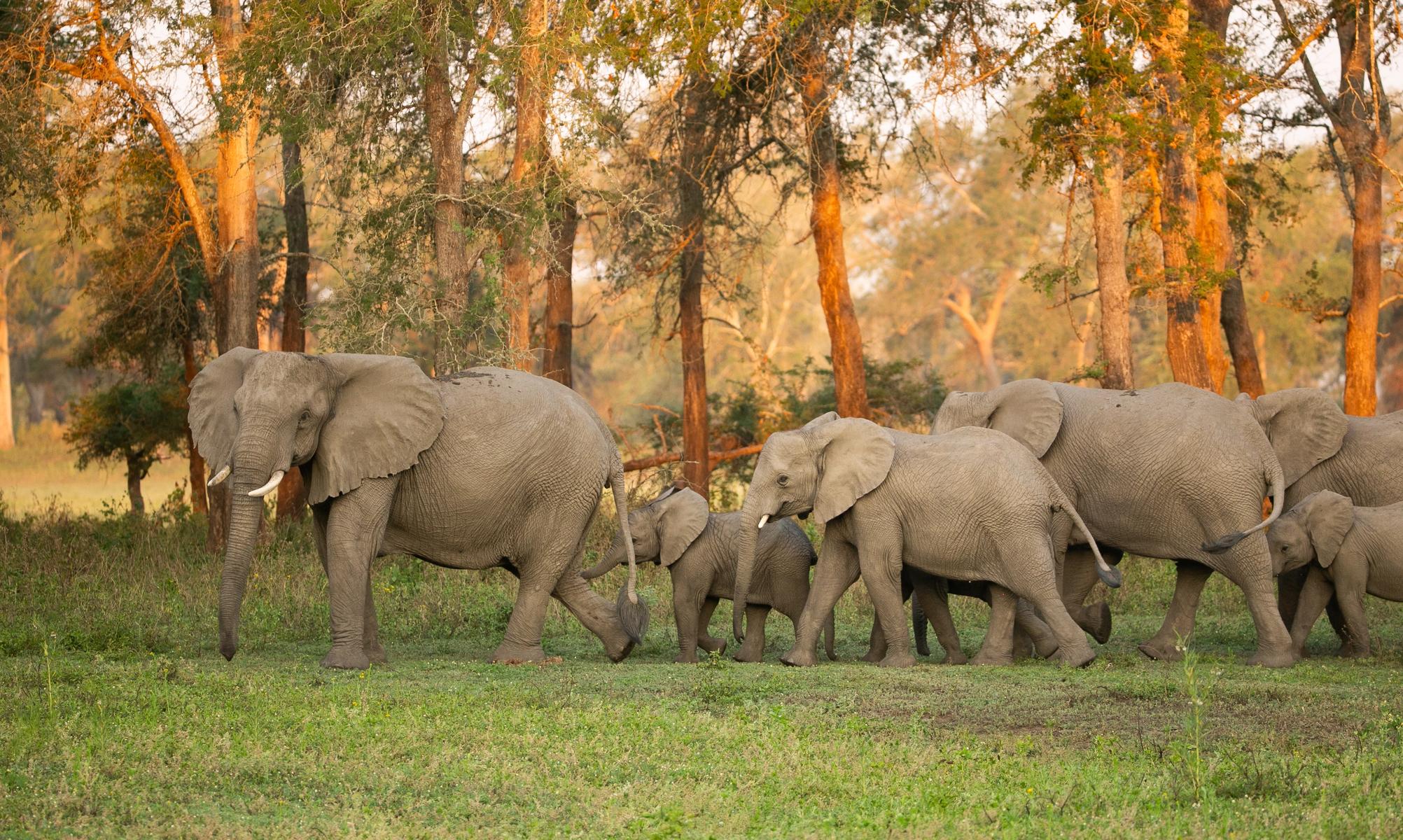
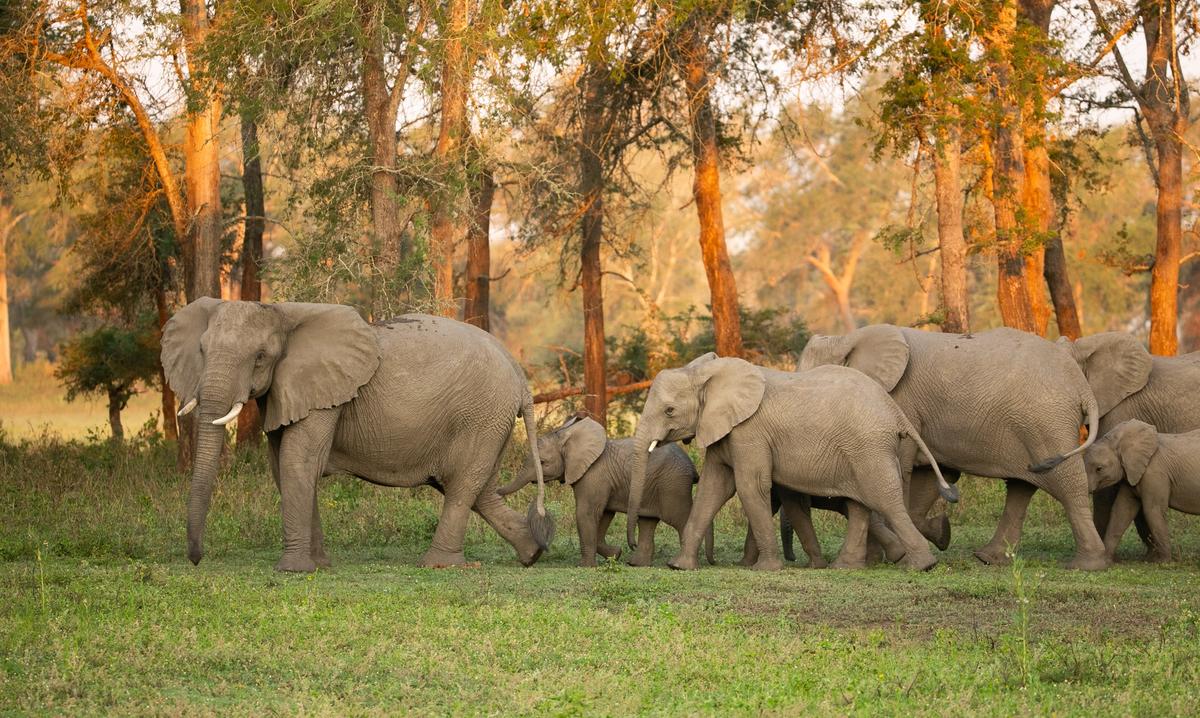
The largest video and audio library of elephant behaviors.