
Elephants are slow-growing, long-lived mammals that can survive up to 70 years in the wild. Their long lives shape every aspect of their biology: how they grow, how they reproduce, how they raise young, and how they organize their societies. Longevity and reproductive success are deeply connected. Older females are far more successful at raising calves to maturity than younger mothers, and the oldest males are the most successful breeders. Because of this, the loss of older elephants — often targeted by poachers and trophy hunters — has far-reaching consequences for families and entire populations.
Long lifespans also allow elephants to accumulate decades of experience. Elders act as repositories of social and ecological knowledge, guiding their families through seasonal change, drought, unfamiliar landscapes, and danger. When these key individuals are removed, the stability and success of future generations can be severely diminished.
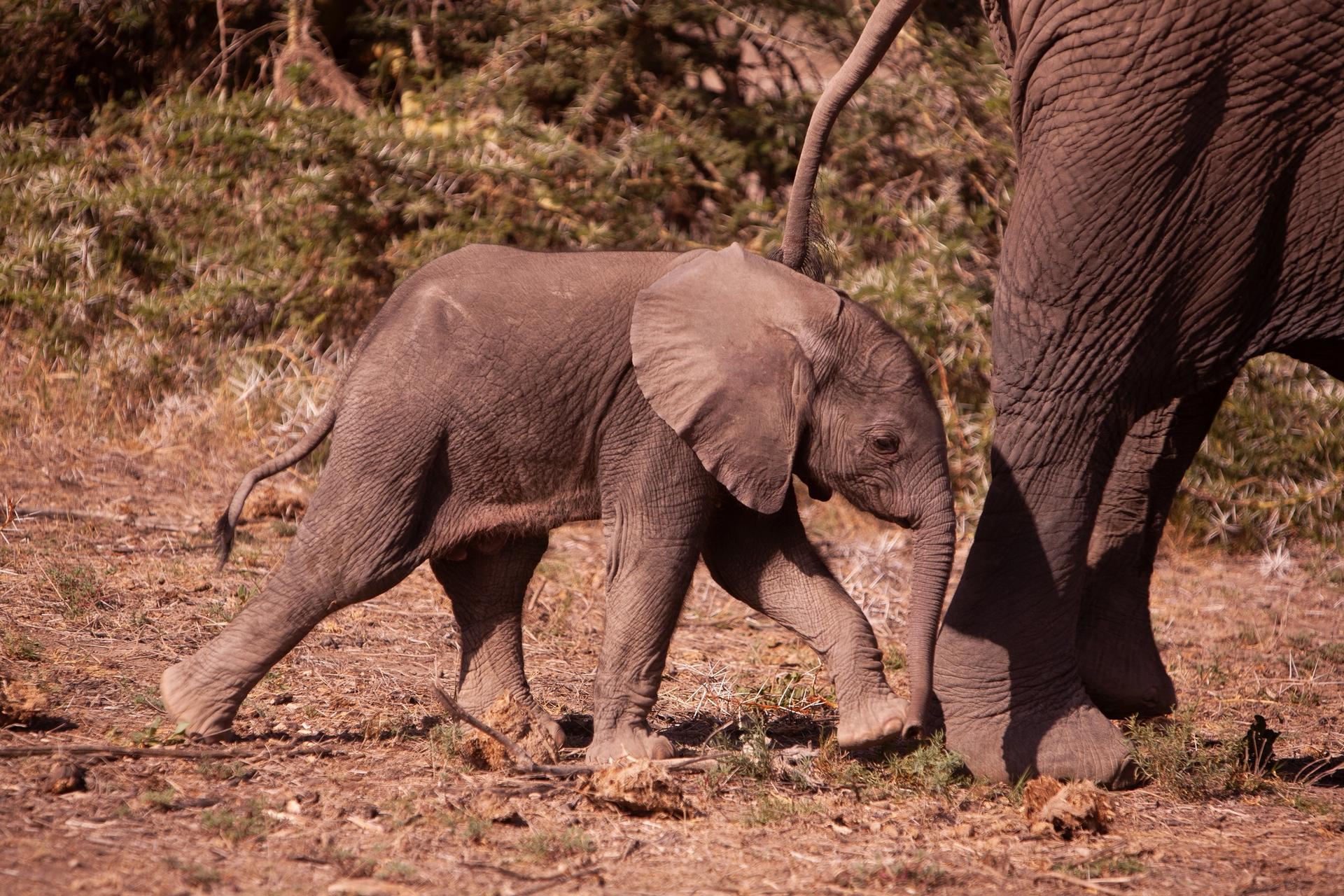
Elephants have the longest pregnancy of any land mammal — about 660 days, or roughly 22 months. Calves are born highly dependent and develop slowly, relying on their mother’s milk for more than two years. During the first three months of life, a calf depends almost entirely on its mother. Thereafter calves begin to sample plants though they do not obtain substantial nutrition from vegetation until they are at least two years old. By age three, calves can be fully weaned, though many continue to suckle beyond that age.
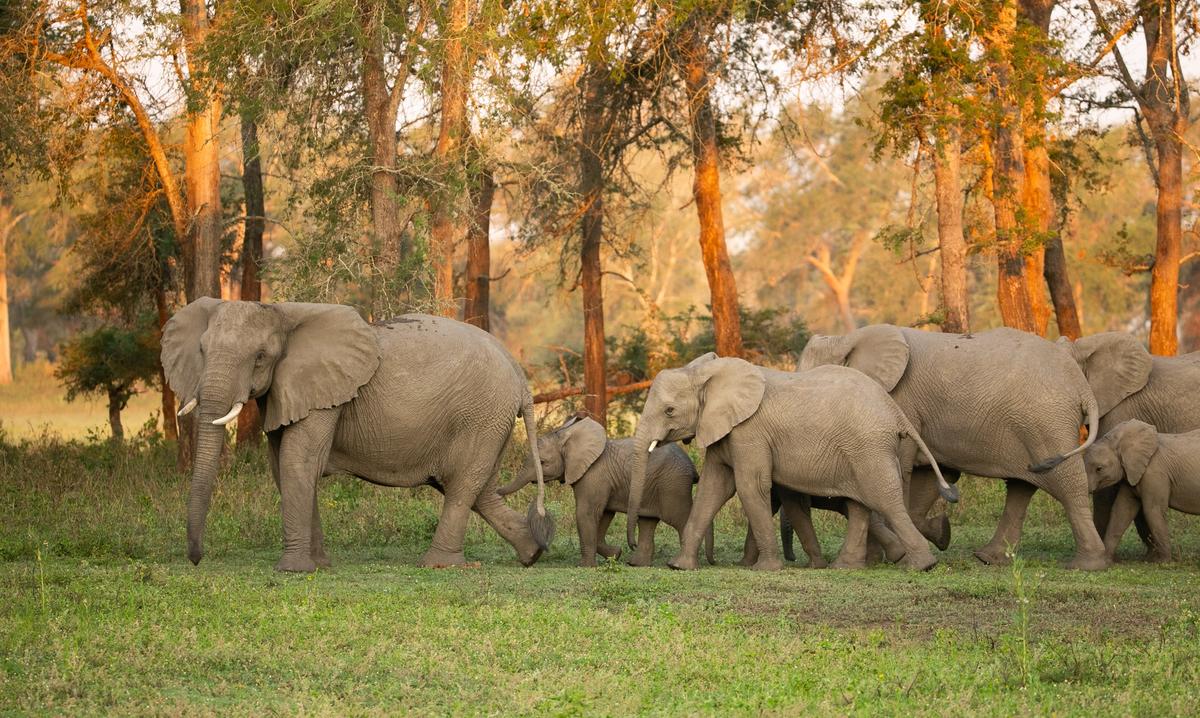
This extended childhood is supported by the entire family. During their first years of life, calves remain almost within a couple of meters of their mothers. They rely on close relatives for protection, guidance, and comfort. Juvenile or adolescent female relatives — older sisters, aunt or cousins — play an important role. These help by guard, guide, rescue and lift calves when they fall, and accompany them when the mother is at a distance. Calves will sometimes comfort-suckle from these non-lactating helpers for reassurance. Occasionally, grandmothers allow their daughters’ calves to nurse, but most nutritive suckling is restricted to mothers.
Dame Daphne Sheldrick
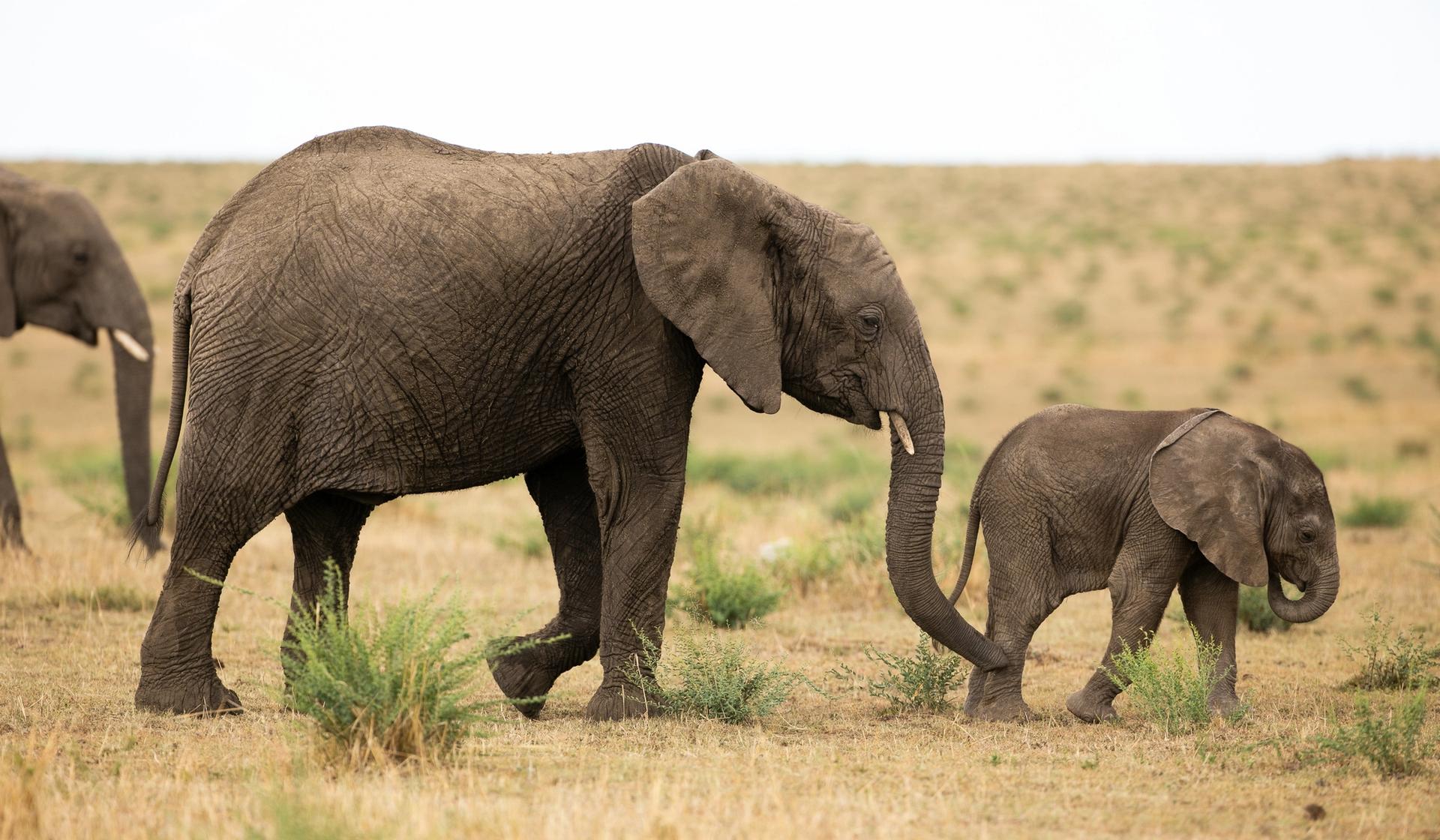
Throughout an elephant’s life, environmental variability and a changing social world require flexibility and adaptation. Knowledge gained and retained over decades contributes to individual survival, reproductive success and can influence the fortunes of entire families.
Older females serve as vital repositories of social and ecological knowledge. Through decades of experience, they accumulate information about migration routes, seasonal water sources, and the locations of food during droughts - knowledge that can mean the difference between life and death for the family.
Older females, especially matriarchs, also play a crucial role in maintaining a family’s social cohesion, recognizing friends and foes, and mediating relationships among individuals. Their ability to recall past experiences and respond appropriately to threats — such as distinguishing between familiar humans and dangerous predators — demonstrates remarkable memory and intelligence.
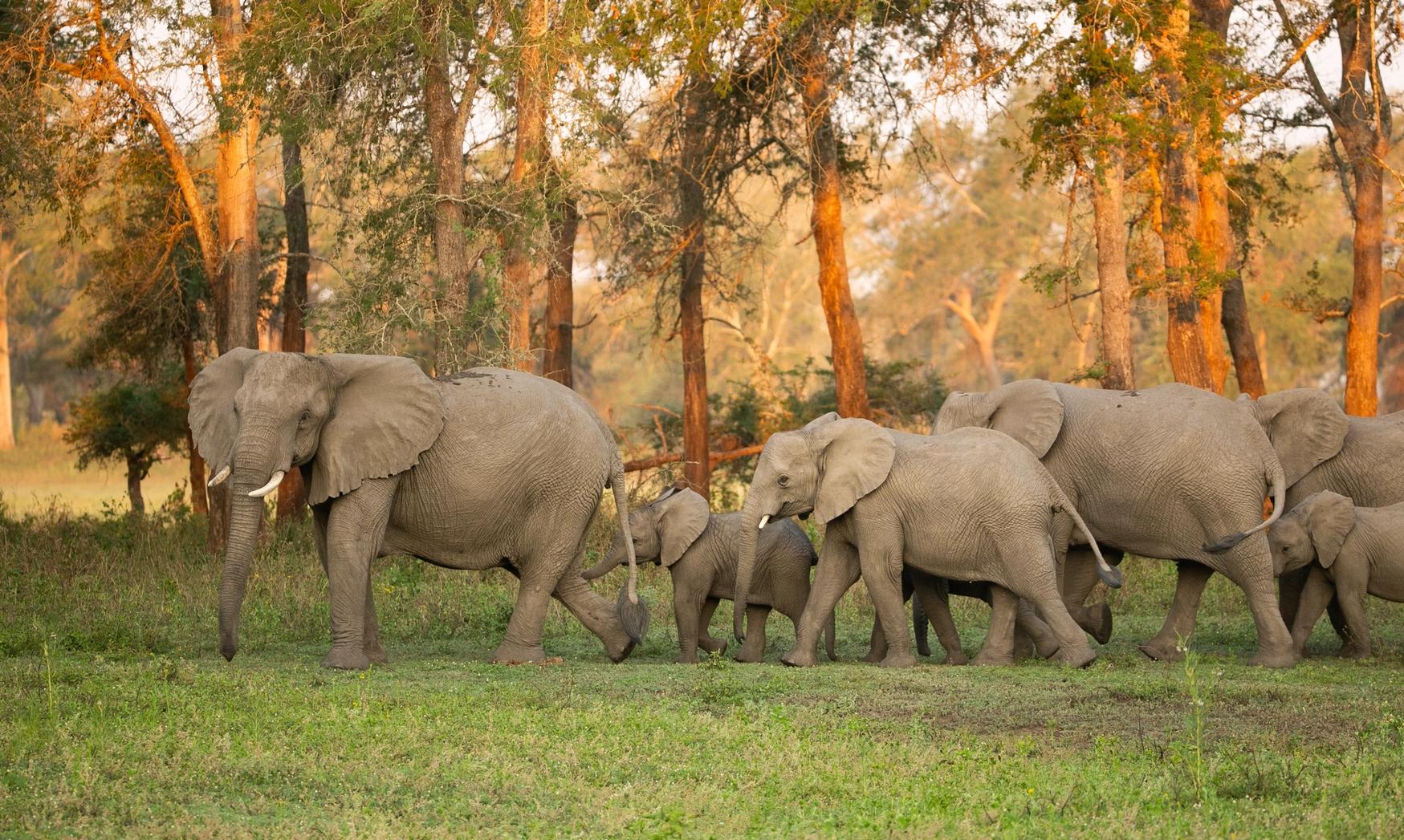
Research shows that elephants recognize and respond to the judgment of older females: calves of young mothers spend considerable time near their grandmothers; family members move toward the oldest individual in times of danger; and groups led by young matriarchs often associate with those led by older, more experienced leaders.
In this way, decisions taken by older female elephants influence the survival and success of their entire families and, as role models, they pass on essential survival skills and social traditions to younger generations, ensuring the continuity and resilience of elephant societies. Long lifespans and overlapping generations allow cultural knowledge to be passed across decades. This transmission of experience is fundamental to the stability and sophistication of elephant society.
Male elephants also mature slowly. Teenage male start to produce sperm at around the same time that they begin the process of becoming independent from their families. Though it is not until a male is around 17 years of age that he begins to produce sperm in quantity. Although these teenage males show interest in receptive females, their smaller size and low social rank prevent them from mating successfully. At this stage they are only half the weight of a full grown male. They must grow and gain experience before they can compete effectively with larger, older males.
Males under about thirty years of age sire calves relatively rarely. The peak period of reproduction occurs between roughly forty and fifty-five years, and many males remain reproductively active into their early sixties. Genetic studies from the Amboseli population show that older males in musth — a period of heightened testosterone, aggression, and sexual activity — father around three-quarters of all calves. Musth is energetically costly and only large, healthy and experienced males can sustain it for long period. Consequently, older males in musth dominate access to receptive females.
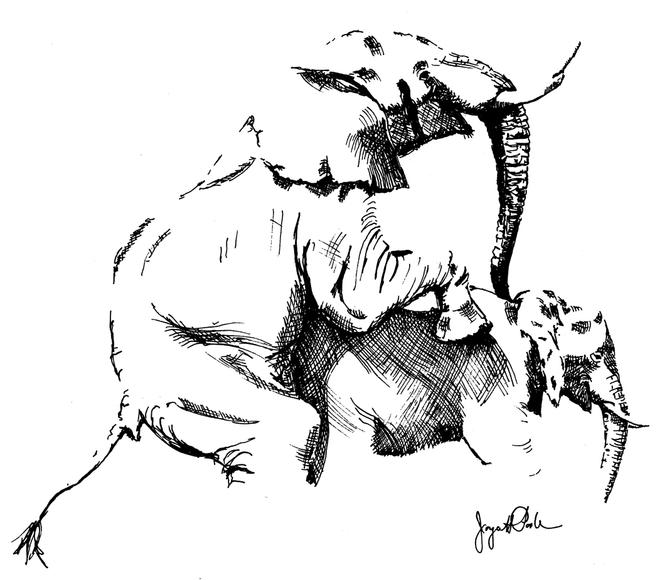
Joyce's pen & ink drawing of Amboseli musth male, Patrick, mating with a young estrous female.
Musth amplifies the advantages that come with age. Because it demands considerable energy and stamina, only the largest and fittest males can sustain long musth periods. The condition allows these older males to monopolize mating opportunities, reinforcing the link between longevity and reproductive success.
Experience and physical condition also play important roles in successful mating. Copulation is a complex behavior requiring coordination, strength, and timing, skills that improve with age. Larger males are better able to compete with rivals, and females tend to prefer them as mates.
Since many males die before reaching forty — the age at which they begin to reproduce regularly — only a small proportion of the male population contributes genetically to future generations. Long-lived individuals such as Dionysus and Bad Bull, both of whom lived into their sixties, sired dozens of calves, while most males who died younger produced few if any.
In summary, longevity underpins reproductive success in male elephants. Surviving long enough to attain large body size, enter extended musth, and gain social dominance allows older males to father most of the next generation. Lifespan is therefore a critical factor shaping male fitness and the genetic structure of elephant populations.
Older males also hold important knowledge. Research shows that they typically lead all-male groups, guiding younger, less experienced males in movement and decision-making. These elders are more likely to take the lead in traveling groups than younger males. These elders help younger males navigate unfamiliar terrain, find water or food, and avoid danger, contributing to the cohesion and survival of their companion groups. Because older males hold both biological and social significance, their removal — whether by hunting or poaching — can disrupt male social structure and reduce the transfer of this ecological knowledge.
Archie EA, Hollister-Smith JA, Poole JH, Lee PC, Moss CJ, Maldonado JE, Fleischer RC, Alberts SC. 2007. Behavioural inbreeding avoidance in wild African elephants. Molecular Ecology. 16:4128–4148. https://doi.org/10.1111/j.1365-294X.2007.03483.x
Hollister-Smith JA, Poole JH, Archie EA, Vance EA, Georgiadis NJ, Moss CJ, Alberts SC. 2007. Age, musth and paternity success in wild male African elephants, Loxodonta africana. Animal Behaviour. 74:287–296. https://doi.org/10.1016/j.anbehav.2006.12.008
The largest video and audio library of elephant behaviors.