
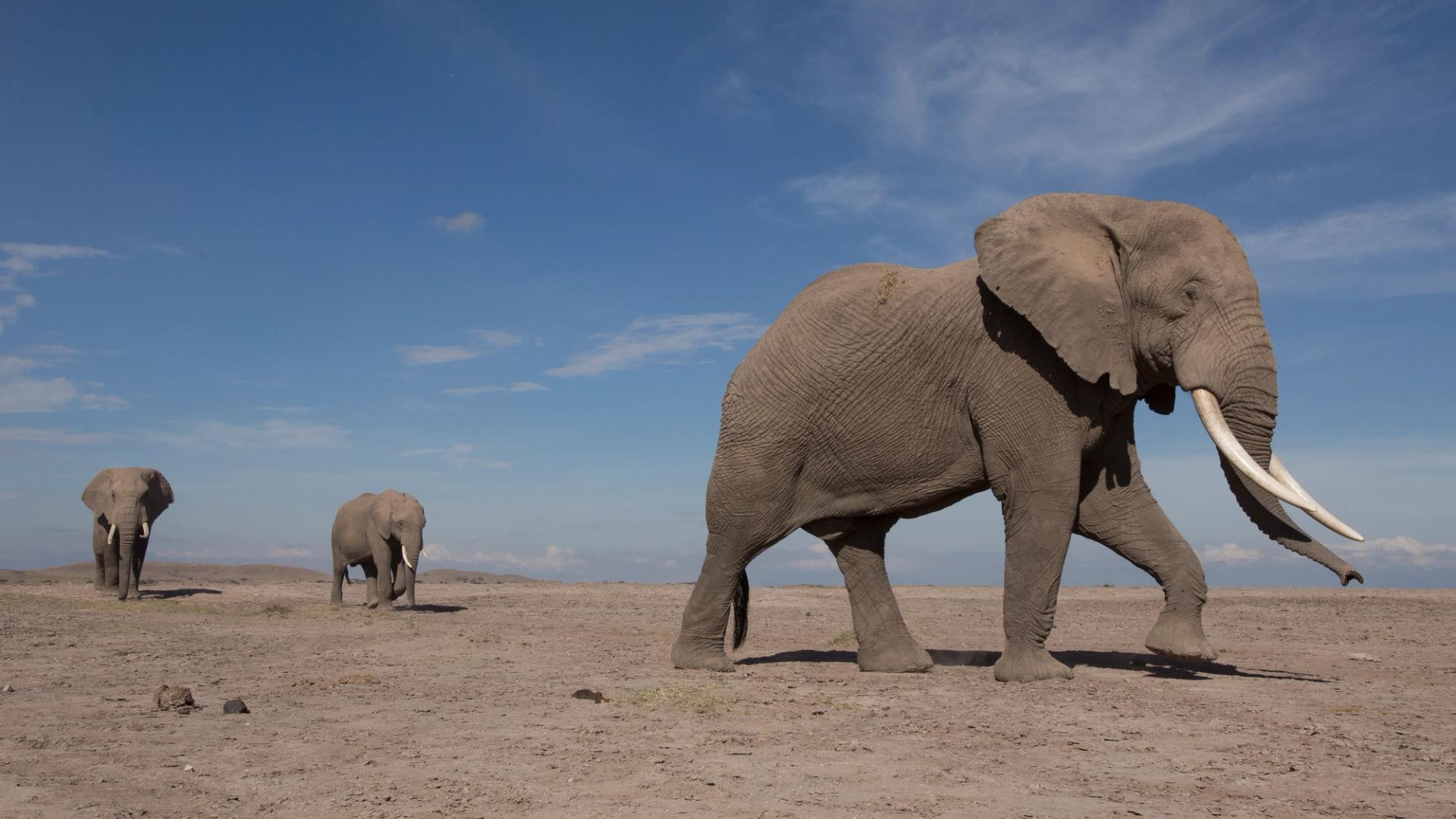
From dependent calves to independent adults, male elephants follow a gradual path away from their natal families. They learn through interaction with peers and older males, developing the skills needed to survive and reproduce. Their lives are shaped by age, experience, body condition and shifting hormonal cycles of musth.
Young male elephants grow up within the tightly bonded society of females. As calves and juveniles, they maintain close relationships with their relatives and participate in the social life of the family, though usually at a lower intensity than their female age-mates. From an early age, males behave differently than females. Their play is rougher, more physical, and exploratory — they venture farther from their mothers to seek playmates and test boundaries within the safety of their family.
Males begin to show signs of independence around nine years old, and have typically become fully independent from their natal family by around 14 years old, though some males may take significantly shorter or longer paths to independence. Afterward, a male may join another family temporarily, move among several family groups with peers of similar age, or spend time with all-male groups in designated male areas.
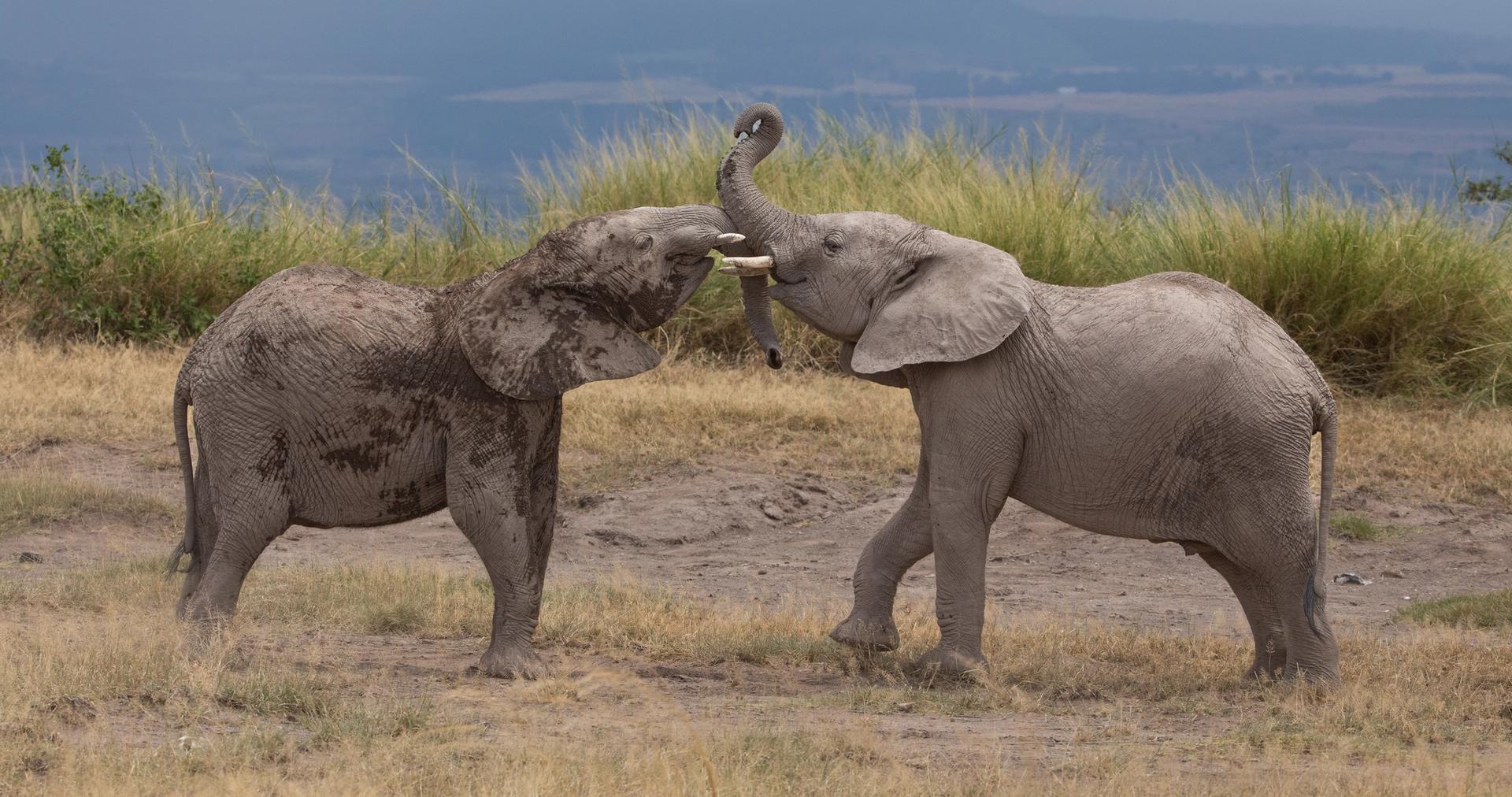
Between the ages of five and fifteen, male and female elephants become increasingly distinct — not only in appearance but also in behavior. Around eight to nine years old, males begin to spend short periods away from their family, returning after a day or two. Over time, these absences lengthen as they move toward self-reliance.
During this pubescent phase, young males often linger on the fringes of their natal groups, seeking out play partners from other families. Through these interactions, they learn about strength, status, and social tolerance. They also watch and follow older males, observing their behavior and interactions with females. This early social education helps them avoid dangerous or fatal encounters later in life.
A male’s growing interest in rough-housing with peers from other families appears to be the catalyst for his eventual departure. In Amboseli, males are considered independent when they spend less than 20% of their time with their natal family. On average, males achieve independence at around 14 years of age, though the range is wide — some as early as nine, others as late as eighteen.
In their twenties, males enter another transitional stage, gradually establishing specific zones known as male or bull areas, where males gather when not sexually active. Amboseli has about four such areas.
These areas function like training grounds or all-male clubs, where males build condition, test one another’s strength, and form lasting friendships. Bonds forged here are critical, shaping alliances and hierarchies that influence later success. Males return to these areas year after year, often reuniting with the same companions. Although the associations between males are more fluid than those among females, the relationships are typically relaxed and friendly — and can last a lifetime.
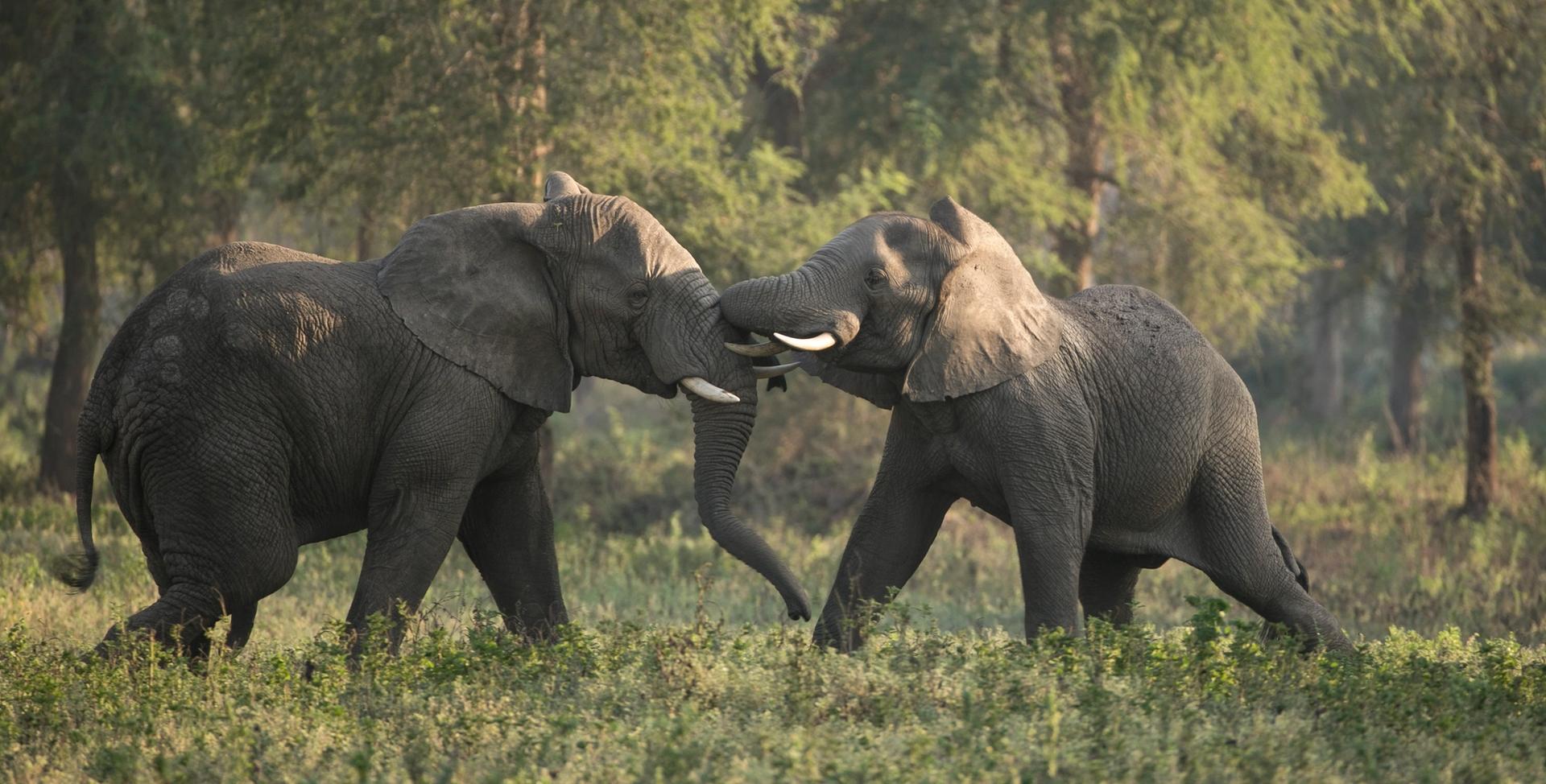
A male’s social world and behavior shift with his hormonal state, which alternates between sexually inactive and sexually active phases governed by testosterone levels. When testosterone levels are low, males are sexually inactive and tend to associate in all-male groups within the male areas. Here, they build and maintain the lifelong bonds that define male society. These gatherings are peaceful, cooperative, and serve as a time for rest, feeding, and social play.
As testosterone begins to rise, males become sexually active and leave the male areas to search for estrous females. Some younger males may even enter brief, opportunistic bouts of musth — a heightened period of sexual activity marked by surging testosterone levels, aggression, and distinct behavioral displays — including temporal gland secretion, continuous urine dribbling, ear-waving, and a deep “musth rumble.” These short-lived musth periods can last only a day or two, offering a temporary advantage: a chance to assert dominance, practice aggression, or even mate. However, if a higher-ranking musth male appears, the younger male’s musth ends almost immediately — his aggression fades, the dribbling stops, and he resumes a lower position in the hierarchy.
By their late 20s and early 30s, males begin to experience regular sexual cycles punctuated by musth — a key stage in their reproductive lives. In Amboseli, males in musth range in age from 17 to 63 years old.
Musth temporarily reshuffles the hierarchy among males. Normally, rank in male groups is determined by age and size — which influences access to resources such as water and shade. But when a male enters musth, musth trumps everything. Even a younger musth male ranks above an older non-musth male. His hormonal state signals to others that he is in peak physical and reproductive condition, and all males — even those normally dominant — defer.
When two males in musth meet, rank is usually determined by age and body size. Yet because musth males enter and leave this state on different schedules, dynamics are fluid. A younger male in early musth may challenge an older male in late musth who has lost condition, and it is under such circumstances that serious fights can erupt.
The signalling behaviors of musth — rumbles, urine trails, and displays — serve an important function: they help males avoid conflict. Fights are dangerous and can be fatal, so these signals communicate strength and status without the need for direct combat. Over time, experience and longevity enhance a male’s survival and reproductive success — the longer a male lives, the more offspring he sires.
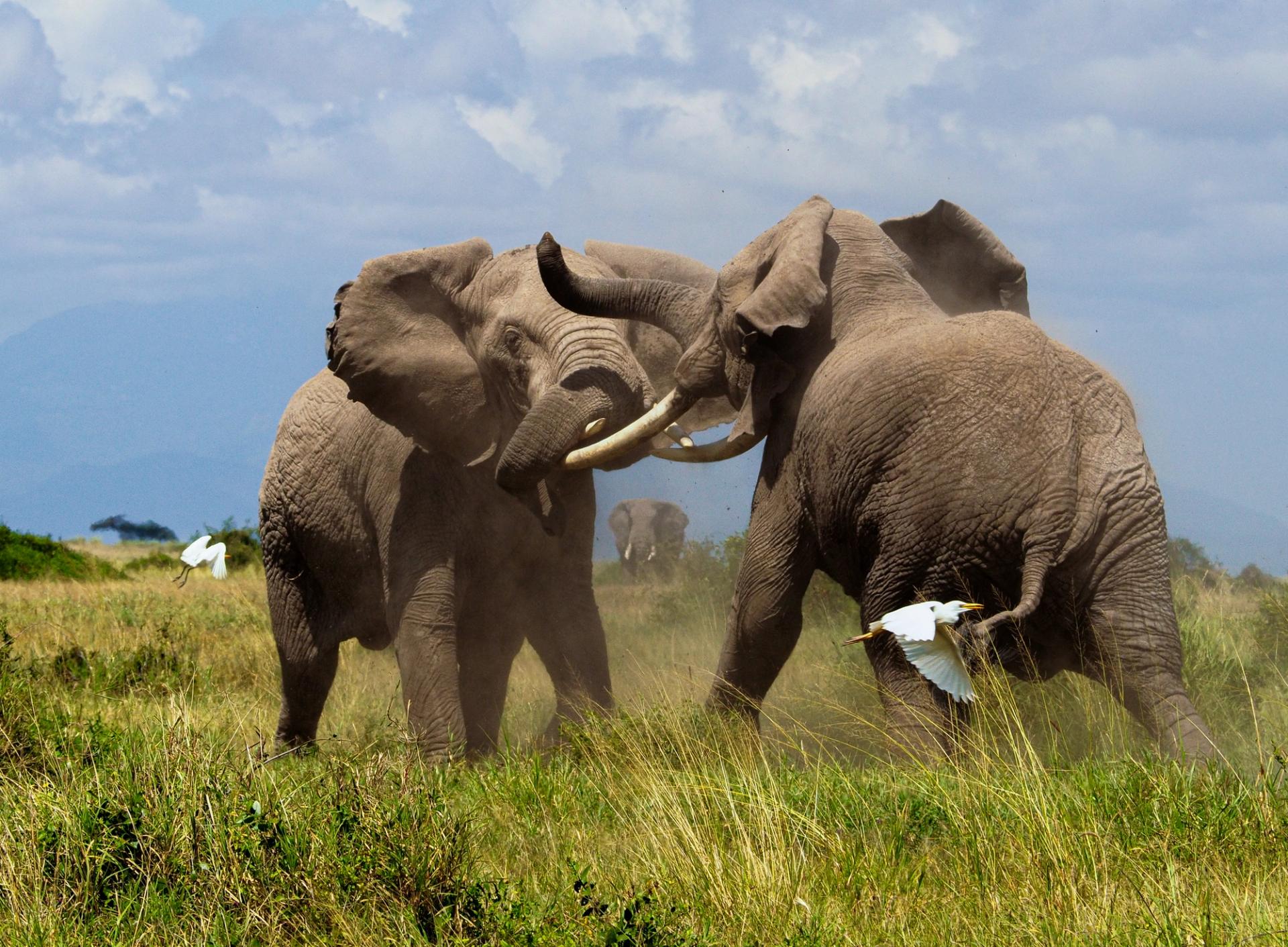
Even the highest-ranking males avoid unnecessary conflict, where possible, steering clear of potential equals. In the 54 years of the Amboseli Elephant Research Project, only five males have been killed by another male.
Timing of musth plays a key role in reducing conflict. Among the highest-ranking males, musth cycles are staggered. Where there is overlap they tend to avoid one another by using different parts of the ecosystem, guided by subtle communication.
Through musth rumbles and urine trails, males announce their presence, allowing others to avoid direct encounters. Younger or lower-ranking males stay out of the way, sometimes even suppressing their own musth to avoid confrontation. Instead, they search for estrous females who are not already being guarded by a dominant male.
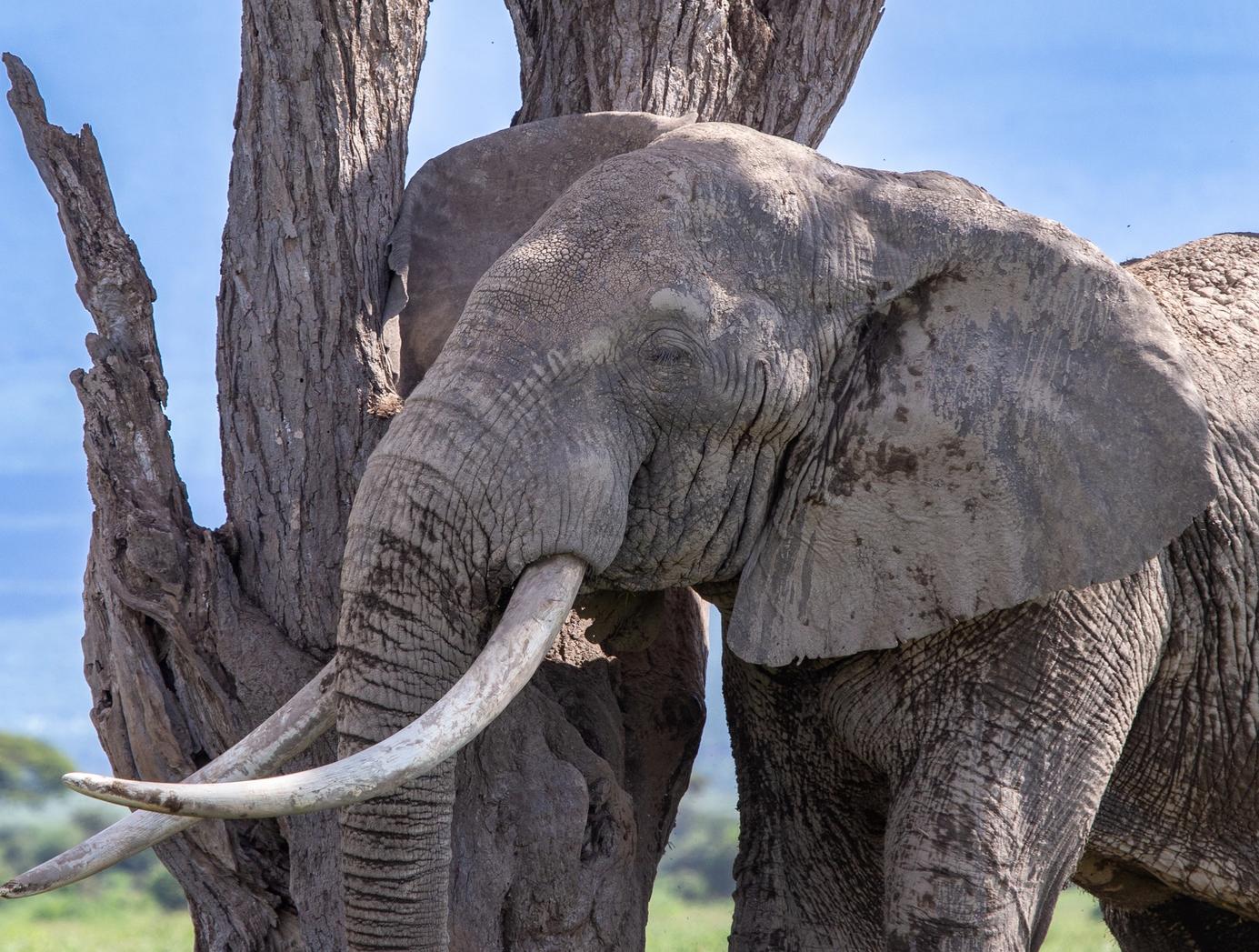
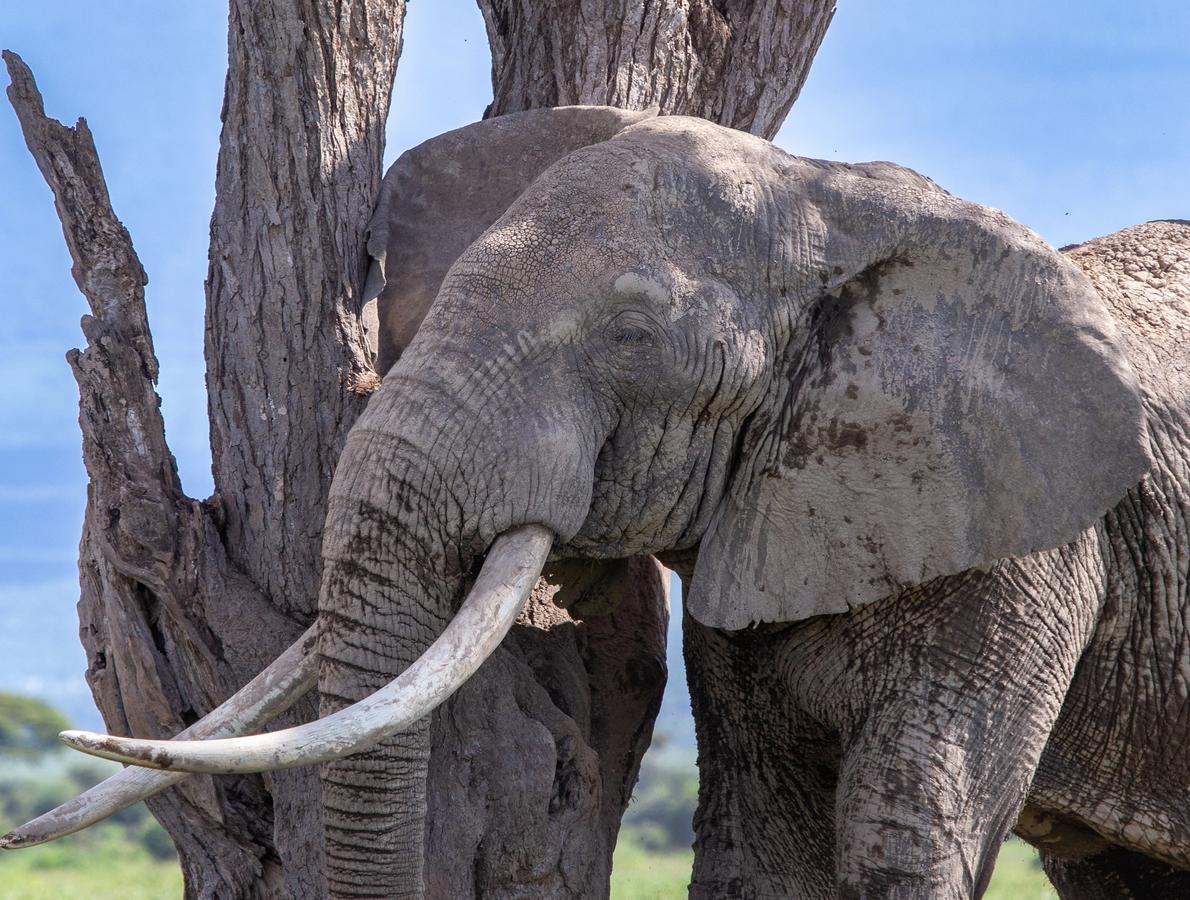
While every male follows a similar developmental arc, each individual navigates his path in a unique way. Age, condition, and social rank influence when a male comes into musth, how long it lasts, and how he interacts with others. The stories of three Amboseli males — Esau, Pascal and Craig — illustrate the spectrum of male life and strategy.
Allen CRB, Brent LJN, Motsentwa T. et al. 2020. Importance of old bulls: leaders and followers in collective movements of all-male groups in African savannah elephants (Loxodonta africana). Sci Rep. 10: 13996. https://doi.org/10.1038/s41598-020-70682-y
Croze H. 1972. The Seronera bull problem: I. The elephants. East African Wildlife Journal. 10:29–47.http://dx.doi.org/10.1111/j.1365-2028.1974.tb00104.x
The largest video and audio library of elephant behaviors.