
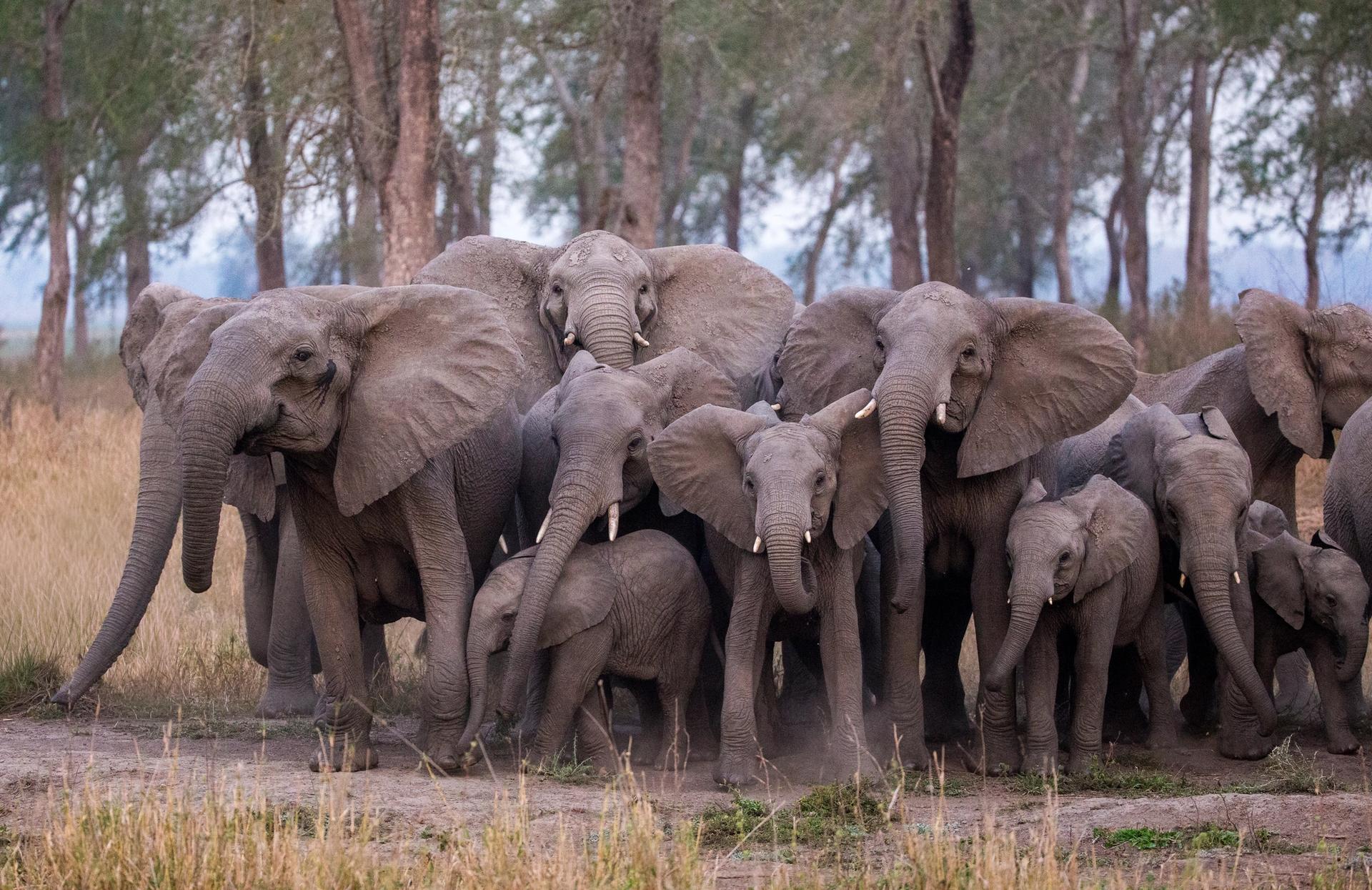
Human societies are shaped by history, environment, and shared experience. Increasingly, research suggests that elephant societies are shaped in similar ways. Across Africa, elephant populations living in different habitats and facing different human pressures can exhibit strikingly different behavioral patterns that cannot be explained by ecology alone. Instead, many appear to reflect social learning and the transmission of knowledge within families and across generations. In other words, elephants show evidence of having family traditions and culture.
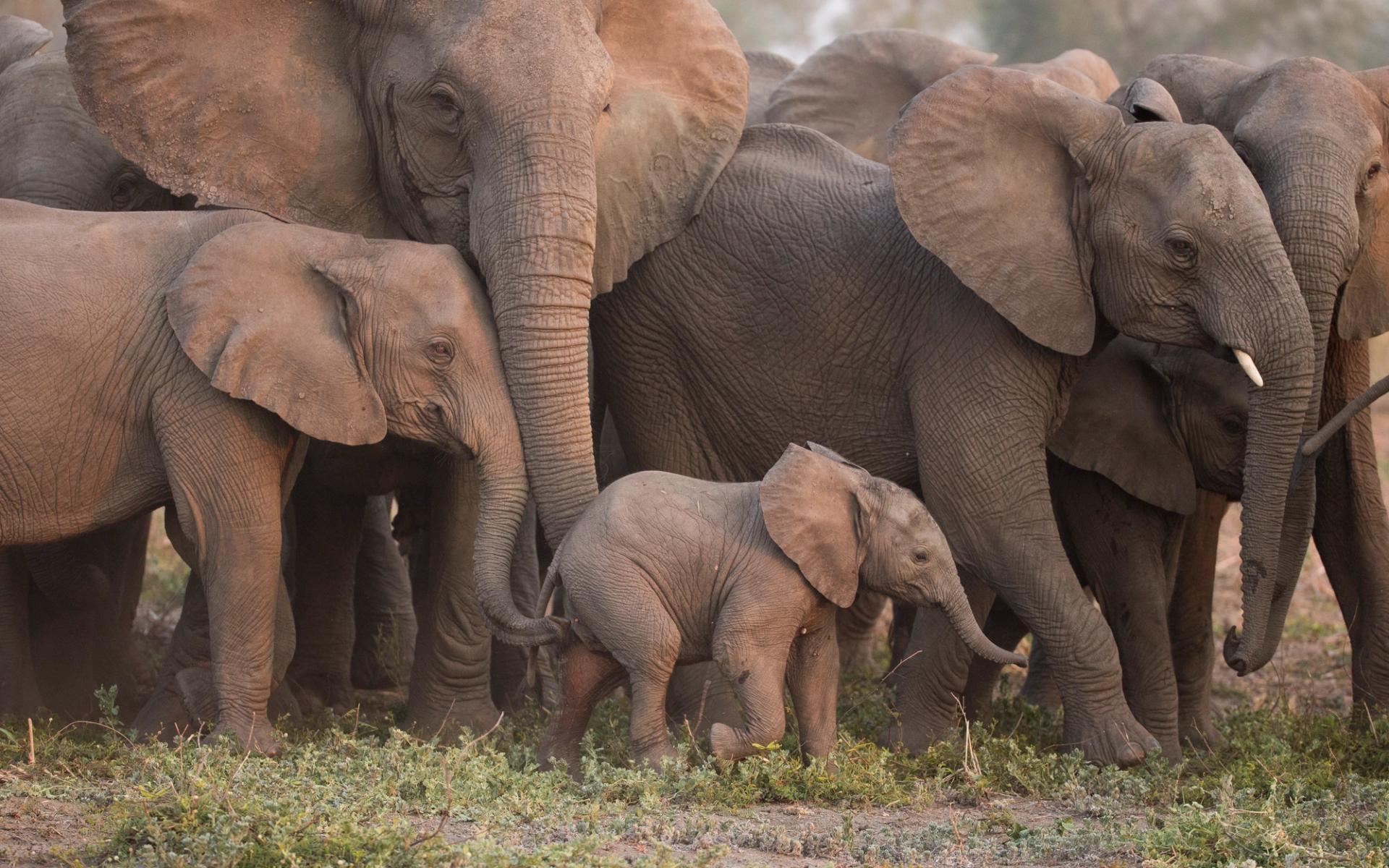
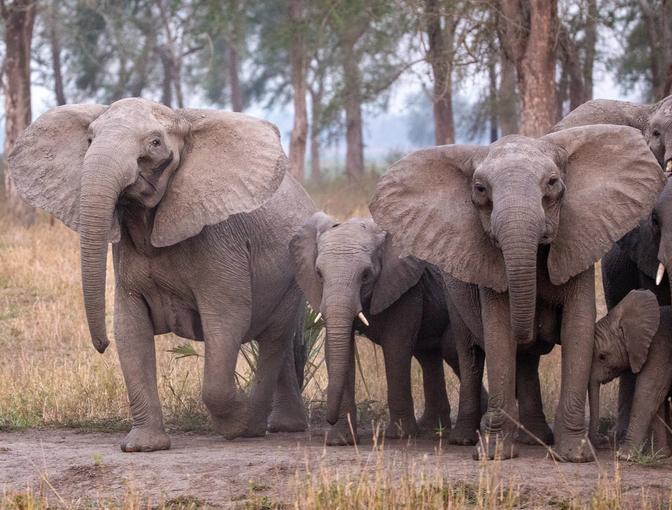
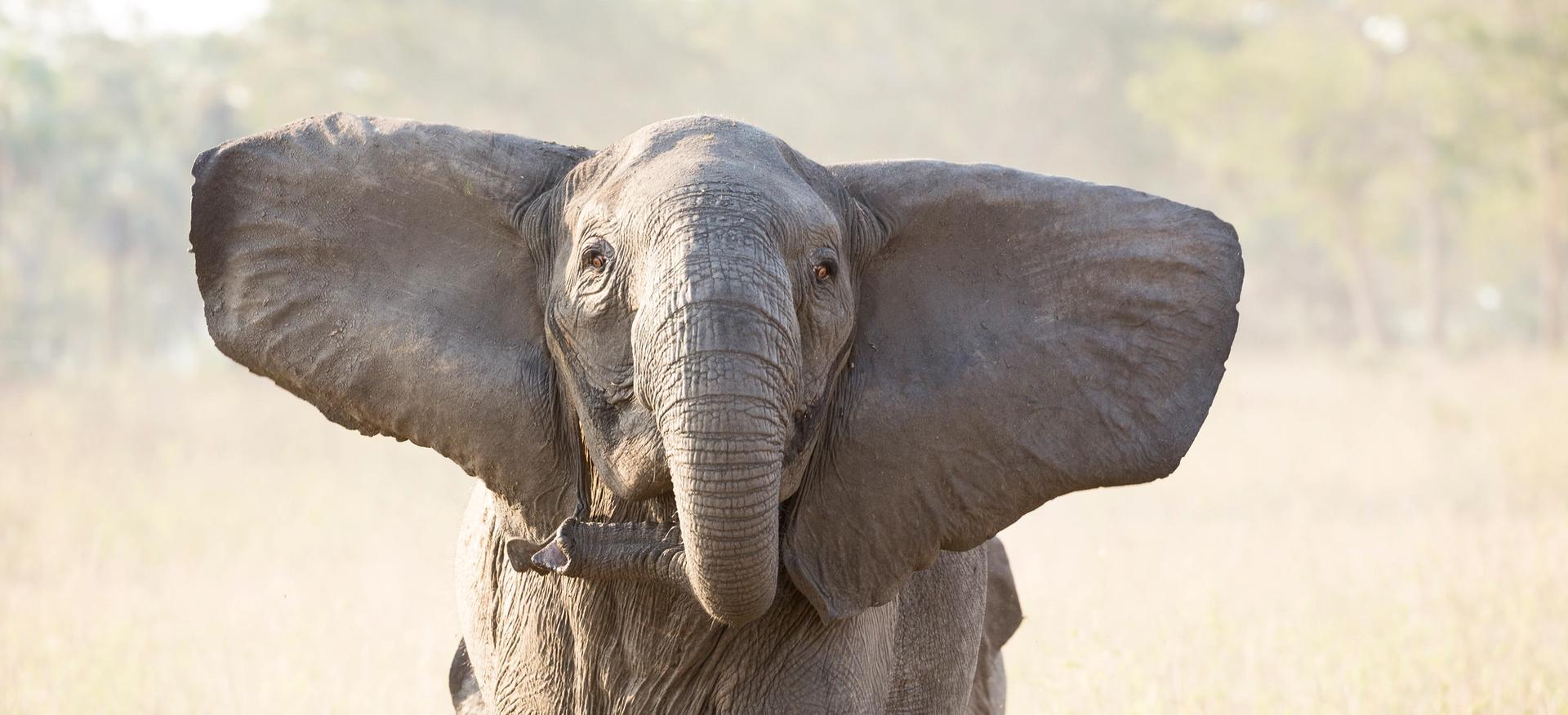
In Gorongosa, Stephanie and her bond group-charge our vehicle with their young in tow.
Interactions with humans provide some of the clearest examples of how elephant cultures can differ between populations. Humans have hunted elephants since the Palaeolithic, and elephants’ elaborate defensive strategies likely evolved partly in response to this long history of predation by a highly intelligent and cooperative hunter. In more recent centuries, however, technological advances have dramatically altered the scale of this relationship. Firearms, vehicles, and organized ivory hunting have allowed humans to kill elephants on a massive scale. In some regions, poaching and armed conflict have eliminated the vast majority of elephants within a single generation.
Such extreme events do not only reduce population numbers; they can also reshape behaviour. Research across several African elephant populations shows that survivors of intense persecution often exhibit heightened fear, aggression, and altered social dynamics. These patterns resemble symptoms associated with trauma in other mammals. Studies of wildlife more broadly suggest that intense predator-induced fear can produce lasting changes in behaviour and physiology, in some cases resembling post-traumatic stress disorder.
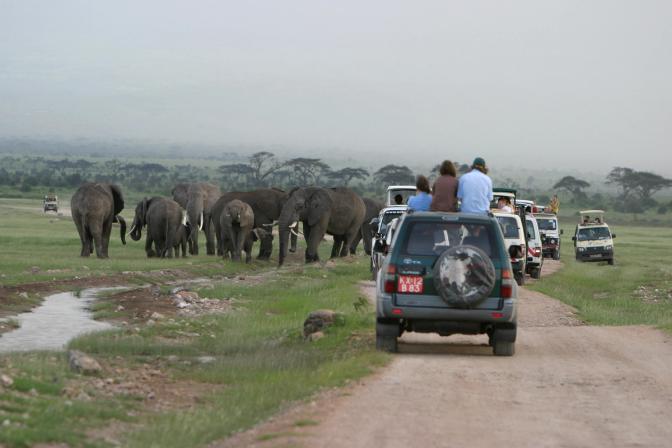
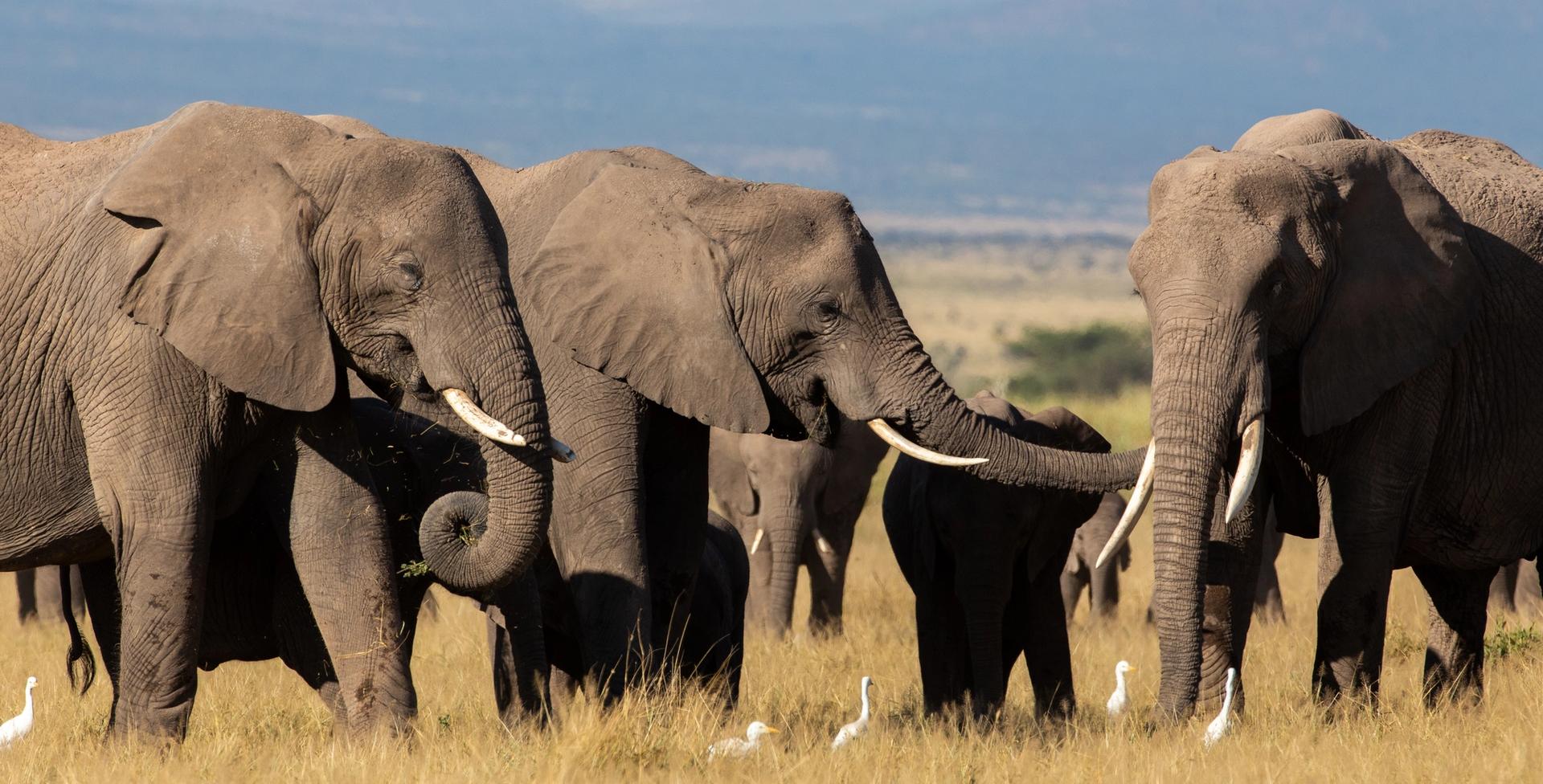
In Amboseli elephants are tolerant of tourist vehicles
Examples from across Africa illustrate how differently elephant populations can respond to people. In some heavily poached areas elephants flee from vehicles at great distances, while in others they cluster together tightly or seek refuge near human settlements. In relatively undisturbed populations such as those in Amboseli National Park, elephants are typically calm around tourist vehicles but react strongly to cues associated with people who historically posed a threat. Experiments have shown that elephants there can distinguish between different human voices and clothing styles, responding more cautiously to Maasai men — who traditionally speared elephants — than to women, children, or other ethnic groups.
Elephants also appear capable of learning when and where humans are dangerous. Satellite tracking studies in northern Kenya have shown that elephants move rapidly through risky areas at night and avoid places where encounters with people are likely. In some regions elephants alter their crop-raiding behaviour depending on moonlight and human activity, suggesting a sophisticated understanding of when they are most likely to be detected. Young elephants observe and learn these patterns from older individuals, gradually acquiring knowledge about how to navigate increasingly human-dominated landscapes.
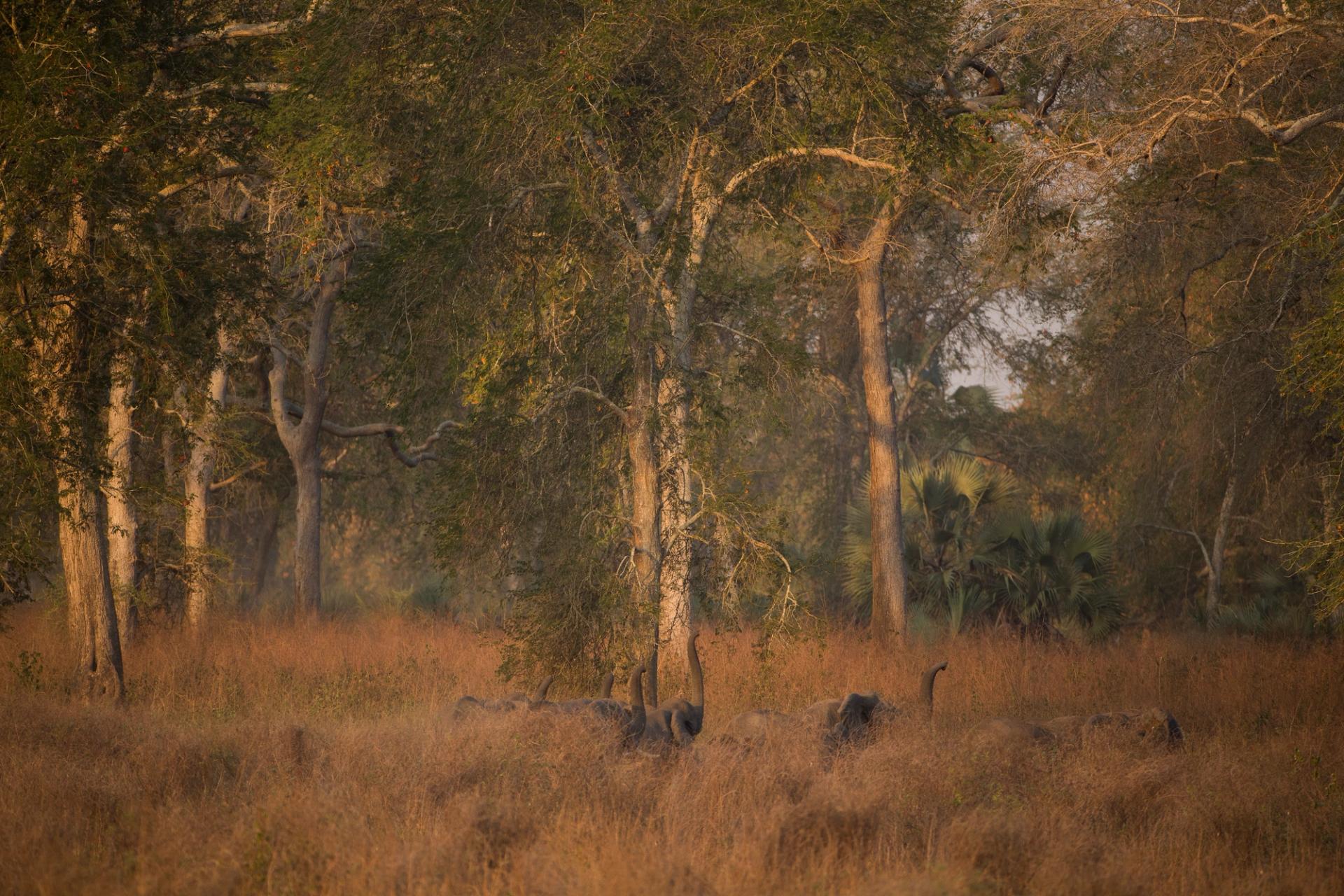
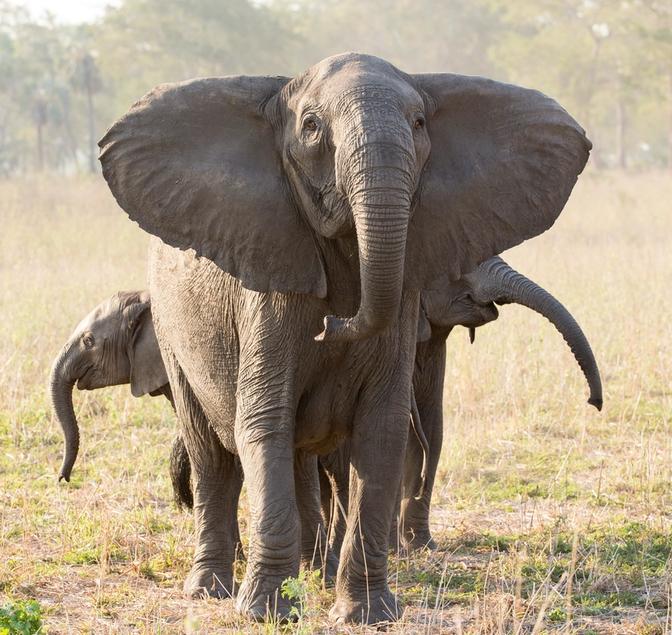
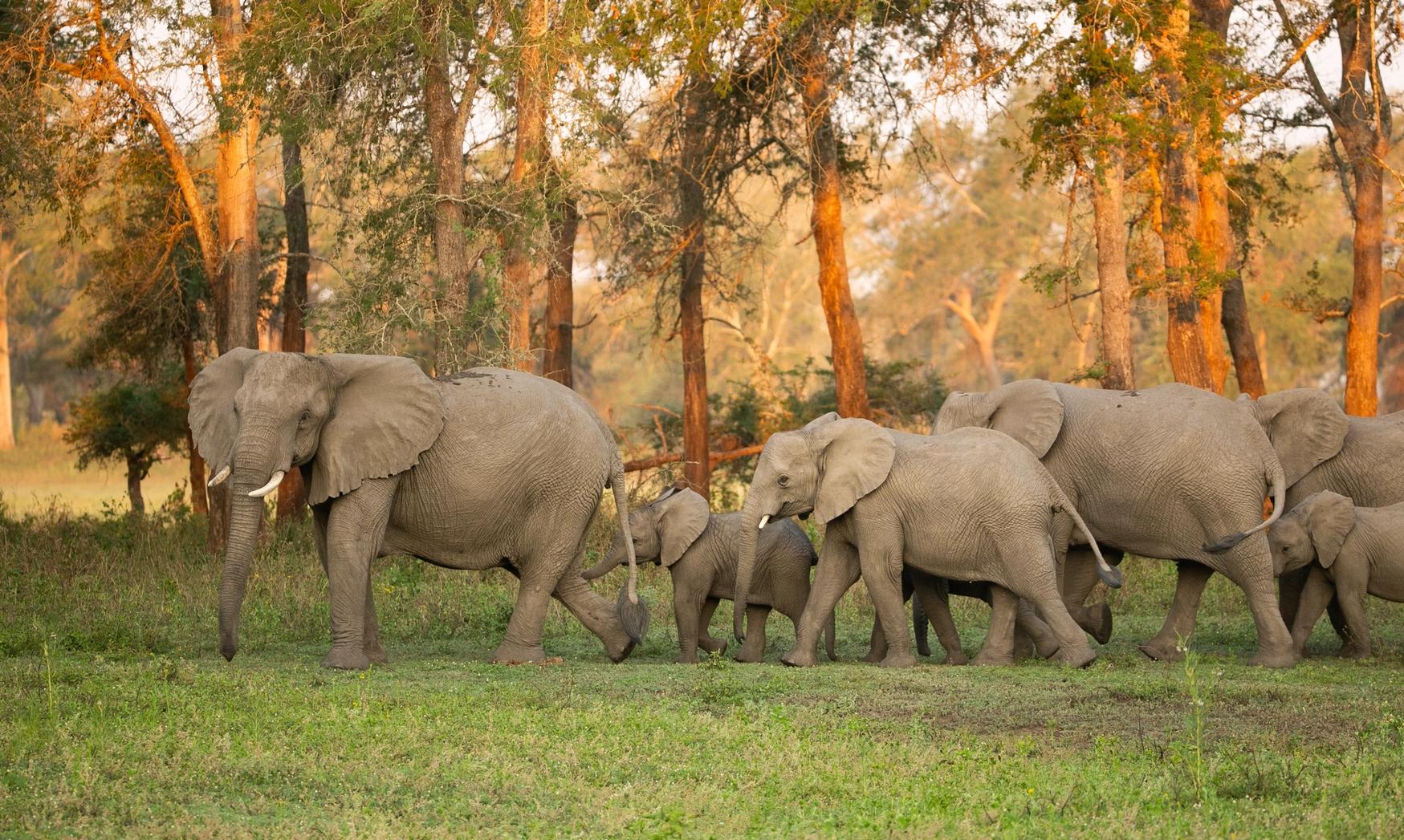
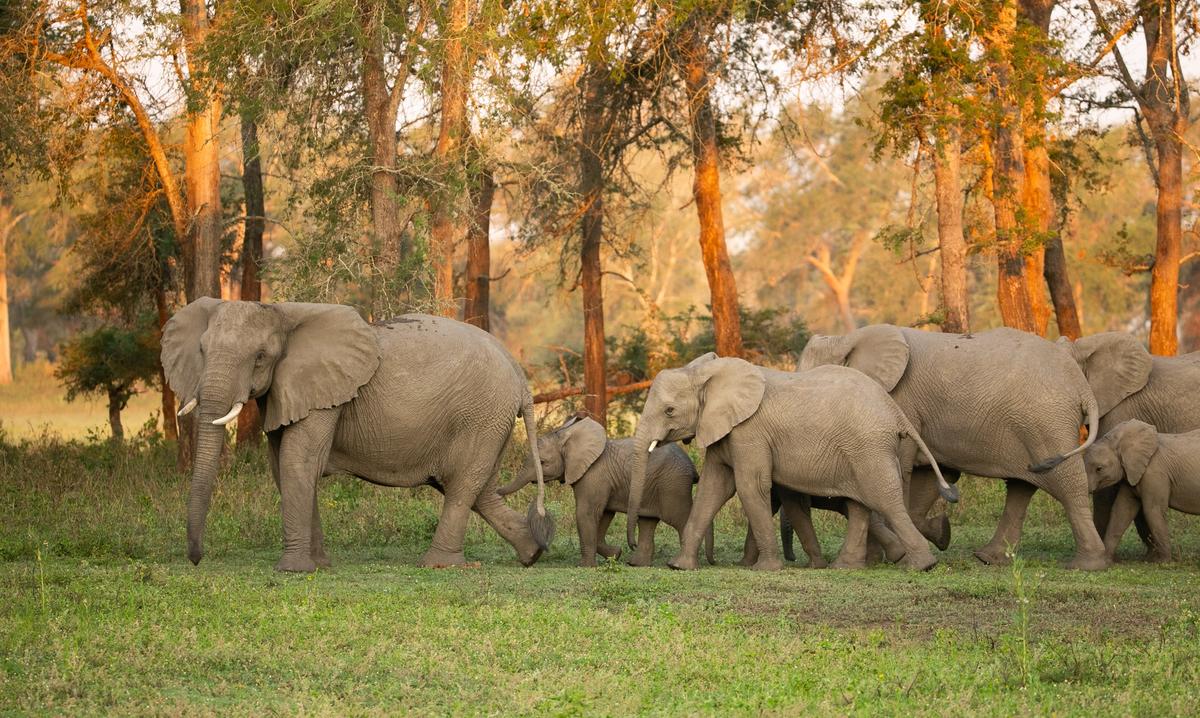
Gorongosa matriarch, iJunia, stands tall with her young offspring behind her.
The elephants of Gorongosa National Park in Mozambique provide a particularly powerful example of how extreme historical events can shape elephant behaviour and potentially create population-level cultural variants. Before the Mozambican civil war began in 1977, Gorongosa supported thousands of elephants and visitors described them as remarkably relaxed around vehicles. During the fifteen-year conflict, however, more than ninety percent of the population was killed for meat and ivory by opposing military forces.
When our research began decades later, the behavior of the surviving elephants had changed dramatically. Families frequently responded to vehicles with threat displays, charges, and coordinated mobbing behaviour. Older females often initiated these confrontations, but entire families — including calves — joined in. Some individuals exhibited distinctive defensive styles, while certain families developed coordinated group manoeuvres that appeared to be repeated over time.
These patterns suggested that aggression toward vehicles had become embedded in the social behaviour of the population. In many cases younger elephants appeared to acquire defensive responses within the context of family interactions, watching and participating as older females confronted vehicles. Calves and juveniles joined group charges, mirrored the vigilance behaviour of adults, and gradually adopted similar reactions as they matured.
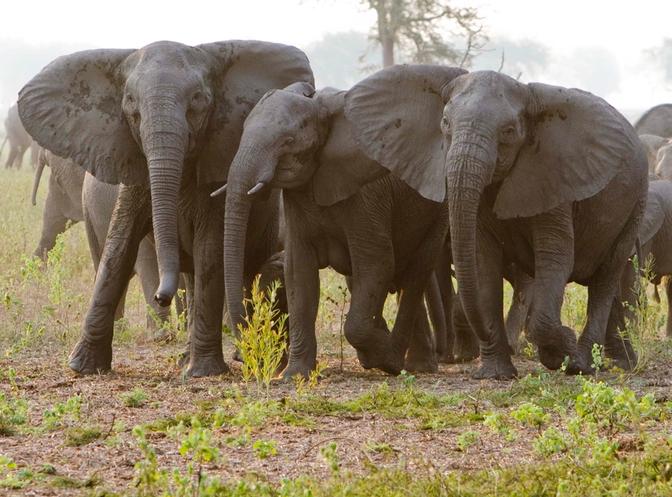
Gorongosa matriarch, iJunia and her daughters, bunch together in a defensive manoeuvre.
Importantly, elephant cultures are not fixed. As conditions change, behaviour can also change. In several populations elephants that were initially fearful or aggressive toward vehicles gradually became more tolerant once they learned that tourists no longer posed a threat. Similar processes may eventually occur in Gorongosa as tourism increases and elephants gain more opportunities to experience non-threatening encounters with people.
Recognizing the role of culture in elephant behaviour has important implications for conservation. Populations that share similar ecological conditions may nevertheless behave very differently because of their histories. Some may be highly tolerant of people, while others remain fearful or aggressive for generations after periods of intense persecution. These behavioural differences influence everything from human-elephant conflict to tourism and the effectiveness of management strategies.
As human activity continues to reshape landscapes across Africa, understanding how elephant societies learn, adapt, and transmit knowledge within their social networks will become increasingly important. Elephant cultures — formed through shared experience and social learning — may determine how populations respond to changing environments and whether they are able to coexist with people in the long term.
Agam A, Barkai R. 2018. Elephant and mammoth hunting during the Palaeolithic: a review of the relevant archaeological, ethnographic and ethno-historical records. Quaternary. 1(3). https://doi.org/10.3390/quat1010003
Bates LA, Sayialel KN, Njiraini NW, Poole JH, Moss CJ, Byrne RW. 2007. Elephants classify human ethnic groups by odour and garment colour. Curr Biol. https://doi.org/10.1016/j.cub.2007.09.060
Bates LA, Lee PC, Njiraini N, Poole JH, Sayialel K, Sayialel S, Moss CJ, Byrne RW. 2008. Do elephants show empathy? J Conscious Stud. 15(10–11):204–225.
Bates LA, Handford R, Lee PC, Njiraini N, Poole JH, Sayialel K, Sayialel S, Moss CJ, Byrne RW. 2010. Why do African elephants (Loxodonta africana) simulate oestrus? An analysis of longitudinal data. PLoS ONE. 5(4):e10052. https://doi.org/10.1371/journal.pone.0010052
The largest video and audio library of elephant behaviors.
Social Learning & Culture in Elephant Societies
Culture in animals is generally defined as behaviors or information shared within a group and acquired through social learning from other individuals rather than through genetics alone. In elephants, whose lives unfold within long-lasting family groups and complex social networks, opportunities for such learning are abundant. Individuals remain with their families for decades, young elephants grow up surrounded by older relatives, and knowledge is passed between generations through observation, imitation, and experience. Over time, distinctive behavioral patterns can emerge within families or populations. Some researchers describe persistent shared behaviors within a family as traditions, such as the usage of particular paths, foraging areas, or specific defensive strategies, while using the term culture for the broader array of patterns of behavior expressed across a population, such as the use of migration routes or the broad response of a population to humans.
Elephant societies are particularly well suited for the emergence of culture. Their close social bonds, long life spans, and reliance on experienced matriarchs create conditions in which knowledge can accumulate and spread. Studies in Amboseli and elsewhere have shown that elephants learn socially important information — such as how to respond to predators, how to navigate landscapes, or how to interact with humans — from older family members. Young elephants watch how experienced individuals react to events and gradually adopt similar responses. Through this process, populations may develop characteristic ways of behaving that persist across generations.