
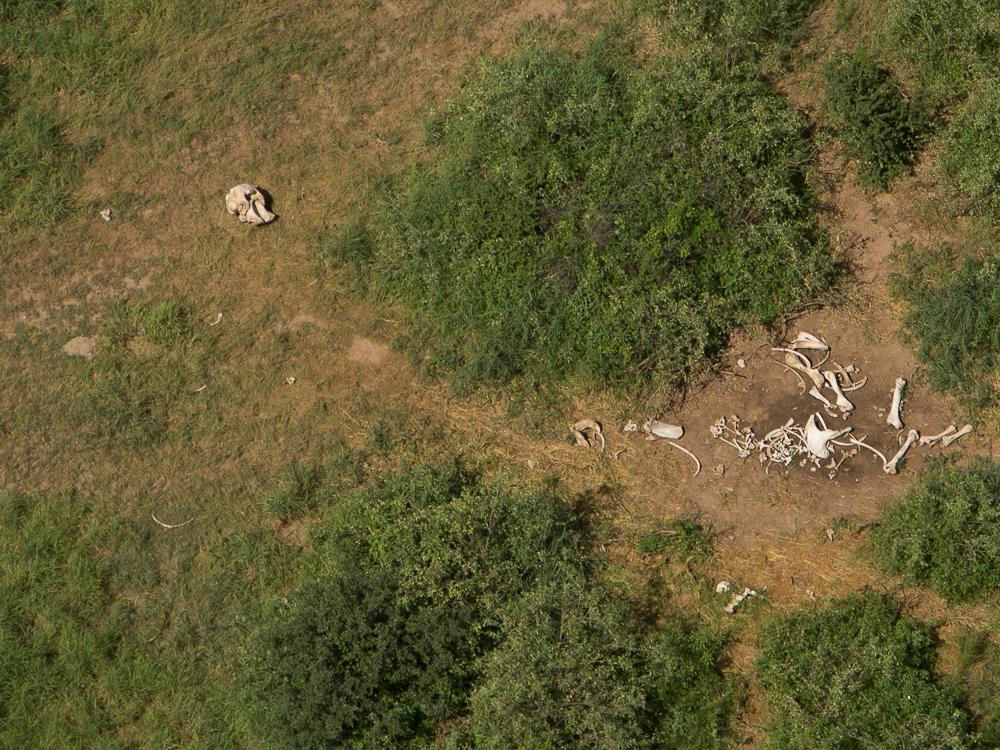
Since their origins some 60 million years ago, the order Proboscidea has included over 180 species across 10 families and 45 genera in a stunning variety of forms. Today, only two genera remain - the African elephants (Loxodonta africana and Loxodonta cyclotis) and the Asian elephant (Elephas maximus).
These three surviving species represent a tiny fraction of their former diversity and now occupy only fragments of their historical range. In many parts of Africa and Asia, elephants have already disappeared or are highly endangered. The threats to elephants include killing to supply the ivory trade, trophy hunting, habitat loss, conflict with humans over diminishing resources, climate change and capture for captivity.
On the IUCN Red List African Forest elephants (Loxodonta cyclotis) are listed as Critically Endangered, and African savanna elephants (L. africana) and Asian elephants (Elephas maximus) as Endangered. The declining status of the two African species is due primarily to habitat loss and poaching for ivory.
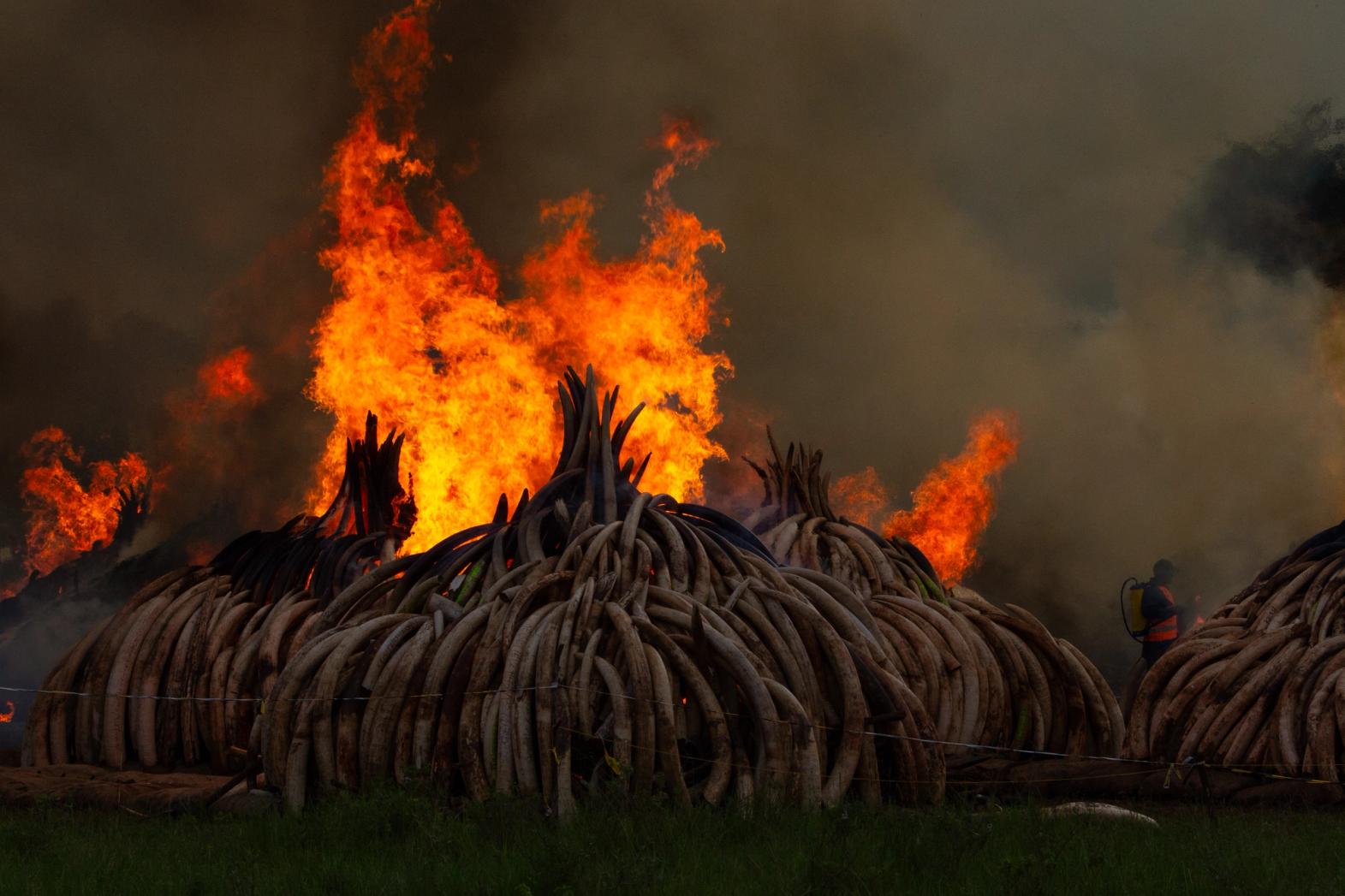
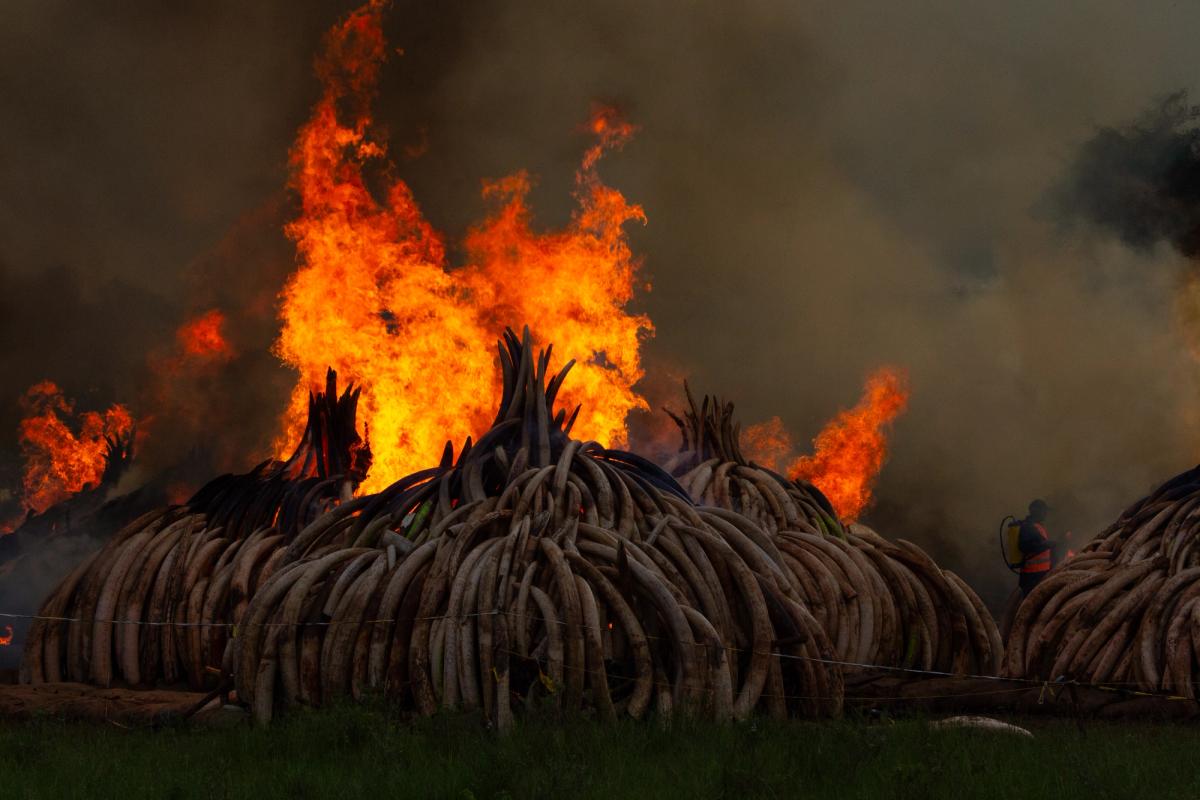
For centuries killing for ivory has devastated elephant populations and reshaped where and how they survive. Beyond the loss of individuals, poaching fractures families, alters genetics, and leaves lasting cultural scars on elephant societies. Learn more about the impact of the ivory trade.
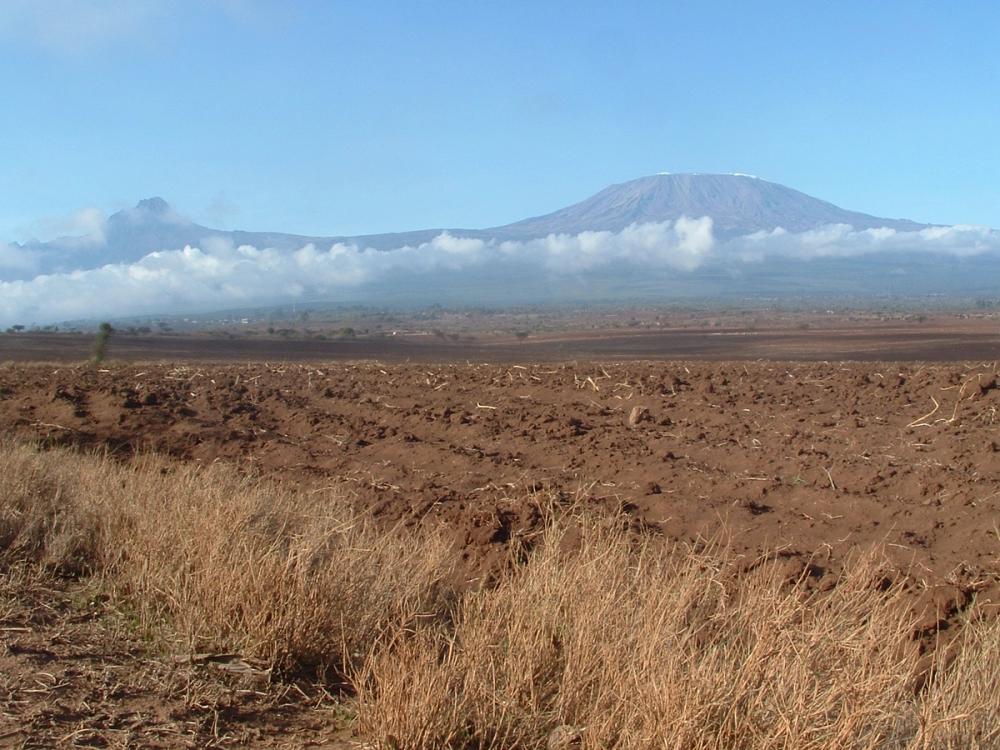
Habitat loss and fragmentation are shrinking elephant ranges and cutting off the movement corridors elephants need to survive, while climate change intensifies drought, scarcity, and stress. As elephants and people are forced into closer contact, lasting solutions depend on protecting connected landscapes and supporting communities in building compassionate, practical paths toward coexistence.
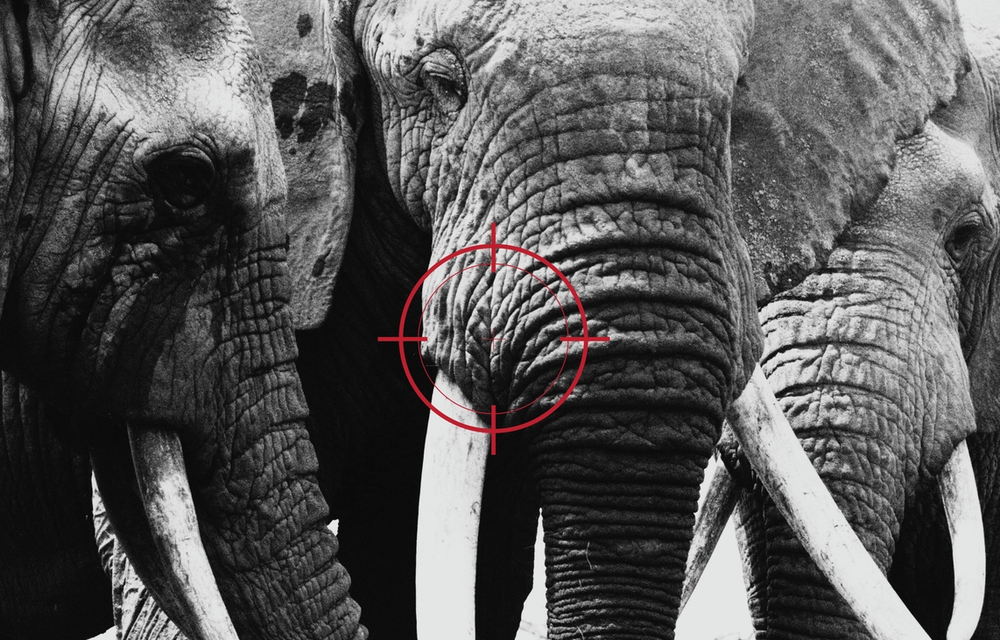
Trophy hunting targets older elephants with the largest tusks - the key breeders and social anchors of male elephant society. Removing these irreplaceable individuals disrupts social stability, reduces genetic diversity, and weakens populations. Protecting these irreplaceable males is essential for the future of elephant societies and conservation.
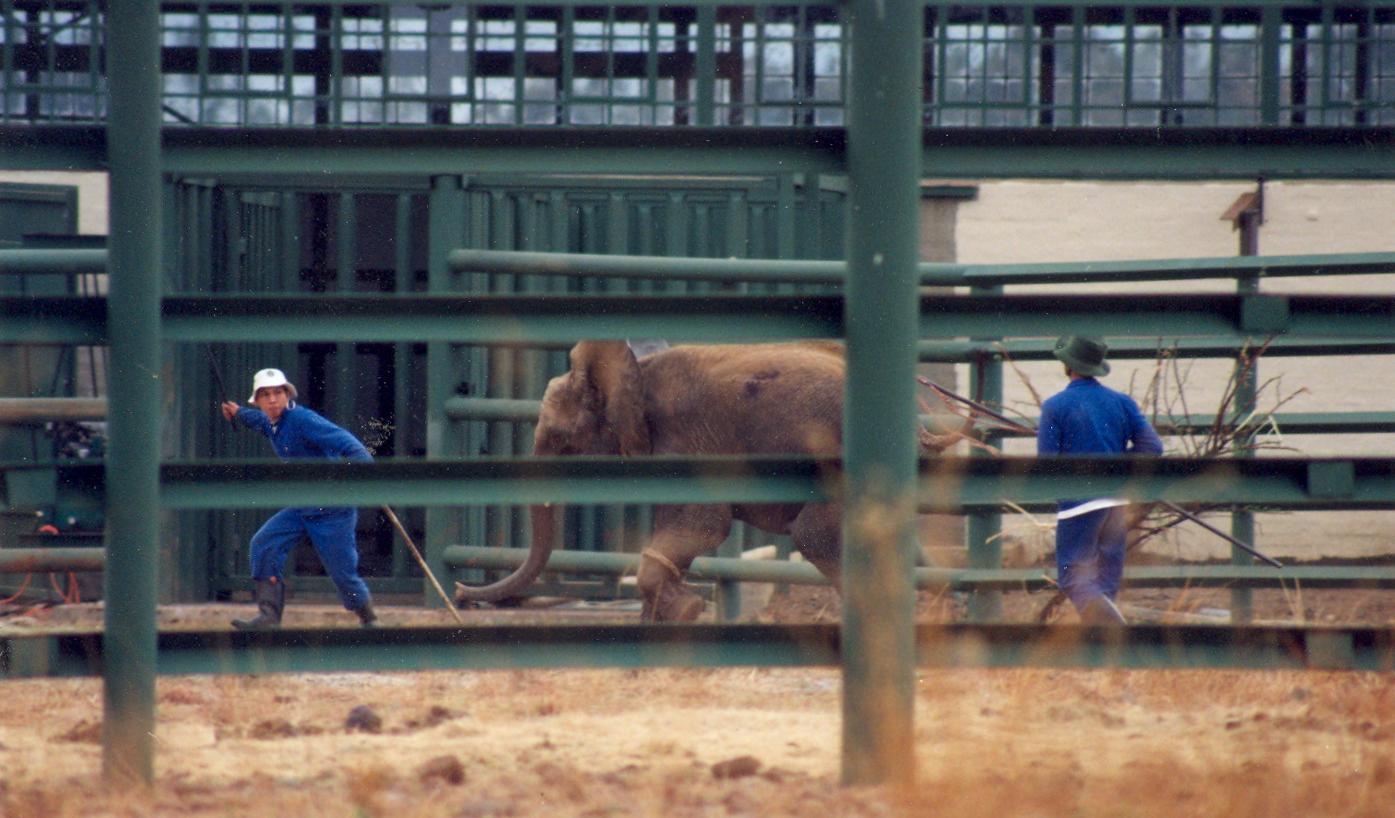
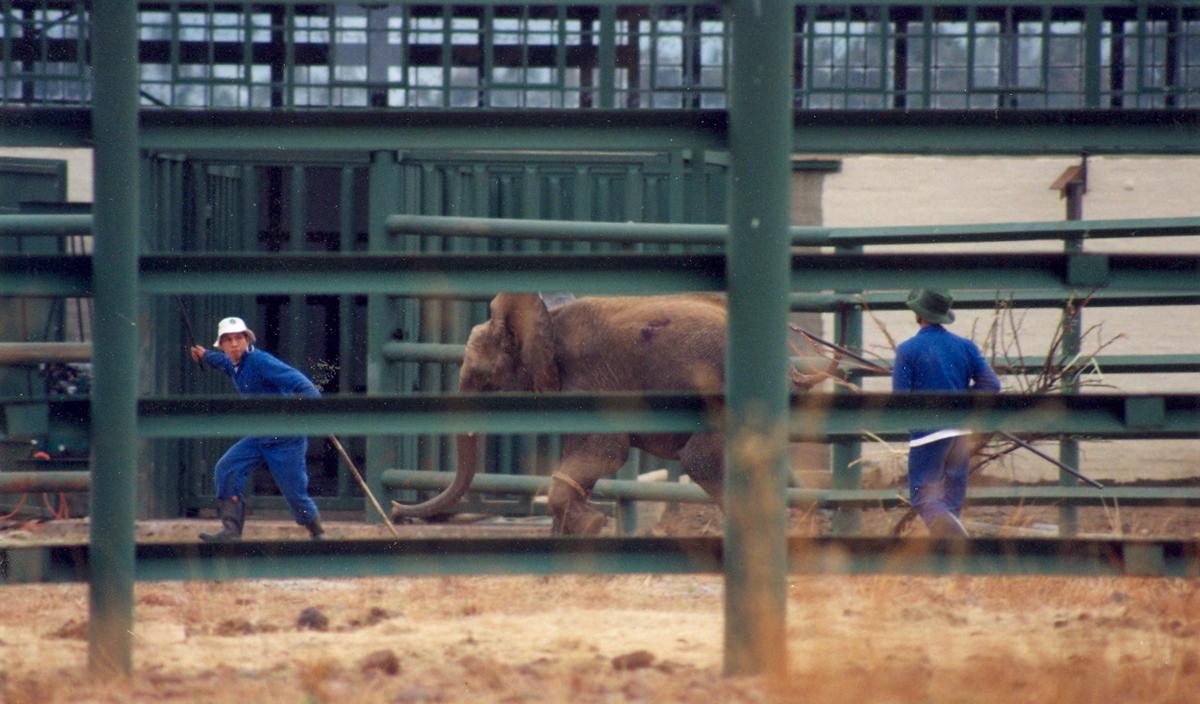
The capture of wild elephant calves for zoos, circuses, tourism, and entertainment is a traumatic practice that tears young elephants from their families and offers no conservation benefit. In an age when we understand elephants’ intelligence and emotional depth, removing them from the wild for a lifetime of confinement and deprivation is indefensible.
Iain Douglas-Hamilton
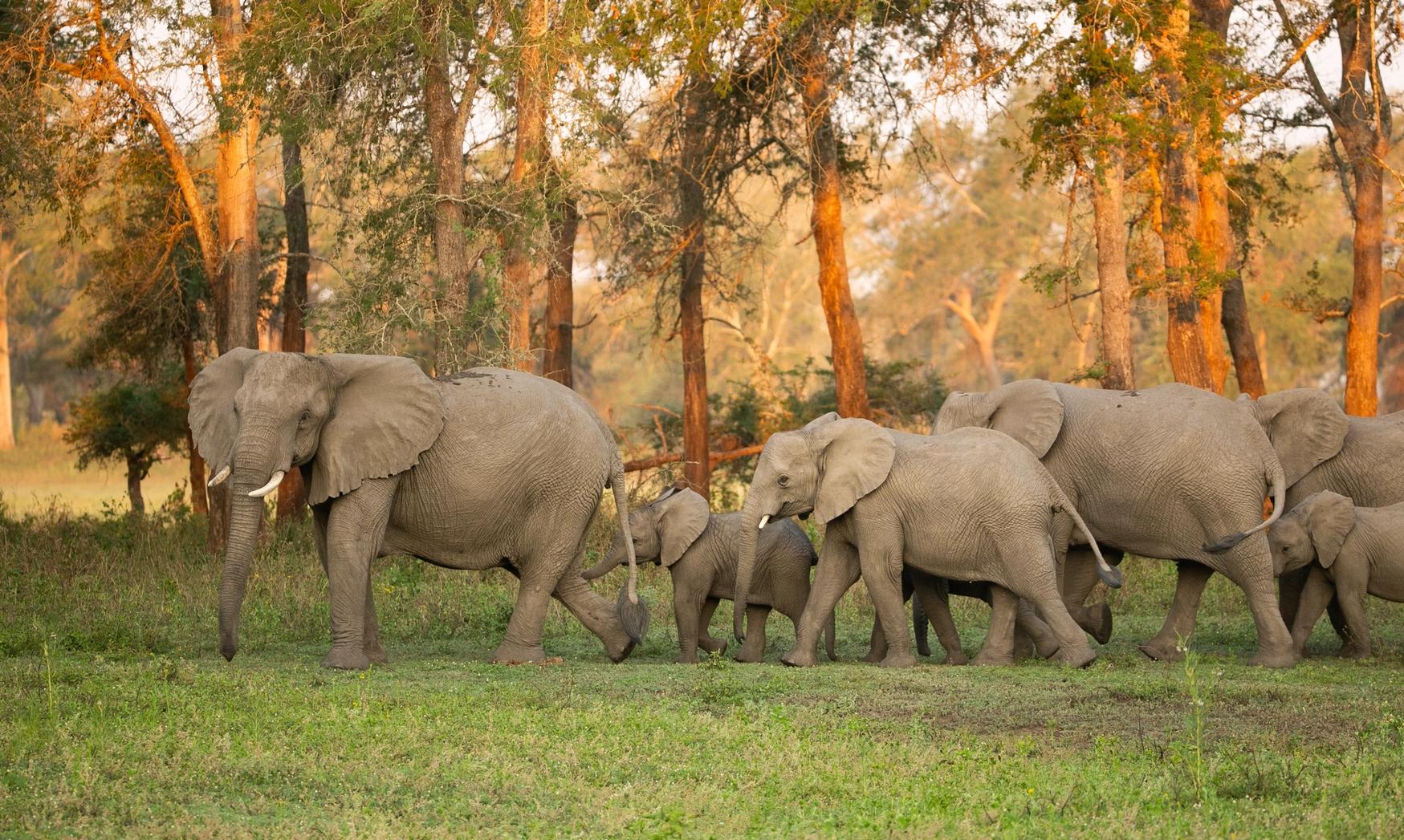
The largest video and audio library of elephant behaviors.