
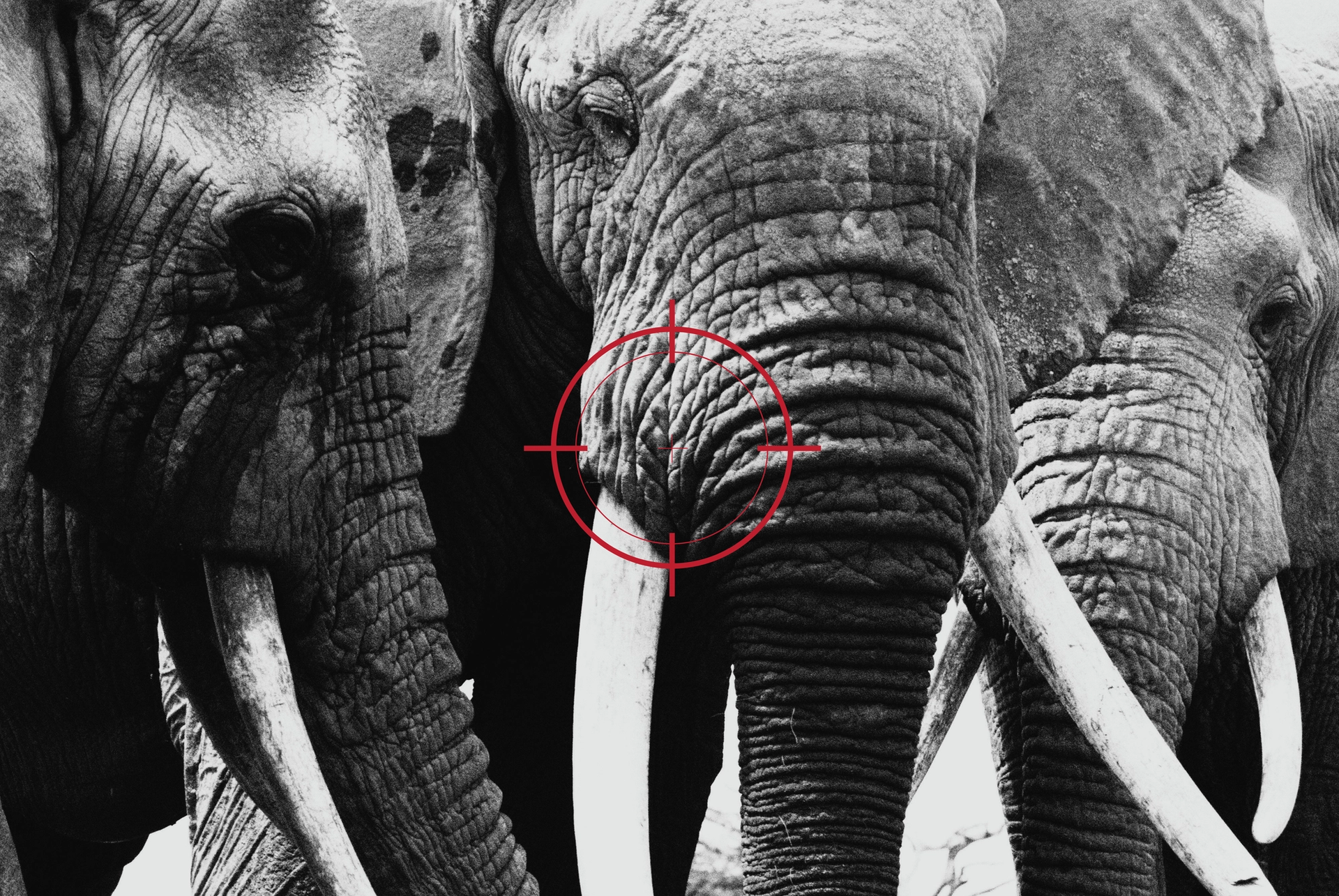
Trophy hunting removes the very individuals that societies depend upon most. By targeting mature males with the largest tusks, it selectively eliminates key breeders and social anchors of elephant populations. These older males shape the genetic diversity, social stability, and the transmission of knowledge. Their loss reverberates beyond a single life, disrupting male society, and undermining conservation efforts across borders.
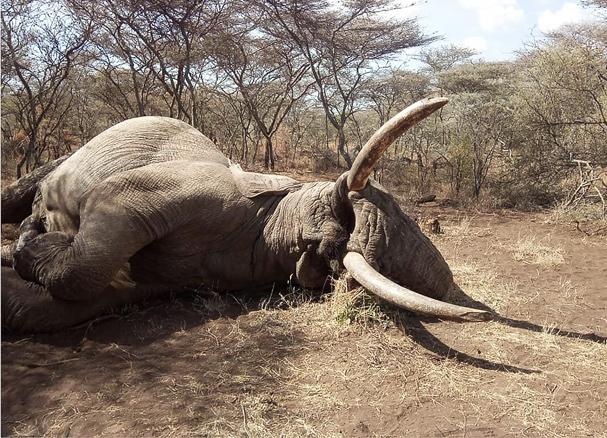
Gilgil, son of super-tusker, Dionysus, was shot by trophy hunters in Tanzania in 2023.
Trophy hunting disproportionately targets mature males with the largest tusks. Male elephants take more than 35 years to reach full physical maturity, and only then do they breed regularly. The very individuals sought by trophy hunters are essential breeders and the preferred mates of females.
Removing these prime breeders reduces genetic diversity and alters the age and social structure of male society. Older males guide younger bulls, coordinate group movements, provide models for appropriate social behaviour, and transmit essential social knowledge. When these key individuals are removed it deprives younger males of role models from whom to learn to navigate the landscape and learn social signals, potentially contributing to increased aggression and other abnormal behaviors.
Joyce Poole
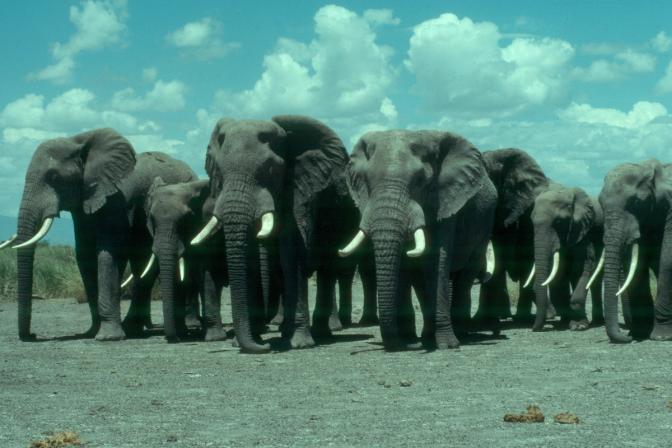
A group of male elephants in Amboseli, center and oldest among them is Sleepy, one of Joyce's study males, who was shot by trophy hunters in Tanzania in 1994
International conventions governing migratory species, biodiversity, and wildlife trade were established to protect species and maintain healthy populations, many of which span political boundaries. Yet, elephants do not recognise such boundaries, and many range across international borders where hunting regulations may differ.
Decisions to kill older, irreplaceable elephants through trophy hunting in one jurisdiction can undermine the ecological integrity of populations across international boundaries and far beyond the area where the hunt occurs.
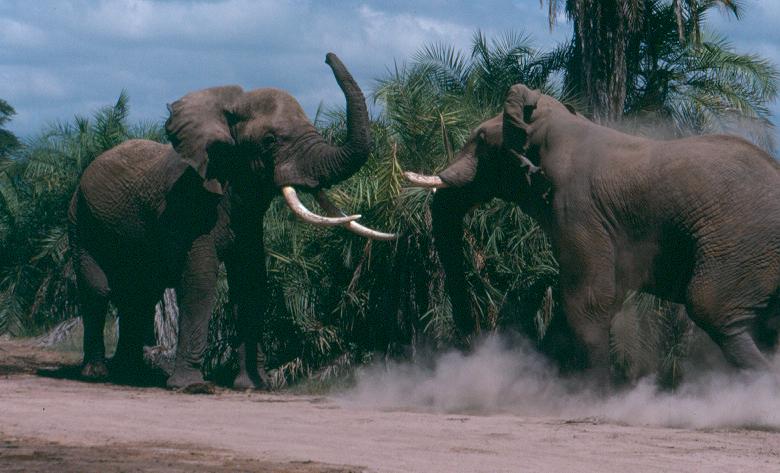
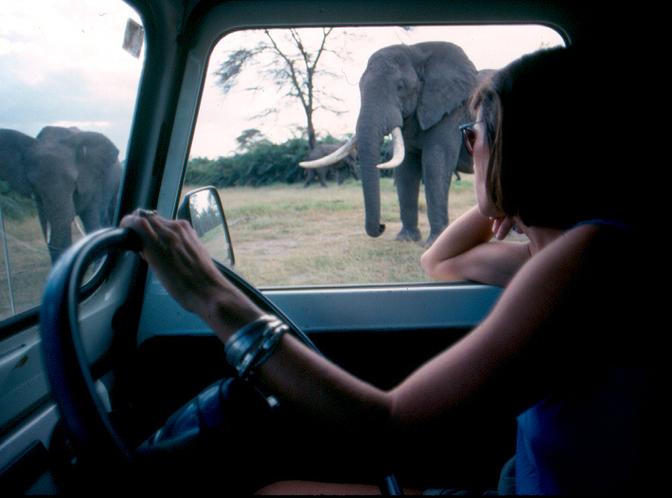
Dionysus & Joyce in 1989. He lived to the age of 63 & died of natural causes in 2003, estimating to have fathered at least 51 offspring. One of them, Gilgil, was shot by trophy hunters in Tanzania in 2023 just as he entered his prime.
Trophy hunting has often targeted older elephants who are calm around people — individuals who, through decades of peaceful coexistence with researchers, tourists, or local communities, have learned that humans pose no threat. For example, in Amboseli well-known, long-studied bulls — habituated to vehicles and unfazed by tourists or researchers — are especially easy targets when they cross the international boundary where hunting is permitted. Their loss to a hunters bullet is therefore not only biologically damaging but scientifically and economically costly.
Joyce Poole
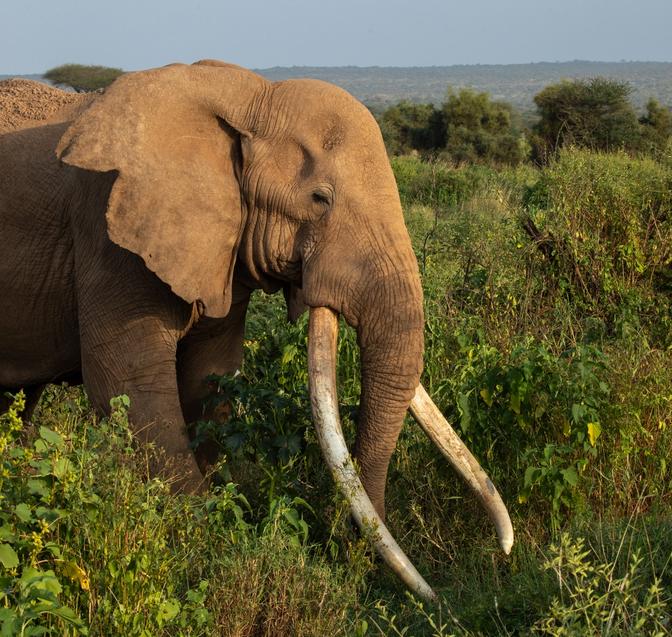
The value of these long-lived, socially influential elephant males is immeasurable. Alive, they support the genetic health, knowledge, and stability of their populations, contribute to thriving tourism industries, and inspire people across the world. Once killed, their ecological, social, cultural and scientific contributions end. In species defined by long lives, memory, and social continuity, the loss of an elder represents the loss of accumulated knowledge.
Read our Letter to Science, Stop Elephant Hunting in the Borderlands
The largest video and audio library of elephant behaviors.