
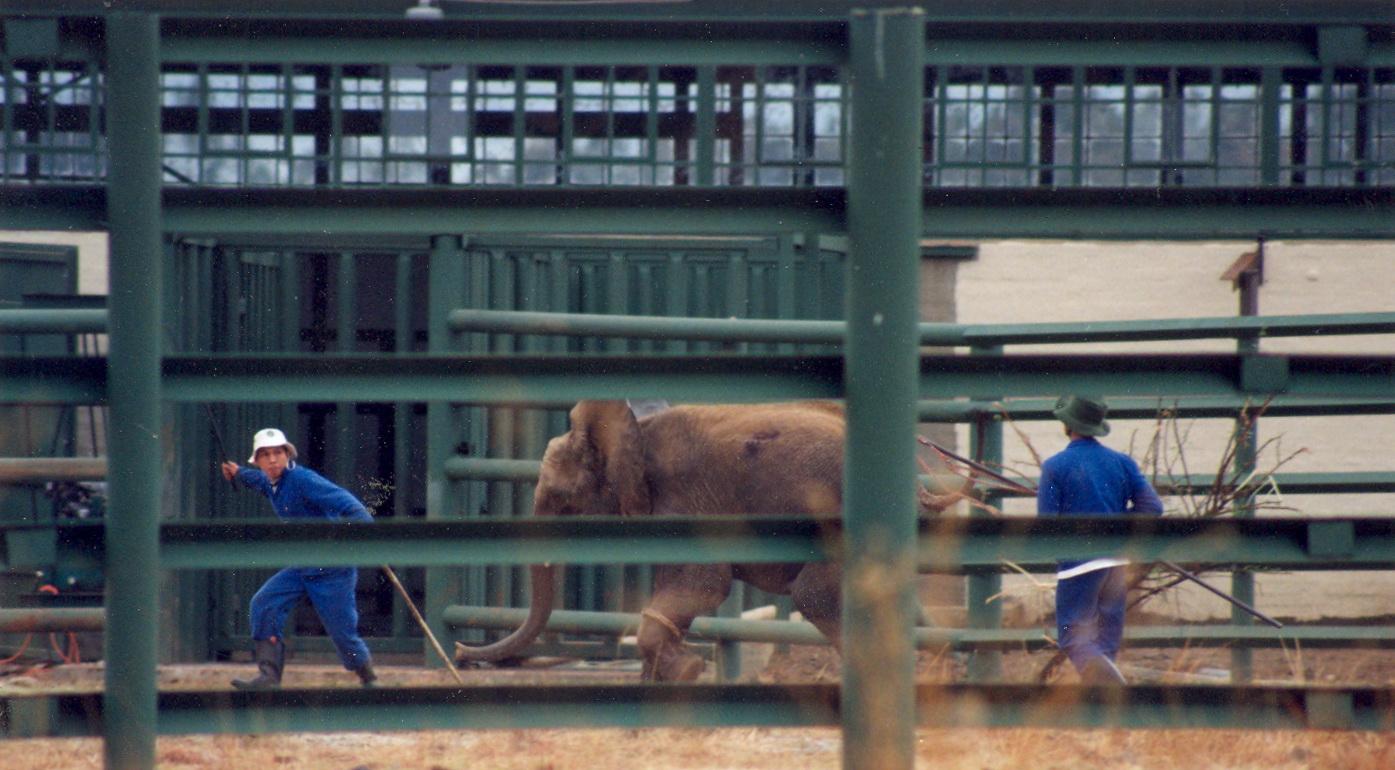
The capture of wild elephant calves for zoos, circuses, tourist camps, and entertainment is one of the more brutal and harmful practices elephants face today. No credible standard can claim that tearing infants from their families “minimizes the risk of injury, damage to health or cruel treatment,” conditions required by the Convention on International Trade in Endangered Species (CITES) Article IV(2)(c) for the Management Authority of a country to issue an export permit.
Holding elephants captive offers no conservation benefit — a point made clear by the African Elephant Specialist Group of the IUCN, which does not endorse removing wild elephants for any captive use.
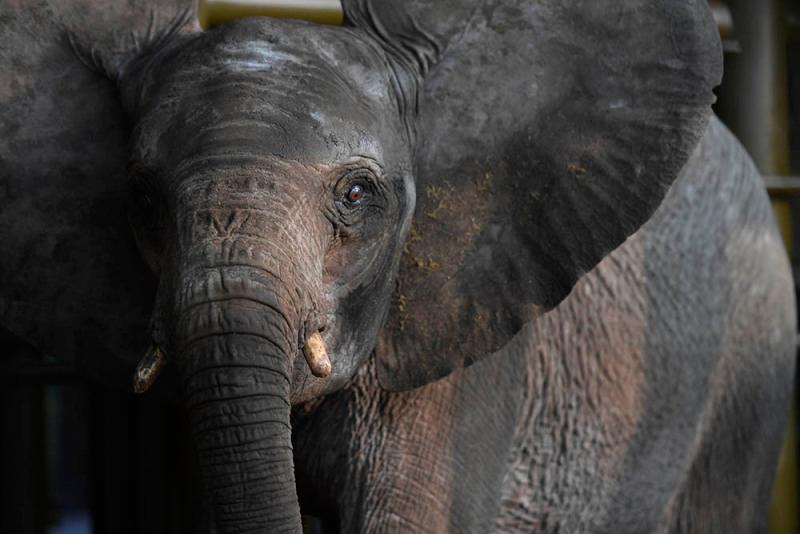
Elephants targeted for capture are often only 2-3 years old, still nursing and completely dependent on their families. Their removal is violent and traumatic: mothers and relatives fight desperately to protect them as their babies roar in protest.
Once taken, calves face a lifetime of deprivation. Scientific studies consistently show that elephants fare poorly in captivity. They suffer from chronic foot and joint disease, obesity, infertility, infectious illnesses, stillbirths, and severe psychological stress. Most die decades earlier than wild elephants.
Many calves are “tamed” through force and domination and used in circuses, tourist rides, marketing stunts, temple ceremonies, parades, or kept in barren zoo enclosures. They may spend hours chained, transported long distances in cramped trucks, and controlled with pain-inflicting tools like bullhooks. Their lives bear no resemblance to the rich social and spatial freedom they would have enjoyed in the wild.
The capture and export of wild calves add layer upon layer of suffering - trauma at capture, stress during transport, and lifelong confinement and control. In an age of profound understanding of elephant intelligence and emotion, and with humane alternatives available, this practice is both unnecessary and indefensible and fundamentally violates the spirit and intent of the CITES Convention.
The relationship between elephants and people is, and has been, extraordinary. Elephants have an important place in the history, religion and culture of many countries, especially in Asia.
People began capturing and taming elephants in the Indus Valley more than 4,000 years ago, and have continued to work with them ever since. By 1400 BC their enormous size and power was harnessed on the battlefield as recorded in Thai history. In 326 BC, Porus, Emperor of India, faced Alexander the Great with 85 elephants at the Battle of Hydaspes. Hannibal famously crossed Spain, France and the Alps with 34 African elephants in 218 BC, although most perished. Elephants also fought for the Khmer Empire in Cambodia between 800 and 1600 AD, and in the late 1800s Belgian King Leopold II captured and trained African elephants.
The strength and intelligence of elephants have also been used by people in major construction projects. For example, elephants helped build Sri Lanka’s extensive and intricate irrigation system.
Long-term studies of wild elephants reveal how profoundly they depend on vast, complex ecosystems and rich social networks. Elephants thrive when they can make choices, travel long distances, and interact within extended family groups. These fundamental needs cannot be met in traditional zoo environments. In captivity, most elephants are kept in climates wholly unsuitable for them, provided with only a fraction of the space they would naturally roam, and frequently separated from their relatives and lifelong companions. Many also endure invasive reproductive procedures, chains, and forms of physical control and discipline that undermine their wellbeing.
The consequences are obvious and well-documented. Foot and weight-related diseases, arthritis, infertility, stillbirths, infanticide, heightened aggression, and stereotypic behaviors such as swaying, pacing, and head-bobbing are widespread in zoos. These physical and psychological disorders offer unmistakable evidence that the needs of elephants are not being met. The suffering experienced by many captive elephants is unnecessary and unacceptable, and there is growing public and scientific pressure for zoos to adopt radically different standards of care.
Some zoos have taken steps toward improvement, replacing outdated exhibits with larger enclosures encompassing several acres. While such efforts represent progress, they fall dramatically short of what elephants require. As we outlined in our chapter, Poole, J & Granli, P. 2008. Mind and Movement: Meeting the Interests of Elephants. (2.19 MB), elephants need space on the scale of square kilometers, not square meters. Only large, naturalistic landscapes can support the autonomy, movement, social choice, and cognitive stimulation essential to an elephant’s wellbeing.
In response to welfare concerns, a growing number of zoos in the United States, Europe, and South America have chosen to phase out the keeping of elephants altogether. This reflects a shifting public ethic: more and more people recognize that elephants cannot live fully or humanely in small, artificial enclosures.
Tragically, though, there is intense demand for elephants to fill the new zoos of the Middle East and China and some African nations have been eager to fill their orders with wild-caught baby elephants. Welfare issues involving the hundreds of calves exported to these zoos are tragically beginning to emerge in the press and on social media.
Having personally appealed in 2013 in Shenzhen to over 50 Directors of Chinese Zoos not to import baby elephants and having written letters to the Zimbabwean and Namibian authorities against capturing and exporting baby elephants, we feel particularly aggrieved by the callous behavior of those responsible.
Mahatma Gandhi
Elephants used in entertainment endure conditions that are fundamentally incompatible with their physical, social, and cognitive needs. Whether in circuses, television, film, advertising, or live promotional events, their welfare is routinely sacrificed in the name of performance and profit.
In circuses and commercial shows, calves are often torn from their mothers at a young age to undergo intensive, coercive training often using bullhooks, whips and tight tethering. Throughout their lives, many elephants are confined to small pens or kept on chains, transported long distances in cramped trucks or boxcars, and frequently separated from companions. Such conditions bear no resemblance to an elephant’s natural life and lead to profound psychological and physical harm.
Training methods rely on dominance and fear. To force elephants to perform unnatural and difficult behaviors, handlers commonly use the bullhook — a steel-tipped device used to strike, prod, and “guide.” Even its presence is enough to control an elephant who remembers the pain it can inflict. Under this regime, elephants have no autonomy, sometimes being trained even to defecate on command.
The glitter, music, and costumes of circus acts and shows mask a grim reality. The behaviors performed are not expressions of joy but the result of lifelong emotional and physical coercion.
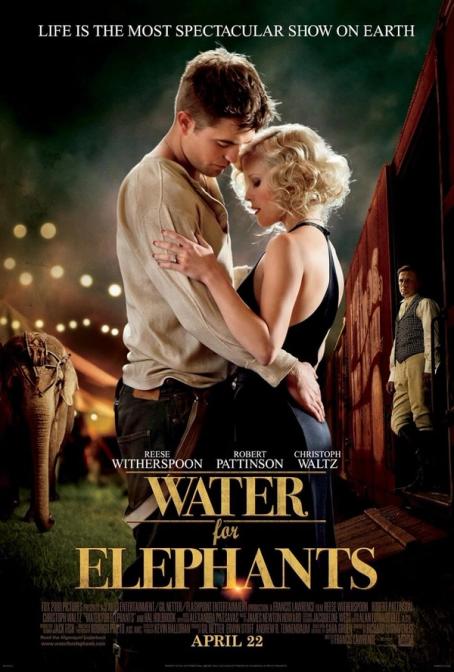
The 2011 film Water for Elephants used a real Asian elephant named Tai to play the role of Rosie.
The use of elephants in film, TV, and marketing follows the same pattern. Despite what we now know about their intelligence, social lives, and suffering in captivity, elephants continue to be exploited for commercial imagery and spectacle — appearing in movies, roadside attractions, Vegas shows, and publicity stunts. Many of these individuals come from the circus industry and face the same hardships of confinement, transport, and forced performance.
Yet humane alternatives exist. Advances in CGI, VFX, and animatronics make it possible to create realistic elephants on screen without harming live animals. Visionary filmmakers — including Darren Aronofsky in Noah — have demonstrated that compelling stories can be told without exploiting animals. In response to public pressure and ethical concerns, most major Hollywood productions have already shifted away from using live elephants.
Unfortunately, this progress has not been universal. The use of live elephants in entertainment continues in parts of Asia and in various commercial events worldwide, where welfare standards remain poor and oversight lacking.
Forcing elephants to perform unnatural acts for amusement or marketing is outdated, unethical, and unnecessary. When modern technology can create stunning, lifelike animal portrayals without suffering, there is simply no justification for continuing these harmful practices.
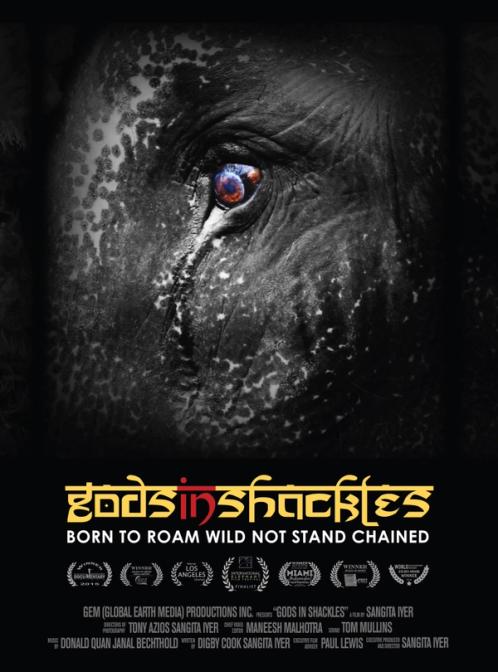
Sangita Iyer is one of the world’s leading advocates for India’s elephants. She created this film after personally witnessing the severe mistreatment of elephants used in cultural and religious practices in Kerala.
The use of elephants in tourism has grown into a global industry. Elephant-back safaris, elephant polo and football, painting demonstrations, elephant orchestration and other performances, so-called “orphanages,” and even elephant begging have become popular attractions for travelers. While some facilities aim to provide care and income for elephants in need, many others are exploitative and hide deeply cruel practices behind carefully crafted tourist experiences.
Elephant-back safaris are among the most harmful. Their popularity in Asia has created pressure to expand the practice into Africa, where countries such as South Africa, Botswana, and Zimbabwe have supported “elephant industries” dependent on captured wild elephants. Many of these individuals were violently torn from their families and subjected to brutal training methods designed to break their independence. To ensure that elephants obey commands when carrying tourists, mahouts often rely on fear, isolation, and punishment. Calves may be chained, beaten, or deprived of social contact — methods rooted in domination rather than care.
Before booking any elephant-related activity, it is important to consider what your participation supports. South Africa has now outlawed the capture of wild elephants, but elephant rides, “walking with elephants,” and petting encounters still continue there and in other countries, often perpetuating the same underlying cruelty.
There are, however, dedicated individuals and organizations striving to offer former working elephants a more humane life. Sanctuaries and reserves — primarily in Asia but increasingly in Africa as exploitation spreads — provide space, companionship, and care for elephants retired from tourism or labor. The need for such refuges will only grow as awareness increases and more elephants are released from harmful industries.
The largest video and audio library of elephant behaviors.