
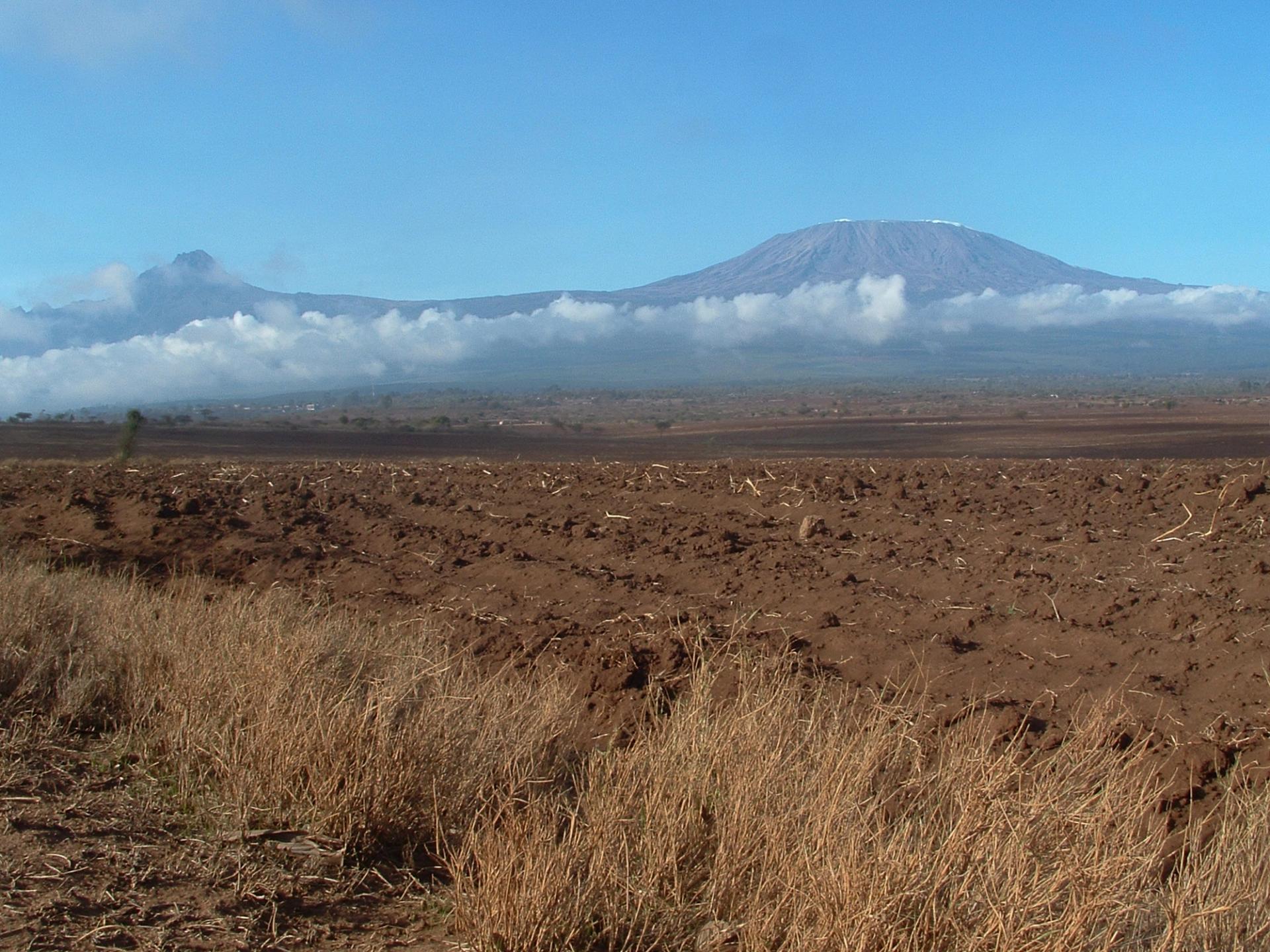
Across Africa and Asia, expanding farms, roads, settlements, and climate-driven environmental change are fragmenting habitats and severing ancient elephant migration routes. The result is isolated populations, rising human-elephant conflict, and mounting pressure on both communities and elephants. Securing a future for elephants now depends on restoring connectivity, supporting the people who live alongside them, and reimagining coexistence in an increasingly human-dominated world.
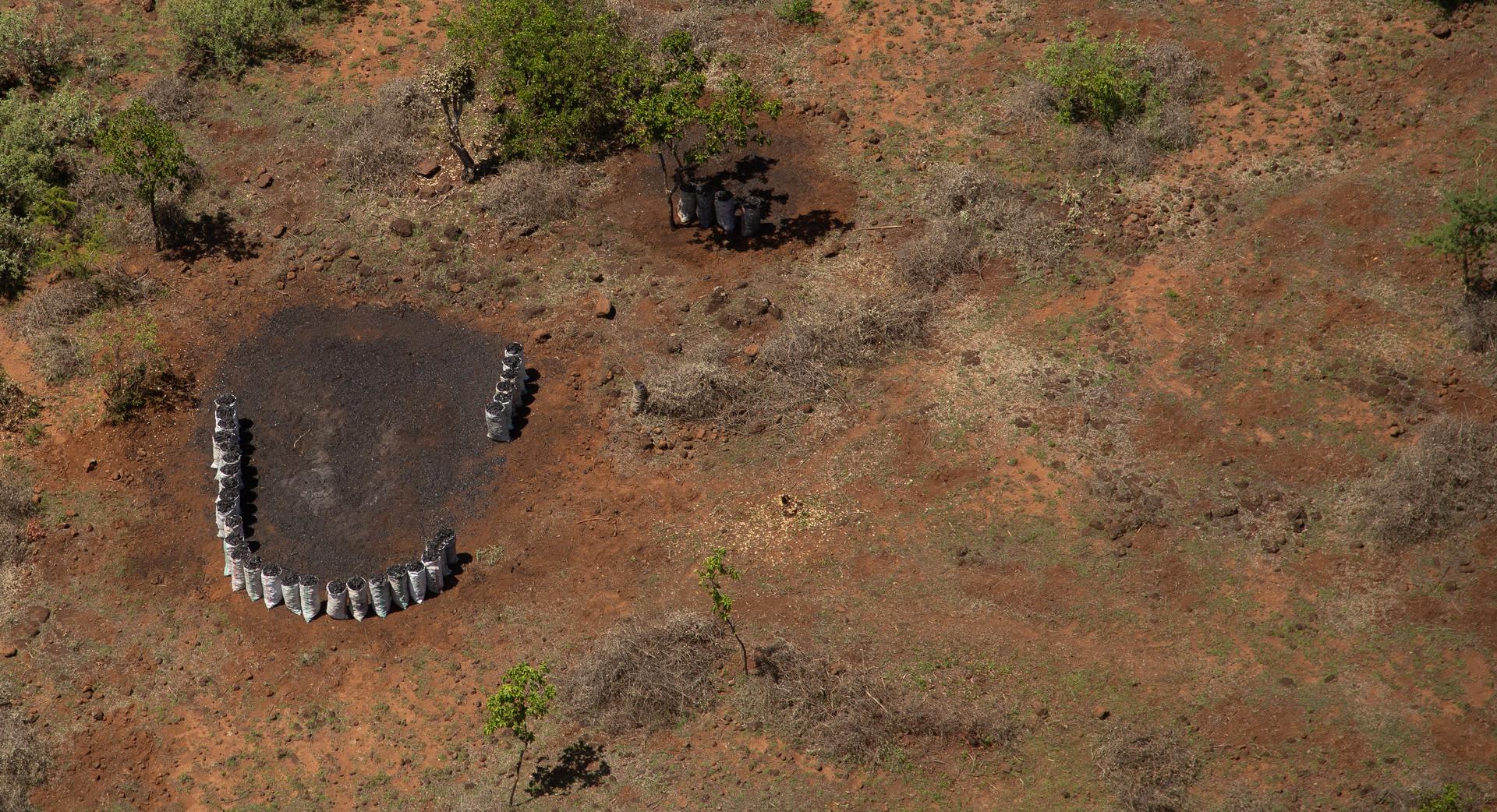
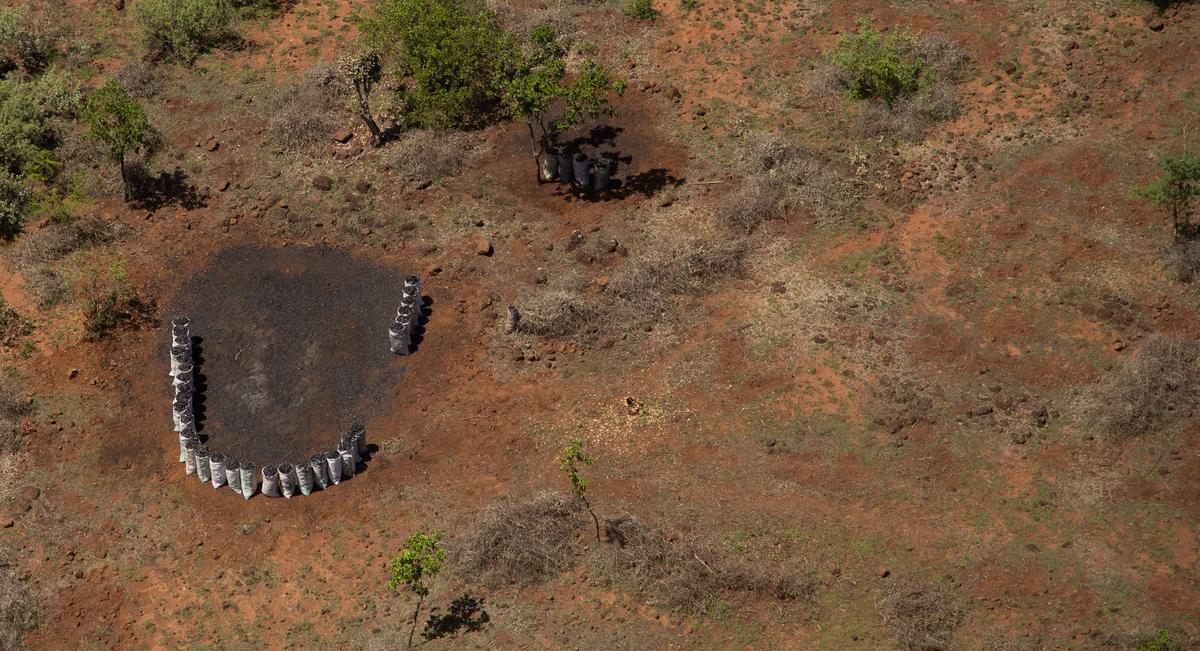
The destruction and fragmentation of elephant habitat now pose some of the most severe long-term threats to both African and Asian elephants. Expanding agriculture, deforestation for charcoal production, urbanisation, infrastructure projects, and extractive industries continue to shrink elephant ranges and sever ancient migration routes. As landscapes are carved up by farms, fences, roads, and settlements, elephants lose the space and freedom of movement essential to their survival. Fragmentation has far-reaching effects. Traditional movement paths disappear, limiting access to seasonal food and water. Populations become isolated, reducing genetic diversity and weakening long-term resilience. Competition with livestock and people intensifies as everyone is forced to share diminishing land and resources. Even protected areas, though crucial, are rarely large enough to support thriving elephant populations without connected landscapes beyond their borders.
Climate change intensifies every pressure elephants face. Rising temperatures, prolonged droughts, unpredictable rainfall, and shifting vegetation patterns are altering the ecosystems elephants depend upon. Water sources dry up more frequently, forcing elephants to travel farther in search of water — often into farmland or villages, where conflict is more likely. Forage becomes scarcer or less nutritious, especially during droughts, which affects the health of elephants and can dramatically increase calf mortality. Vegetation changes can disrupt migration timing and push elephants into human-dominated landscapes where food appears more reliable.
These climate-driven changes interact directly with habitat loss. When space is limited, elephants have fewer options for adapting naturally. Under climate stress, elephants need more connectivity and freedom of movement, not less.
As habitat shrinks and human populations expand, competition for land, crops, and water inevitably increases. Each month, hundreds of elephants across Africa and Asia are killed, injured, poisoned, or caught in snares as retaliation for crop damage or perceived threats to safety. Livelihoods can be deeply affected when elephants raid farms, and communities already living with economic hardship often bear the brunt of these losses. For many families, a single night’s crop destruction can mean months of hunger or the loss of their only source of income. It is therefore understandable that fear, frustration, and anger shape local attitudes toward elephants.
In many places, attempts to “manage” elephants have only increased their suffering. Fences meant to keep elephants out can instead block their migration routes and concentrate conflict elsewhere. Chasing or harassing elephants may displace them temporarily but often increases their stress and unpredictability. Capturing or translocating elephants can break up families and cause trauma and increased mortality, while killing offending elephants removes essential social and ecological contributors from populations.
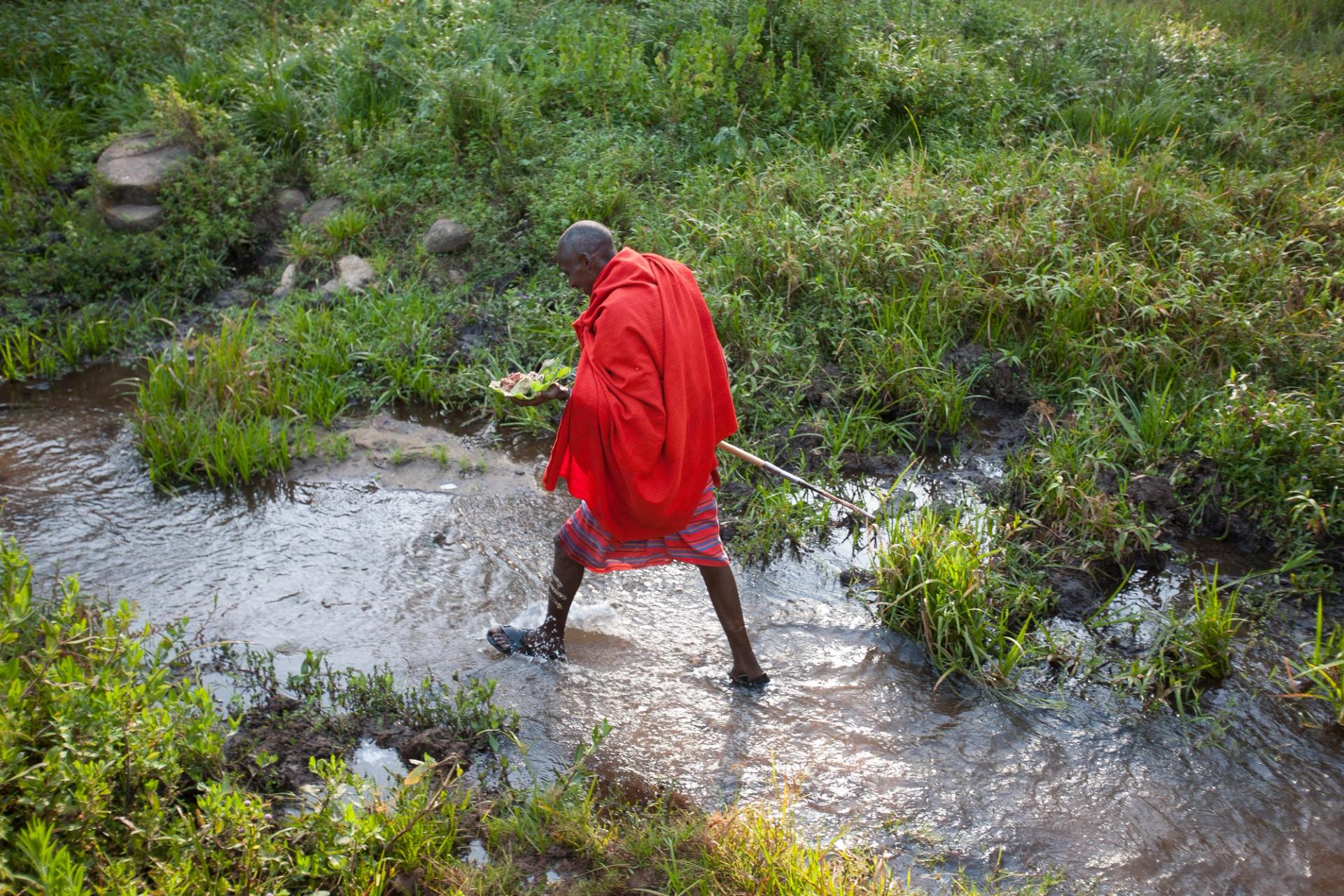
True coexistence begins with recognising elephants as intelligent, emotional, and socially complex beings whose survival depends on secure space, mobility, and safety. Moving toward coexistence requires more than simply reducing conflict; it demands a shift in how societies value elephants and plan landscapes.
Coexistence depends on protecting and restoring the movement corridors that allow elephants to travel safely between key habitats. Crucially, it also requires supporting the communities that share space with elephants, ensuring they receive tangible benefits — economic, social, and cultural — from living alongside wildlife. Holistic land-use planning is essential, integrating ecological needs with human development goals so that farmland, settlements, and infrastructure do not undermine the long-term viability of wildlife populations.
Across elephant range states, communities and conservationists are working together to implement practical, non-lethal solutions that reduce conflict and promote peaceful coexistence.
Community-based land-use planning helps maintain essential habitats and safeguard migration corridors, ensuring that development does not sever the routes elephants rely upon. Early-warning systems — ranging from simple watchtowers, trip wires to sophisticated GPS-linked alerts — give farmers time to protect themselves and their crops before elephants arrive. Non-lethal deterrents such as beehive fences, chili barriers, noise-based systems and drone technology have proven effective in discouraging elephants from entering fields without causing them harm.
Education and outreach programmes help people understand elephant behaviour, empowering communities with knowledge that reduces fear and fosters tolerance. Increasingly, sustainable ecotourism and community-benefit models provide incentives for local people to protect elephants, turning a potential source of conflict into a valuable economic asset. However, even the best tools and strategies have limitations, and none work everywhere. Solutions must be adapted to local cultures, landscapes, and economies, and success requires long-term commitment, adequate funding, and continuous collaboration with the people most affected.
The largest video and audio library of elephant behaviors.