
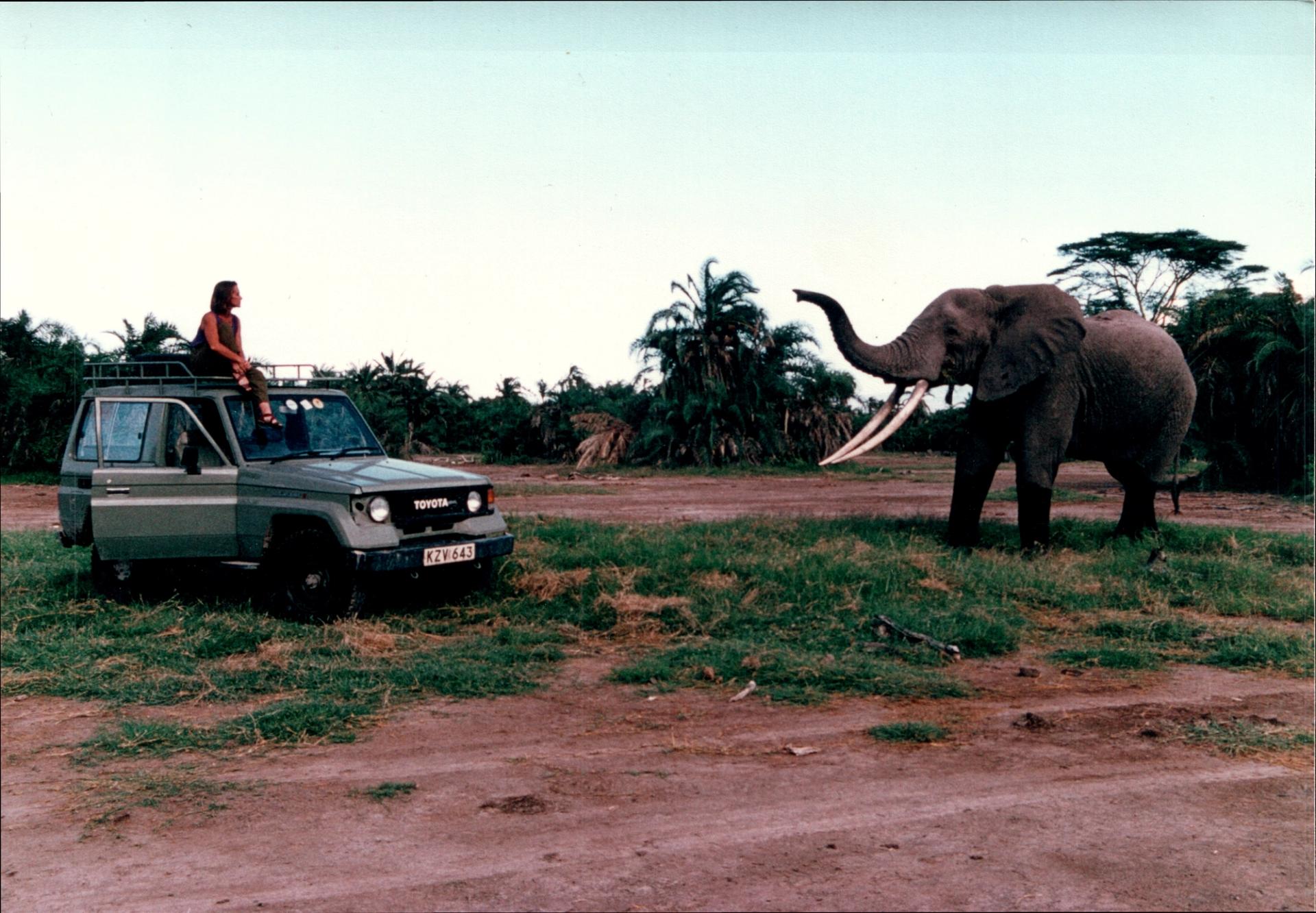
Our story begins with Joyce’s first safari to Amboseli, where a lifelong commitment to elephants began. It follows her groundbreaking discovery of musth, our years of research on elephant communication and through to the present day. This timeline follows the evolution of our work, charting decades of dedicated field research and elephant conservation.
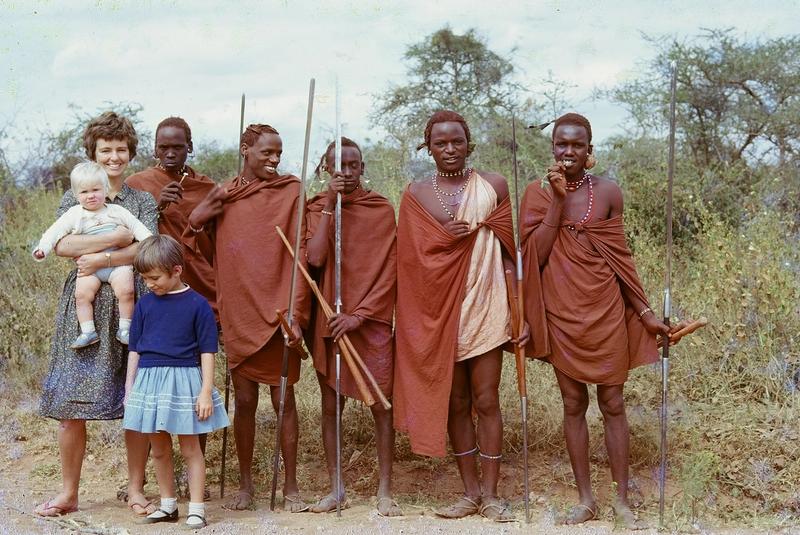
Joyce Poole’s life studying the social behavior and communication of African elephants and dedicating her life to their conservation and welfare was inspired by a childhood spent in Africa and parents who nurtured her love of nature. She visited Amboseli and saw her first elephants in 1962.
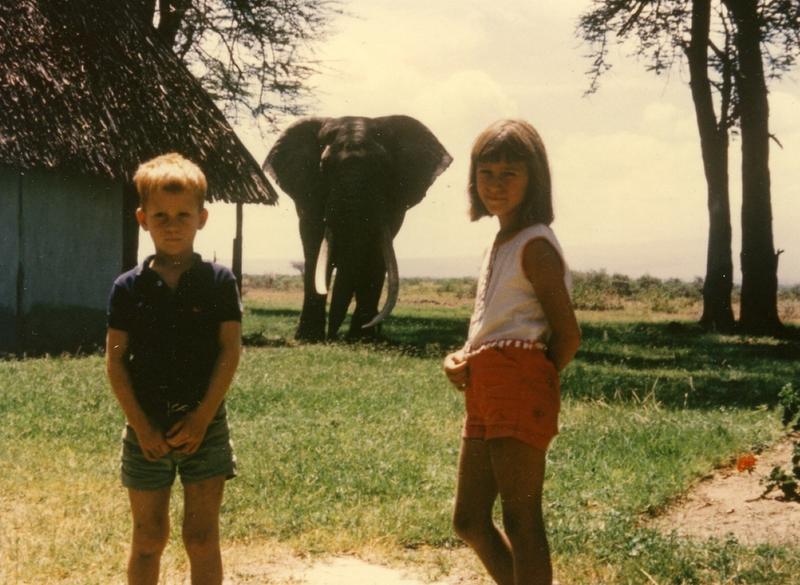
Joyce and Bob with Odinga, a very habituated elephant with long, asymmetrical tusks, characteristic of Amboseli’s mature males. He was later shot by a trophy hunter causing outrage in conservation circles.
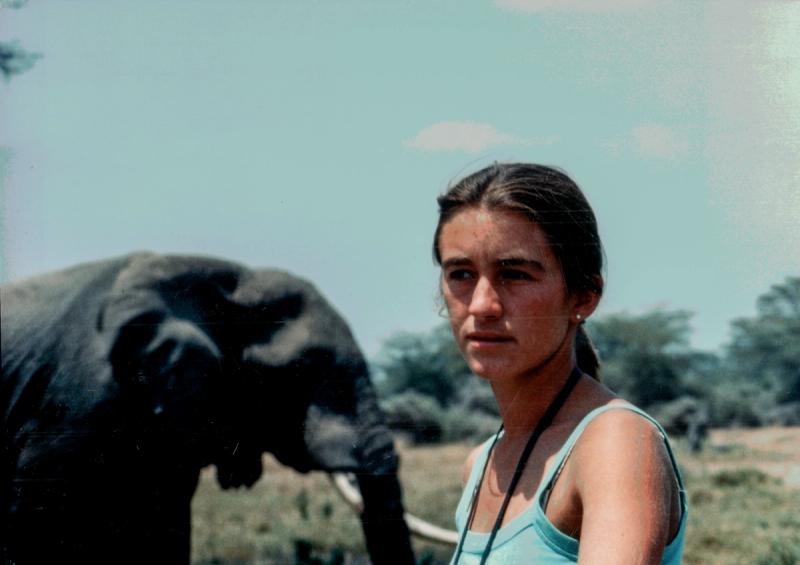
In 1972 Cynthia Moss founded the Amboseli Elephant Research Project, now the longest-running study of individually known elephants. Joyce joined her in 1975, focusing her early work on the social and reproductive behavior of male elephants.
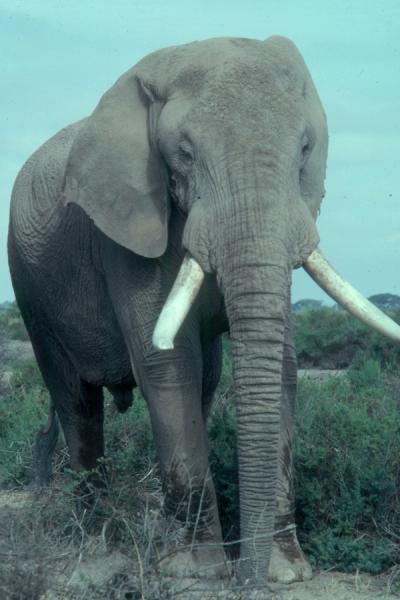
At age 22 Joyce Poole made her first major scientific discovery: male African elephants experience sexual cycles and enter an asynchronous rutting period known as musth. This finding laid the foundation for her doctoral research, and resulted in her and Cynthia’s publication Musth in African elephants in the prestigious journal Nature.
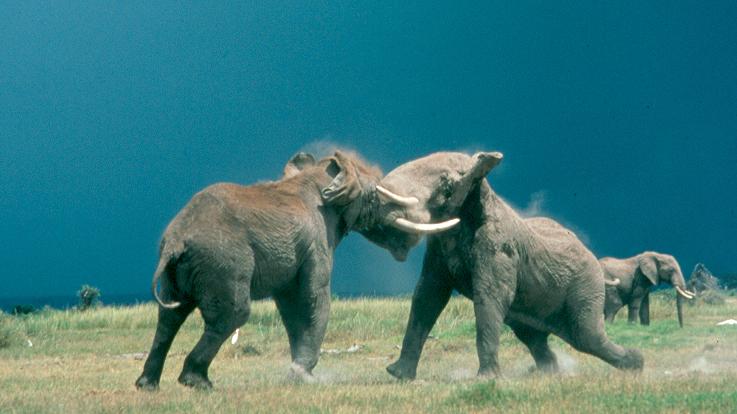
Joyce earns her PhD from Cambridge University her thesis entitled Musth and Male-Male Competition in the African elephant.
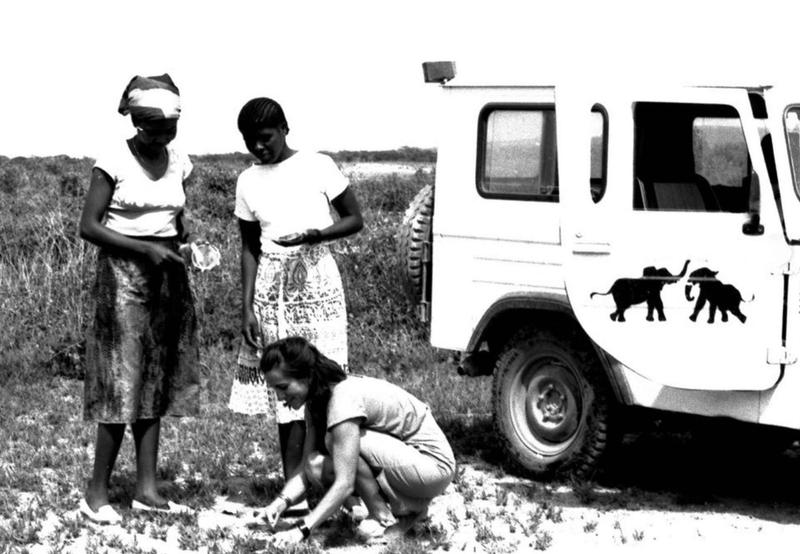
Joyce’s study showing that males in musth have significantly higher testosterone levels than non-musth males do is published. The study is the first to measure testosterone from urine aspirated from the ground.
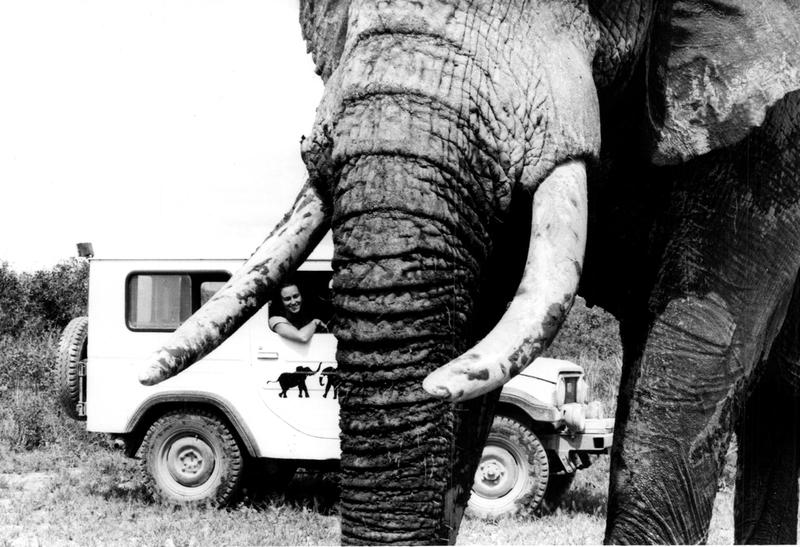
Joyce begins a three-year position as a post-doctoral fellow at Princeton University mentored by Prof. Dan Rubenstein. During this period she continues her research on musth and male-male signalling, begins her study of elephant vocal communication and prepares several manuscripts for publication.
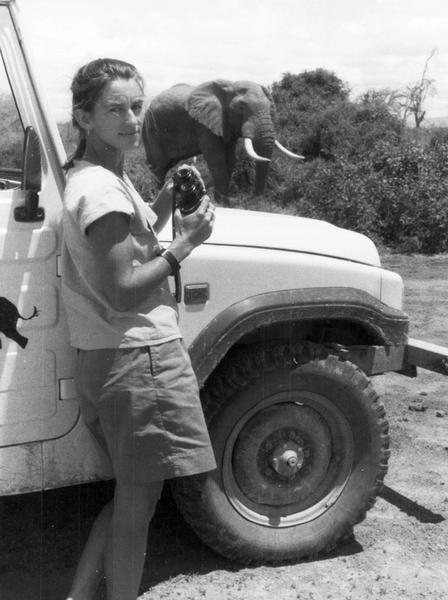
Rutting behaviour in African elephants and the phenomenon of musth is published in the Journal Behaviour. The work documents the physical and behavioral characteristics of musth, including musth rumbles containing infrasound, and the role of musth in elephant social and reproductive dynamics.
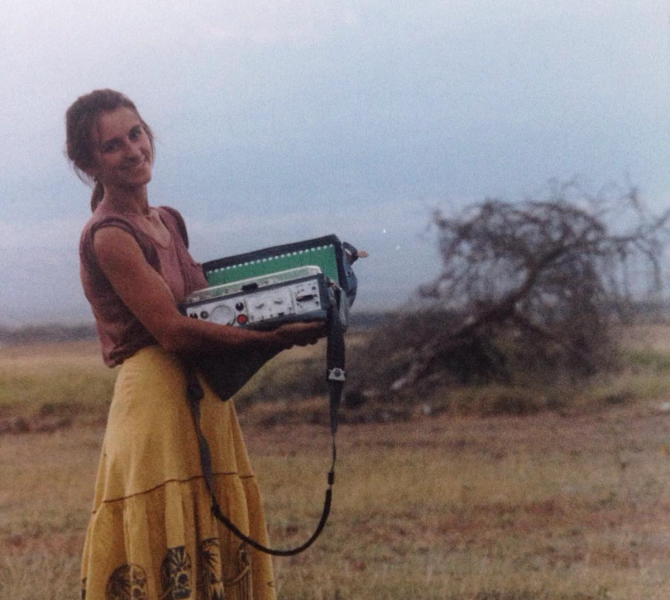
Joyce receives a grant to study elephant communication from the National Geographic Society, becoming a National Geographic Explorer. She gets a Nagra reel-to-reel recorder to capture the very low frequencies of elephants and a 200 lb speaker to use for playbacks. Barely audible musth rumble vocalizations led Joyce to speculate that elephants produce sounds below human hearing. Working with scientist Katy Payne in the mid-1980s confirmed that, like their Asian cousins, rumbles made by African elephants contain frequencies below the level of human hearing. The results of their work “Social contexts of some very low frequency calls of African elephants” examined the social context of African elephants rumbles and predict that powerful rumbles travel long distances.
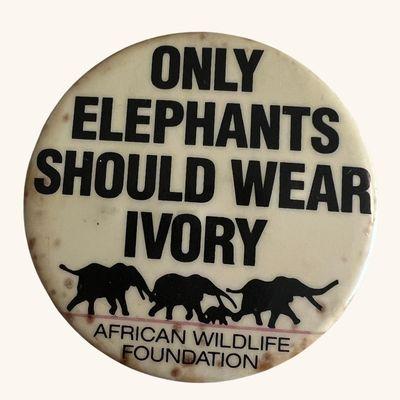
The ivory trade was decimating Africa’s elephants. Joyce and Cynthia Moss try to persuade conservation organisations to join them in an awareness campaign to stop the ivory trade. WWF treated them dismissively, arguing that the ivory trade was good for elephants. The AWF joined Joyce and Cynthia in spearheading a landmark public awareness campaign, Only Elephants Should Wear Ivory, which became central to a global movement to stop the ivory trade.
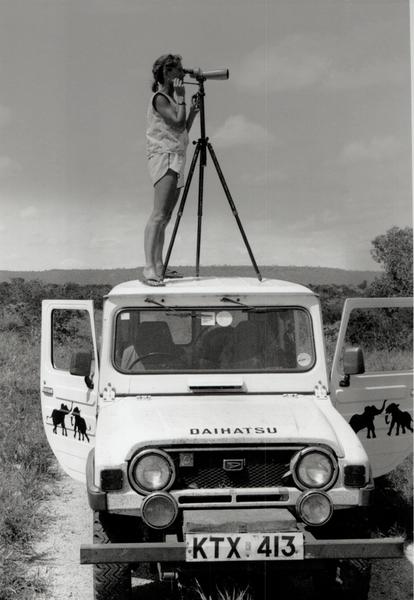
In the first quarter of 1989 Joyce carried out surveys of three heavily poached elephant populations - Tsavo in Kenya, Queen Elizabeth in Uganda, and Mikumi in Tanzania, showing that poaching for ivory was destroying the fabric of elephant society. These data were later used in a proposal to CITES to ban the international trade in ivory.
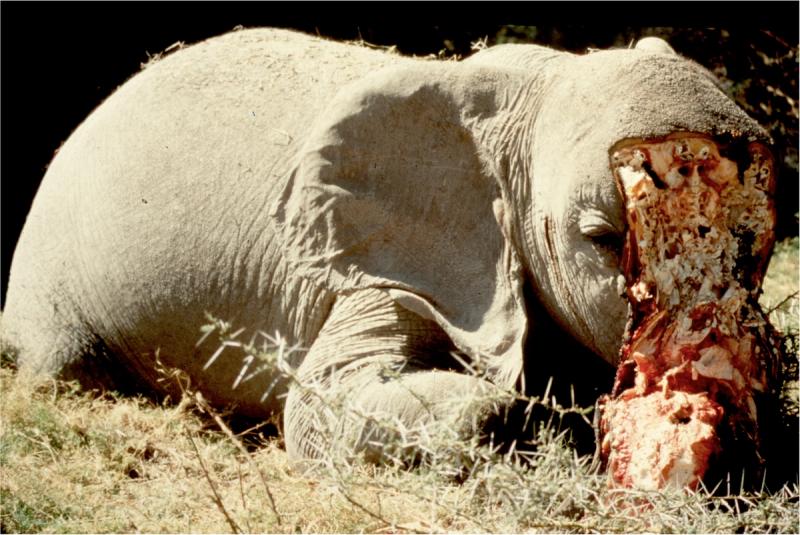
Joyce and colleagues spoke to journalists, participated in documentary films highlighting the crisis, and collected data on poached populations. In mid-1989 Joyce traveled to Japan and Hong Kong to speak directly with ivory traders in a bid to end the carving industry.
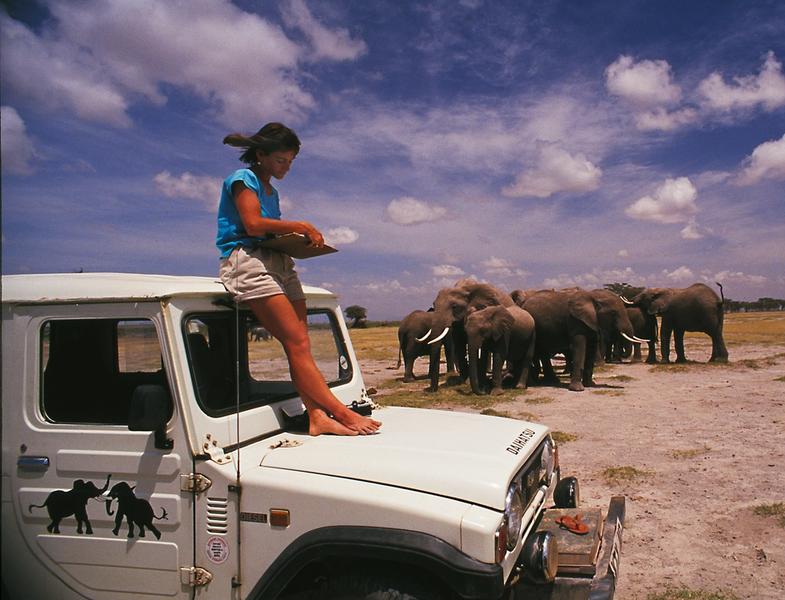
Doug Chadwick interviews Joyce for a story for National Geographic Magazine Elephants Out of Time, Out of Space about her work and the poaching crisis. Simultaneously she participated in a Discovery film, Ivory Wars. During the same year, Joyce worked secretly with colleagues to draft an in-depth proposal to the Convention on International Trade in Endangered Species (CITES) to up list the African elephant to Appendix I to stop the ivory trade. The proposal was submitted by Tanzania and was instrumental in achieving the international ban on the trade in ivory at the October meeting in Lausanne, Switzerland.
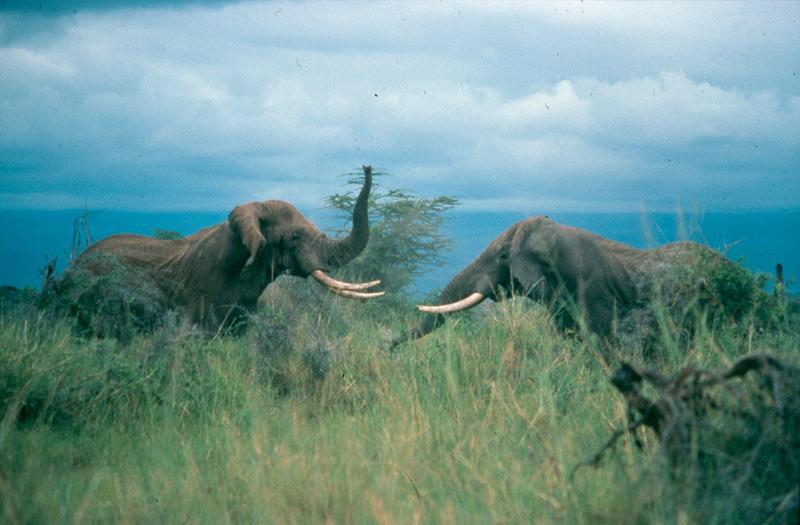
Several of Joyce’s groundbreaking publications on musth are published: Announcing intent: The aggressive state of musth in African elephants; Mate guarding, reproductive success and female choice in African elephants; Elephant mate searching: group dynamics and vocal and olfactory communication

Between 1990-1994, Joyce headed the Elephant Program at Kenya Wildlife Service, working with and training many of the men and women who hold key elephant management positions in Kenya today.
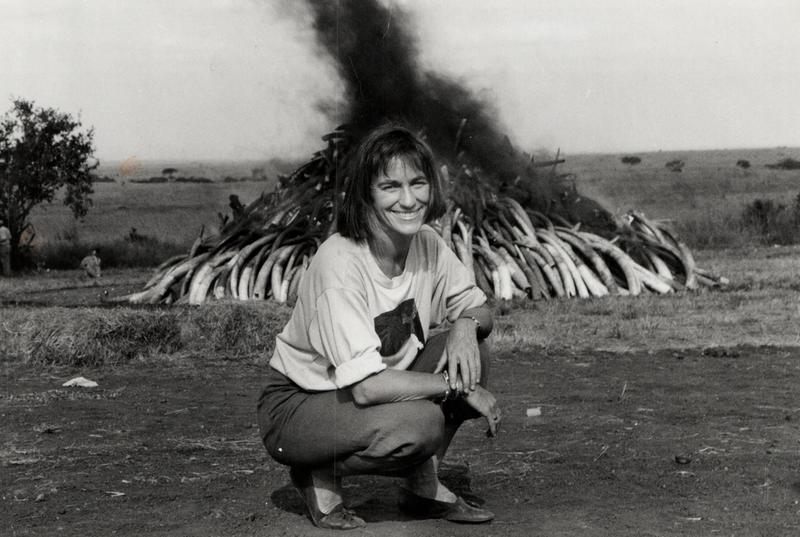
Commemorating the July 18 1989 Ivory Burning, Joyce and her KWS team organise Kenya’s first Elephant Day, with a parade through the street of Nairobi, speeches by conservation leaders and a second ivory burning in Nairobi National Park.
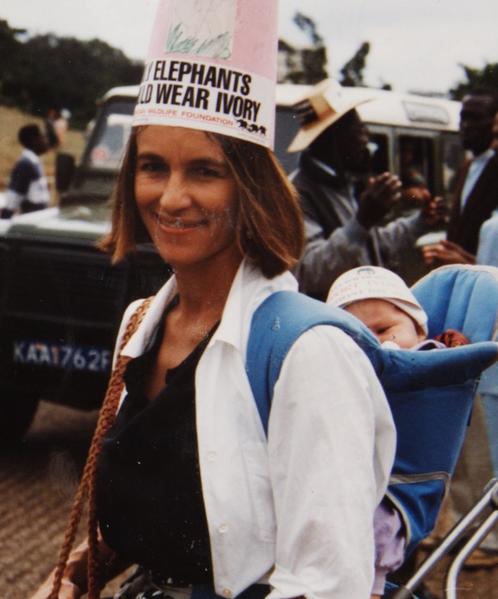
Joyce’s daughter Selengei was born in May 1993 and makes her debut in the elephant world accompanying her mother on the Elephant Day parade through the streets of Nairobi on July 18. In late 2023 Selengei start to work as ElephantVoices' Communication Manager.
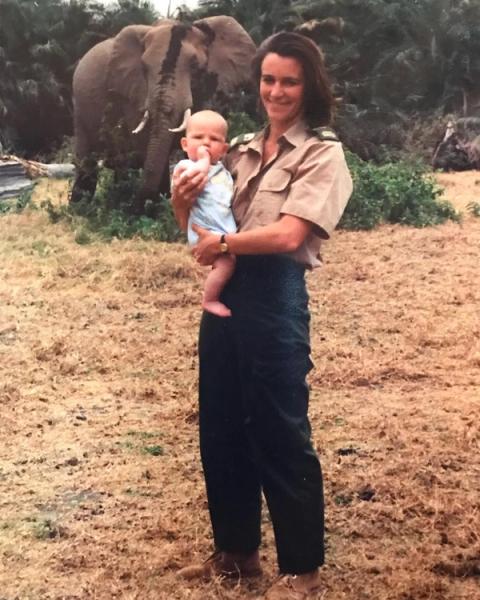
Selengei visits Amboseli for the first time and meets Tilly and the TA family in the Amboseli Elephant Camp. Selengei would later spend much of her childhood in the camp.
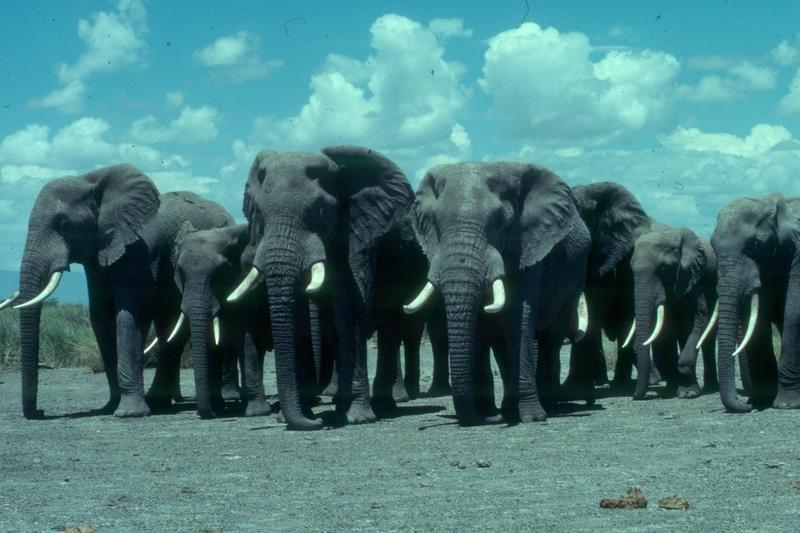
Oloitipitip, Sleepy and RBG, three males that Joyce had studied as part of her graduate research, were shot by trophy hunters across the border in West Kilimanjaro, Tanzania. The incidents led to international outcry. Joyce reached out to the Wildlife Department and Tanzania agreed to a moratorium on trophy hunting of elephants in the cross border area. This incident marked the beginning of our speaking out against the trophy hunting of elephants.
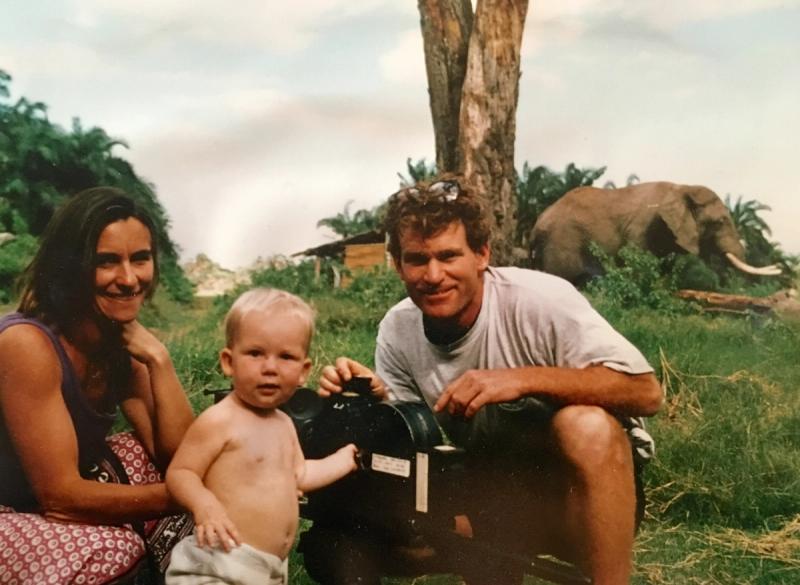
The National Geographic documentary Coming of Age with Elephants showcases Joyce Poole’s groundbreaking research and offers audiences a rare glimpse into the lives of elephants. Filmed by her brother, Bob Poole, it marked his first project as a cinematographer - fittingly, a film about his sister’s work. The film represents the beginning of what would become a long and successful series of collaborations between the two siblings.
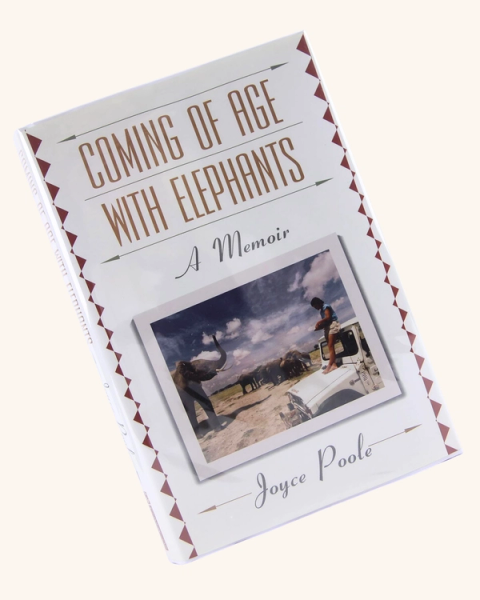
Joyce's memoir, 'Coming of Age with Elephants', describes her extensive research and personal experiences studying behavior and communication and protecting elephants.
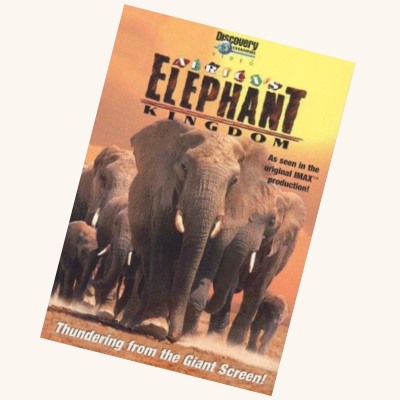
Joyce worked with Iain Douglas-Hamilton and director, Michael Caulfield on the filming of the IMAX production, Africa’s Elephant Kingdom. She went through all of the audio recordings to provide information on behavioral context and advised how the elephant voices should be used in the film. This marked the first of many films we worked with to accurately reflect the behavior and voices of elephants.
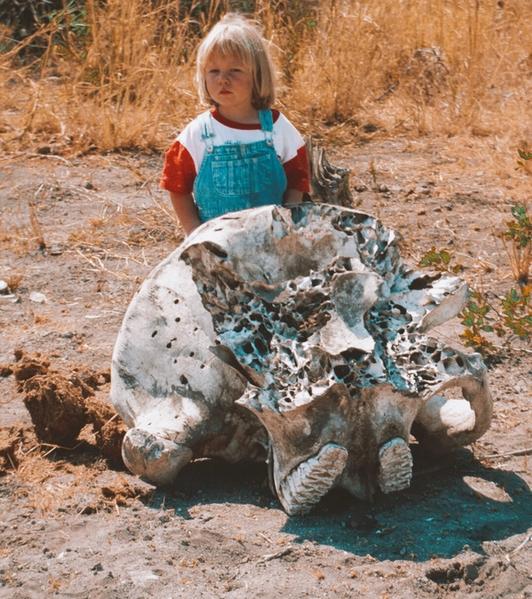
Joyce and colleagues in Tanzania organised a survey in West Kilimanjaro to ascertain how many elephants utilised the area. They showed that the majority were known individuals from the Amboseli population. Joyce's young daughter, Selengei joined the survey and we visited the place where one of Joyce's favorite elephants, RBG had been killed by trophy hunters.
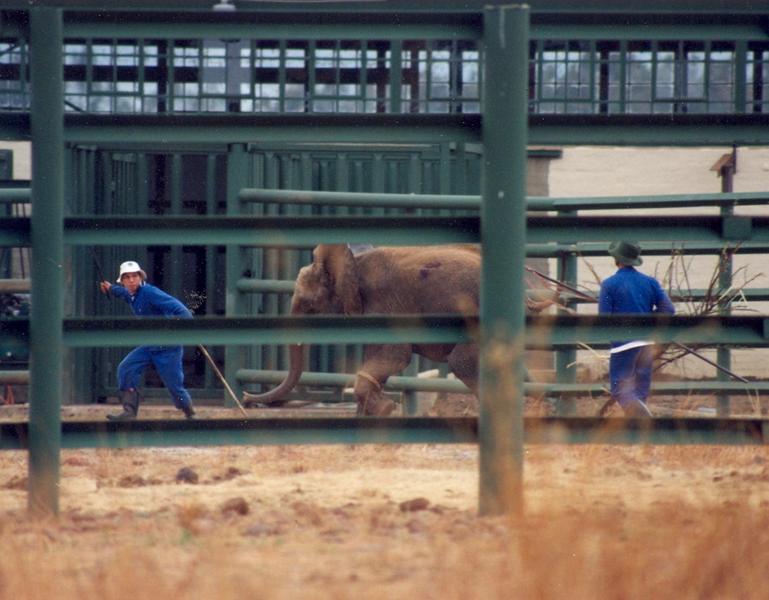
Joyce and Dame Daphne Sheldrick acted as expert witnesses in a South African court on behalf of 30 baby elephants abducted from their families in the Tuli Block. They witnessed appalling beatings and tight tethering of the babies by Malaysian mahouts brought in to “train” the elephants for zoos and circuses. This case marked the first of scores of affidavits and court appearances by ElephantVoices on behalf of elephants.
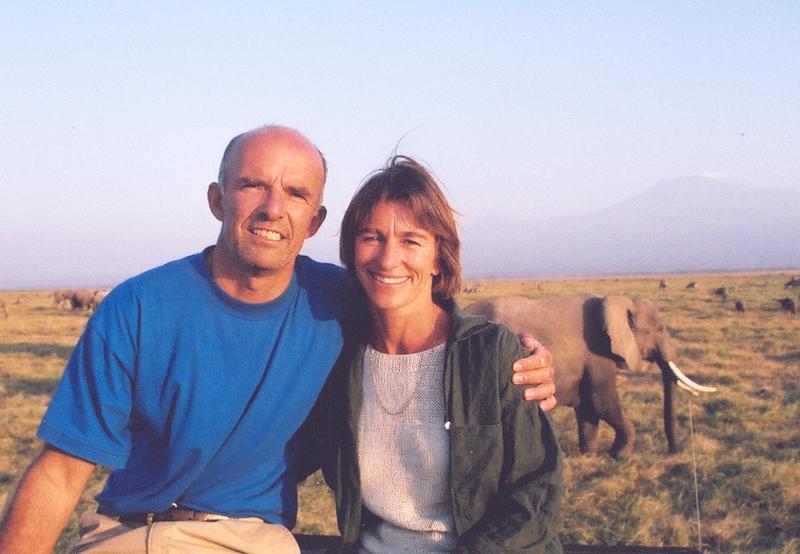
In 1998 Petter Granli co-founded the ecotourism and conservation entity Basecamp Explorer. Through his work Petter meets Joyce. They join forces and begin working together in Amboseli in 2000.
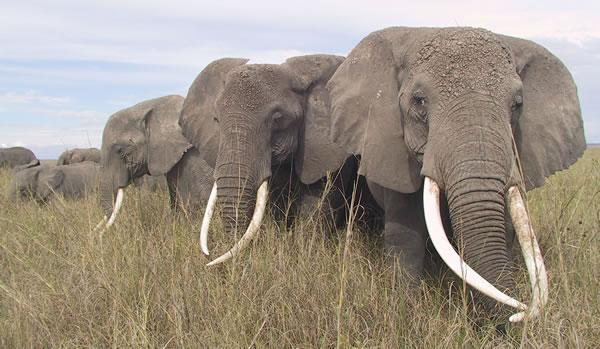
During 1999 and 2000 Joyce and Petter focus their ongoing study of communication on Amboseli’s EB family, led by the famous matriarch, Echo, pictured here on the right. Much of what we know about elephants today is thanks to Echo and her famous family.
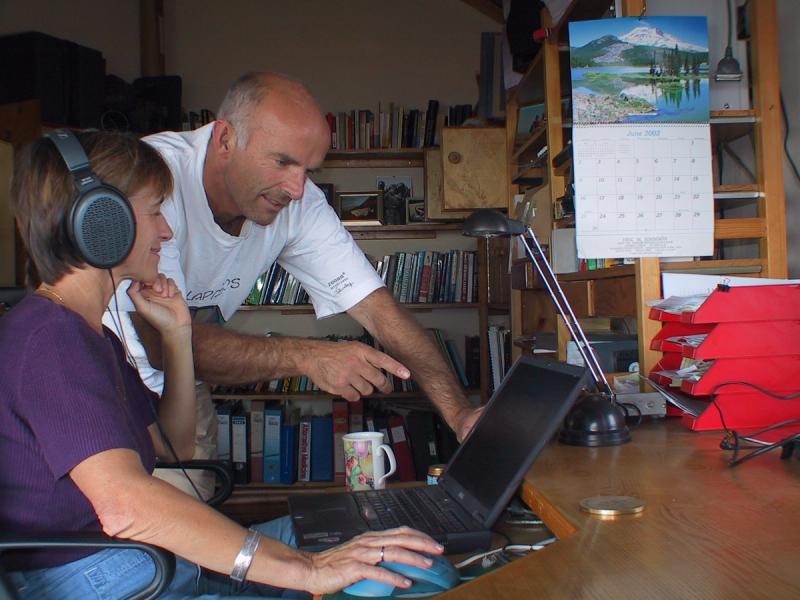
Joyce and Petter launch ElephantVoices and its first website. Petter's creativity, technical skills and his background in marketing and communication influenced their decision to share the voices of elephants via the internet in the belief that better understanding could help change public perception and improve the survival prospects for elephants.
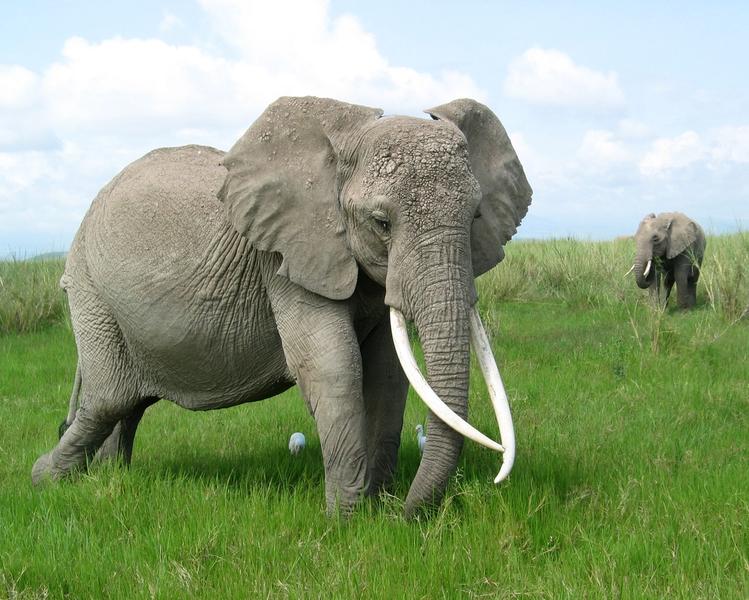
Wildlife documentaries rarely use synch sound preferring to dub animals with recordings sourced separately in different contexts leading to false representation of animal communication and behavior. Joyce sources the vocalisations for the BBC film, Echo of the Elephants: The Final Chapter, from the authentic voices of the same individuals that she and Petter have recorded in the same contexts. The film was released in 2005.
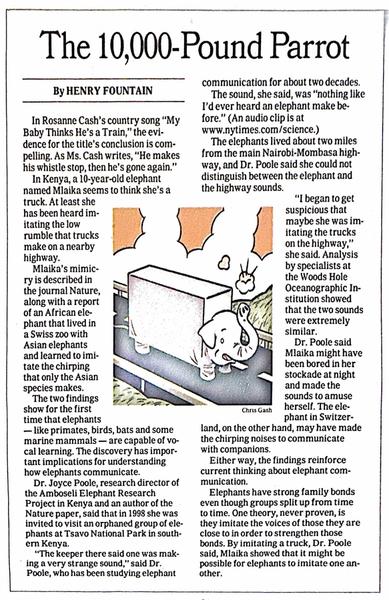
Joyce and colleagues discovery that African elephants are capable of creating and imitating novel sounds of other species and even of machines is published in the Journal Nature and reported in the New York Times.
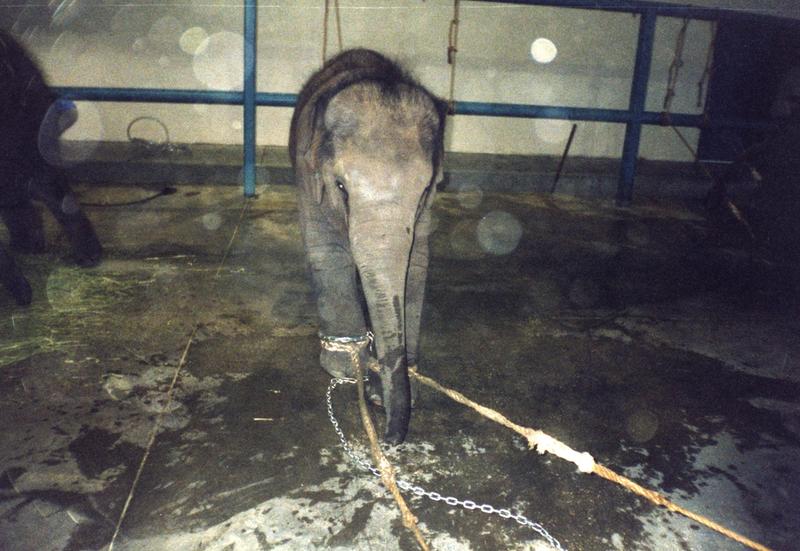
ElephantVoices is registered as a non-profit charitable organisation (501(c)(3)) in California. Joyce is an expert witness in a major case against Ringling Brothers and Barnum and Bailey Circus for their mistreatment of elephants. While our case was thrown out on a technicality, the publicity around it spelled the beginning of the end. The final performance of elephants in the circus was May 1st 2016.
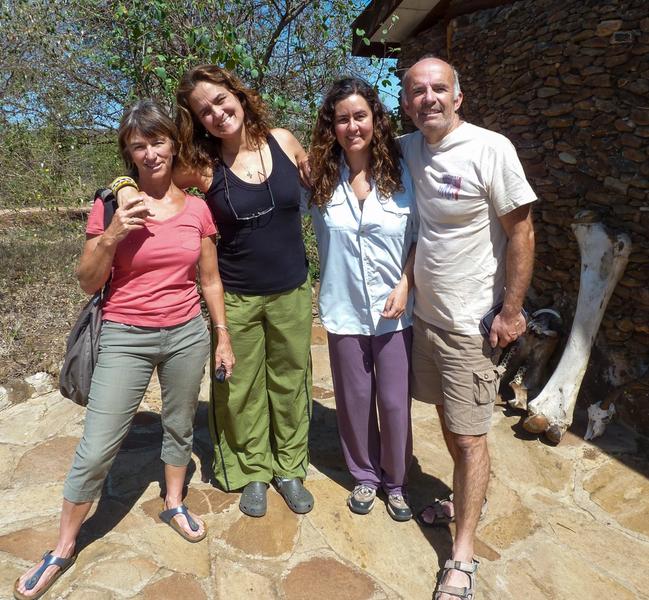
Together with Junia Machado and Brazilian colleagues, ElephantVoices advocated for captive elephants in South America, promoting legislation to end their use in performances. We introduced the sanctuary model—highlighting Brazil’s climate, expansive natural habitat, and dedicated individuals - which later led to the establishment of Santuário de Elefantes Brasil.
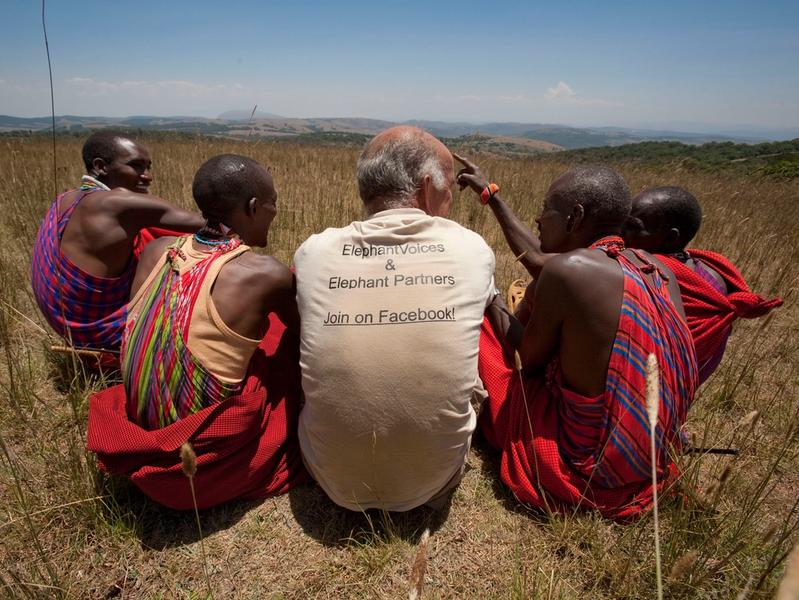
ElephantVoices launches a citizen science conservation project in the Maasai Mara ecosystem to connect individual people with the lives of individual elephants. Through use of a cell phone app and social media, we develop a community of people sharing knowledge of the Mara elephants and working together to protect them.
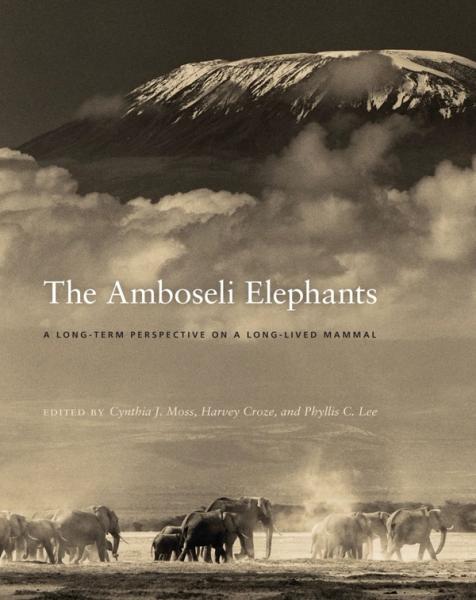
Eleven years in the making, The Amboseli Elephants: A long-term perspective on a long-lived mammal is published. The book brings together the results of more than three decades of research. Joyce contributed to five chapters including: Signals, Gestures and Behavior of African Elephants; Behavioral Contexts of Elephant Acoustic Communication; Decision Making and Leadership in Using the Ecosystem; Male Social Dynamics: Independence and Beyond; Longevity, Competition, and Musth: A Long-Term Perspective on Male Reproductive Strategies; Ethical Approaches to Elephant Conservation.
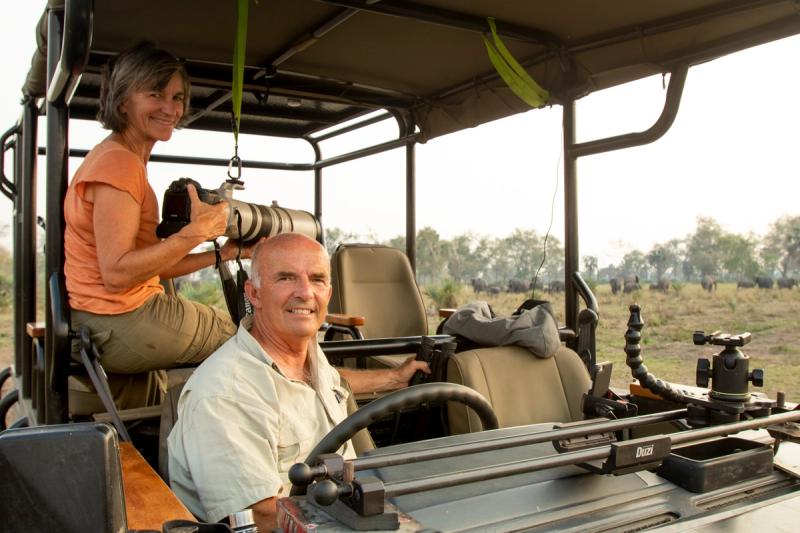
Greg Carr and the Gorongosa Restoration Project (GRP) invite Joyce to visit Gorongosa National Park to assess the elephant population. The visit coincides with the filming of National Geographic’s War Elephants and marks the start of ElephantVoices nine-year elephant monitoring and conservation project. Working in Gorongosa offers us a window of understanding into the enduring impacts of humans on elephant societies.
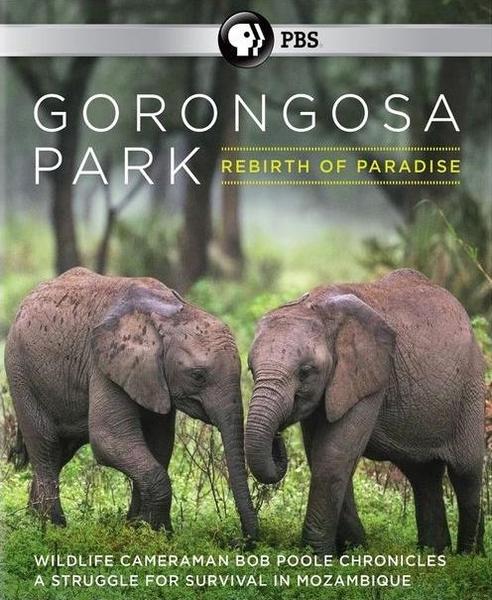
Our work in Gorongosa features in the six-part documentary series Gorongosa Park: Rebirth of Paradise (in Episodes 2 and 5) airing on PBS and National Geographic. Joyce's brother, Bob Poole, is the Director of Photography. Off the Fence and the Gorongosa Project grant ElephantVoices the right to use the raw footage of elephants for science and education. This footage, and generous donations from some of our loyal supporters, forms the foundation for The Elephant Ethogram.
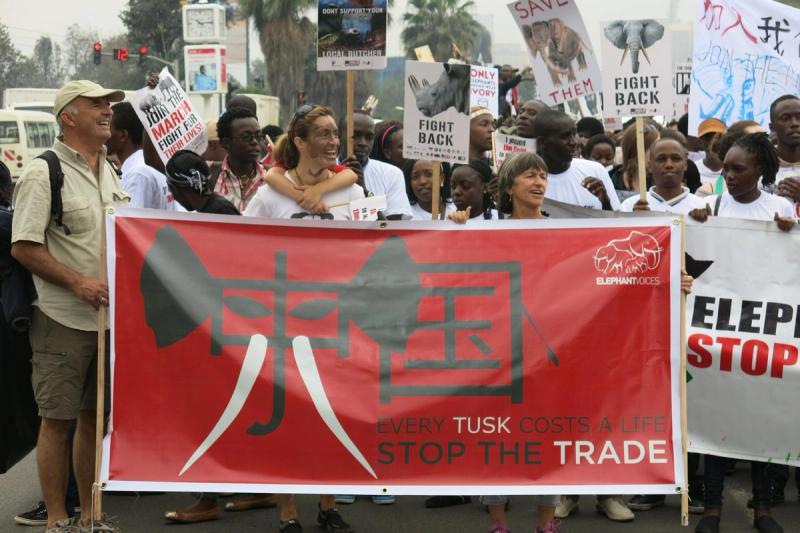
In collaboration with Asher Jay, ElephantVoices launches a campaign, Every Tusk Costs a Life Don’t Buy Ivory, against the trade producing two powerful posters directed at the ivory market. Our campaign was included in National Geographic’s A Voice for Elephants. Pictured here are Petter, Saba Douglas-Hamilton and Joyce at the Elephant Day Parade in Nairobi, holding the campaign banner.
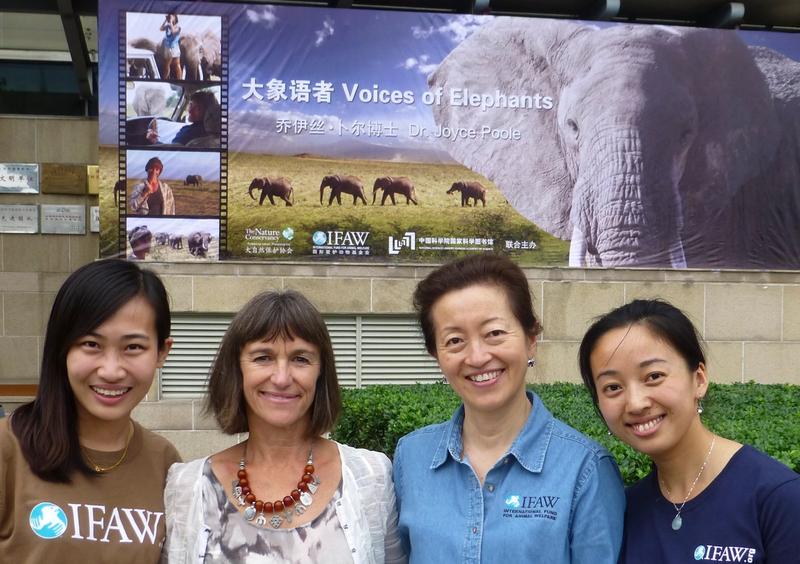
Joyce travels to China to speak out against the ivory trade and, separately, to try to halt the importation to Chinese Zoos of baby elephants from Africa. She speaks to an audience in Beijing organised by Grace Gabriel of IFAW and a gathering of 100 Zoo Directors in Shenzhen organised by the Humane Society International (now Humane World for Animals).
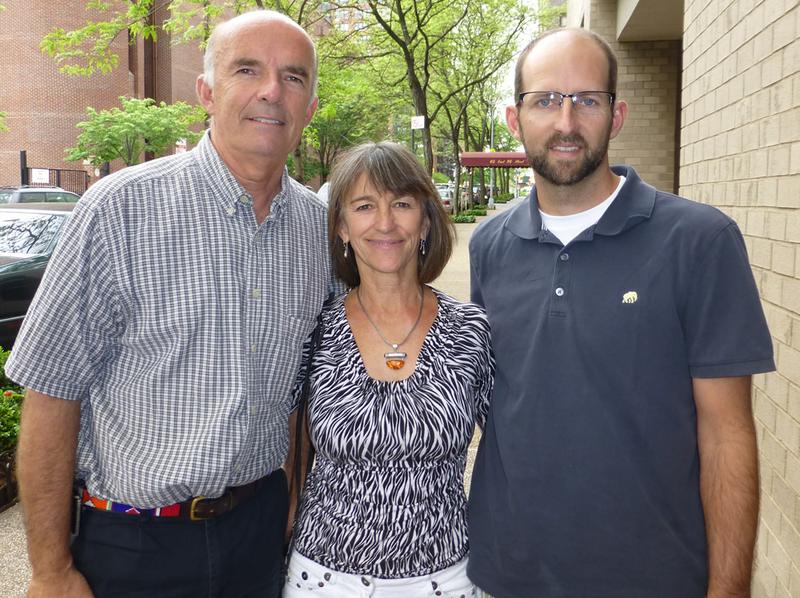
Petter and Joyce meet with Scott Blais (Co-Founder of The Elephant Sanctuary in Tennessee) in New York, to discuss initiating an elephant sanctuary in Brazil. Later Scott and Kat Blais establish Global Sanctuary for Elephants as a US non-profit, with ElephantVoices as a founding partner. Meanwhile, in Brazil, supported by ElephantVoices, Junia Machado establishes Santuário de Elefantes Brasil.
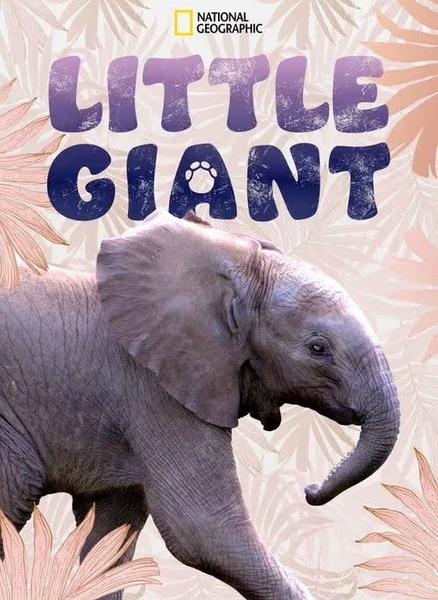
Joyce's brother, Bob Poole, and his wife, Gina, film Little Giant in Naboisho Conservancy, Maasai Mara, focusing on a family of elephants that Petter and Joyce know. Off the Fence and Bob Poole Films grant the right to ElephantVoices to use the raw footage for science and education adding to the collection they use to illustrate elephant behavior for The Elephant Ethogram.
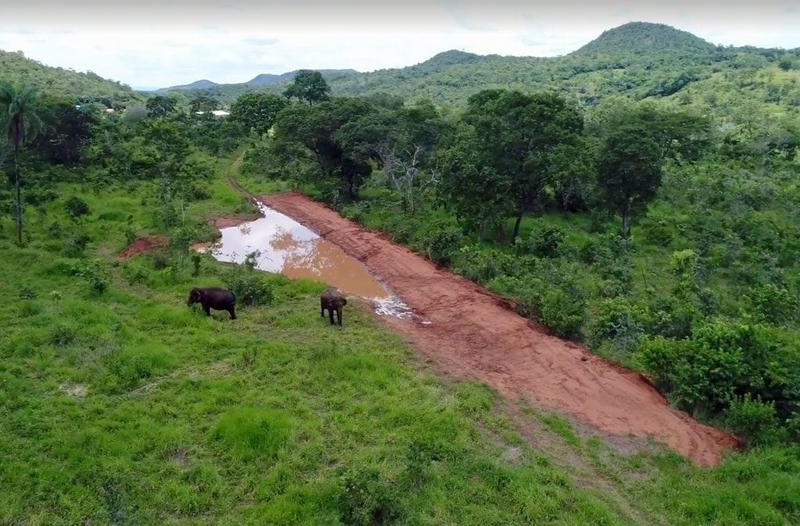
Santuário de Elefantes Brasil (SEB) acquires a 2,800-acre property in Chapada dos Guimarães, Mato Grosso. Going forward, Scott Blais takes the lead on this initiative together with his wife Kat. Petter has joined the board of SEB, and Joyce the board of Global Sanctuary for Elephants.
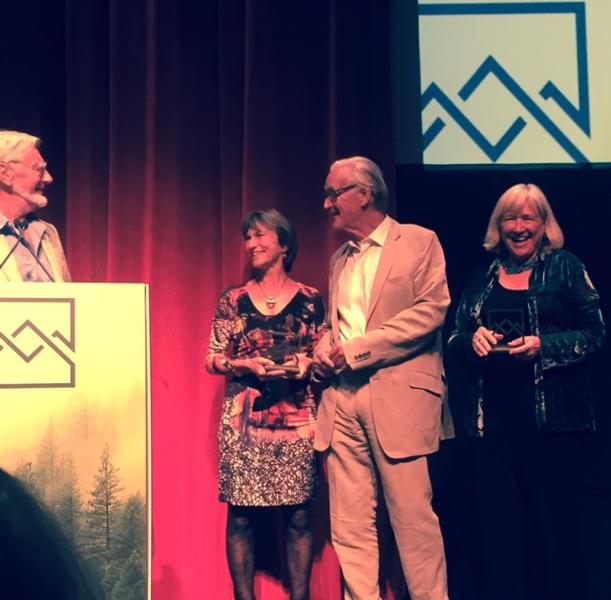
Joyce Poole of ElephantVoices, Cynthia Moss of Amboseli Trust for Elephants and Iain Douglas-Hamilton of Save the Elephants, receive the Outstanding Achievement Award at the Jackson Hole Wildlife Film Festival.
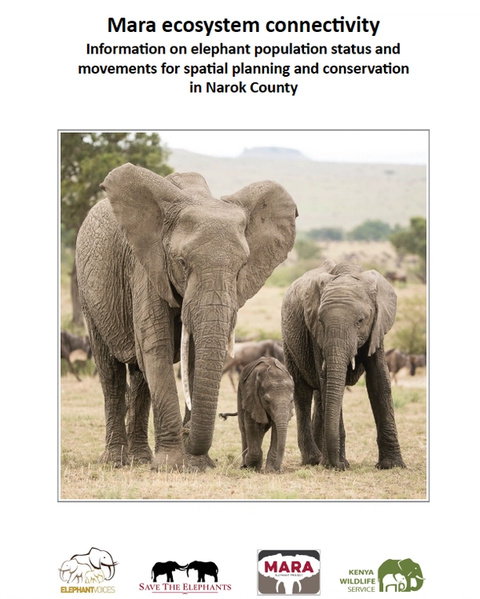
ElephantVoices, Save the Elephants, Mara Elephant Project and Kenya Wildlife Service produce a technical report entitled, "Mara ecosystem connectivity: Information on elephant population status and movements for spatial planning and conservation in Narok County." Our work was incorporated into national and county level spatial and development plans.
As a leading elephant behavior scientist Joyce appears in the National Geographic documentary Mind of a Giant. The film airs explores the intelligence, emotional depth, and complex social lives of elephants through decades of scientific research.
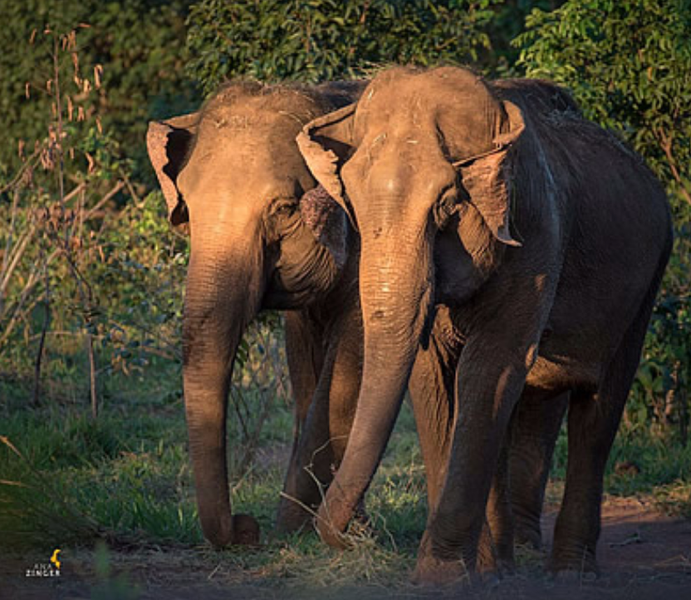
The elephant sanctuary in Brazil, Santuário de Elefantes Brasil, co-founded by ElephantVoices and Global Sanctuary for Elephants received its first two elephants, Maia and Guida.
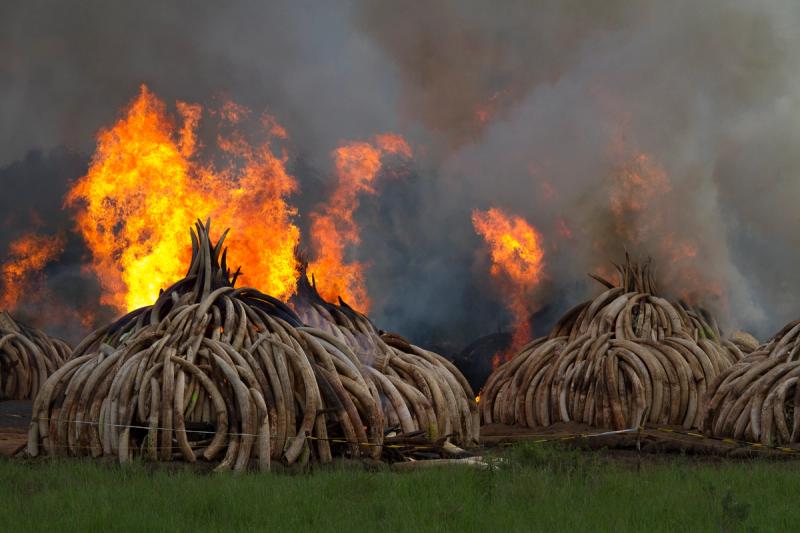
Joyce and Petter attend the ivory burning in Nairobi National Park, witnessing the tusks of ~10,000 elephants go up in flames. The pyres constitute the largest single stockpile destruction in history - a powerful statement by Kenya that elephants are worth more alive, and that the nation’s wildlife heritage is not for sale.
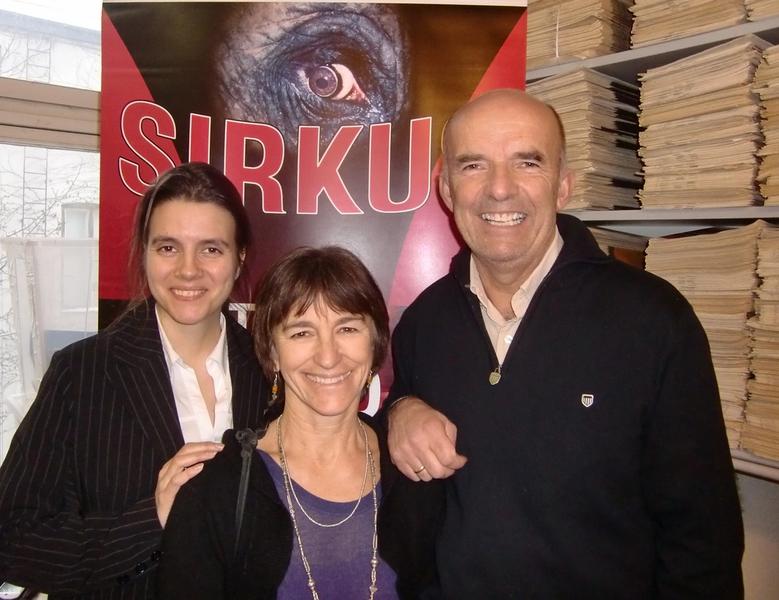
ElephantVoices and NOAH celebrate the end of performing elephants in Norwegian circuses. The legal ruling comes after a decade of campaigning to bring an end to this exploitation - so detrimental for .
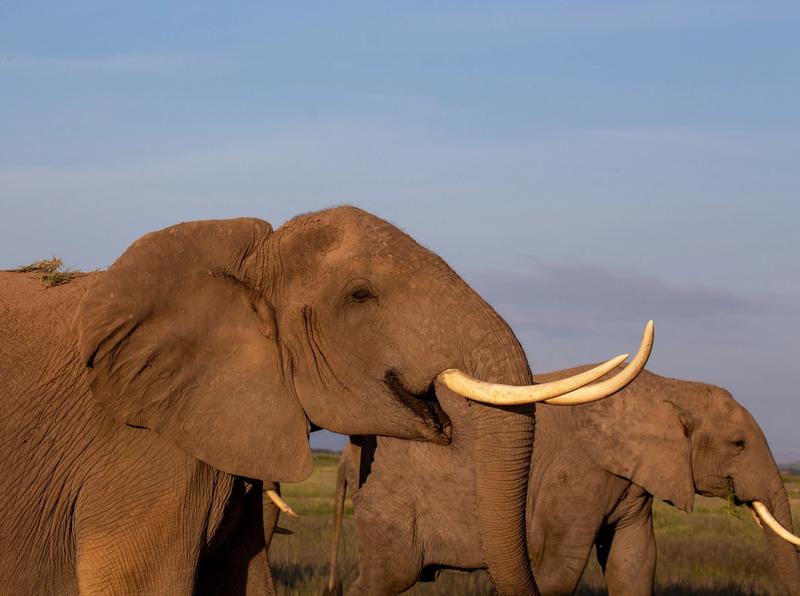
A collaborative study led by Dr. Mickey Pardo, shows that differences in combination calls (e.g. rumble-roar-rumble) among the three elephant species cannot be explained by their evolutionary relationships, suggesting instead that elephant vocal communication has evolved through more complex factors than phylogeny alone.
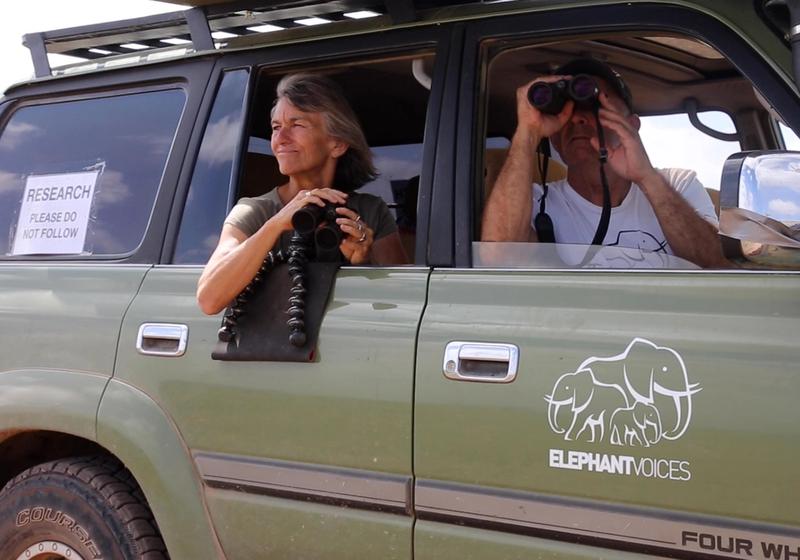
Joyce and Petter are in Amboseli for three months in early 2020 to film elephant behavior for The Elephant Ethogram [link to video A day in the field]. Forced to stay at our home office the rest of the year and into 2021 gives us the time needed to focus on designing and populating The Elephant Ethogram.

Joyce and Selengei are featured in the National Geographic documentary Women of Impact, highlighting women who are changing our world. The segment Joyce is in focuses on women explorers raising children in the wild and Selengei illustrates how her childhood experience shaped her life choices.
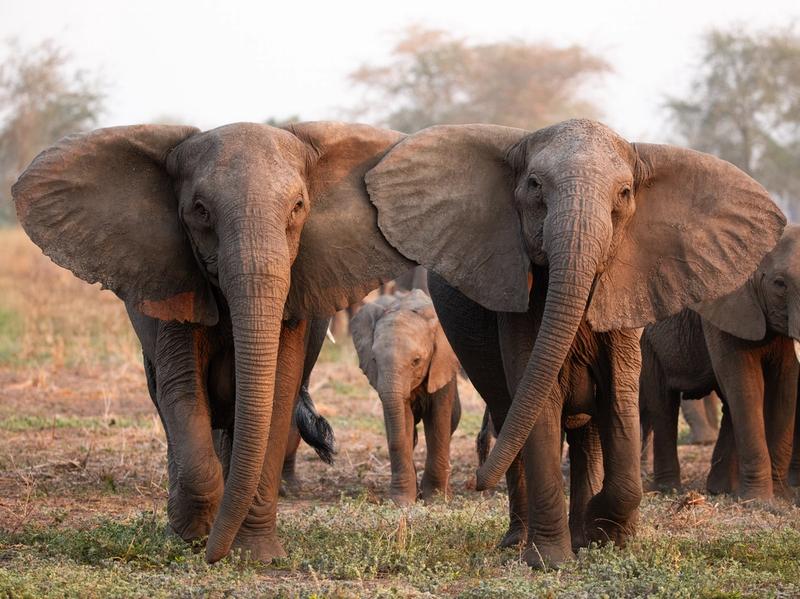
“Ivory poaching and the rapid evolution of tusklessness in African elephants” is published in Science. Our Gorongosa study reveals that intense ivory poaching has driven a rapid evolutionary shift in African elephants, leading to a dramatic rise in tusklessness as a survival trait. The study highlights how severe human-induced selection pressures can alter the physical and genetic makeup of wildlife populations in just a few generations.
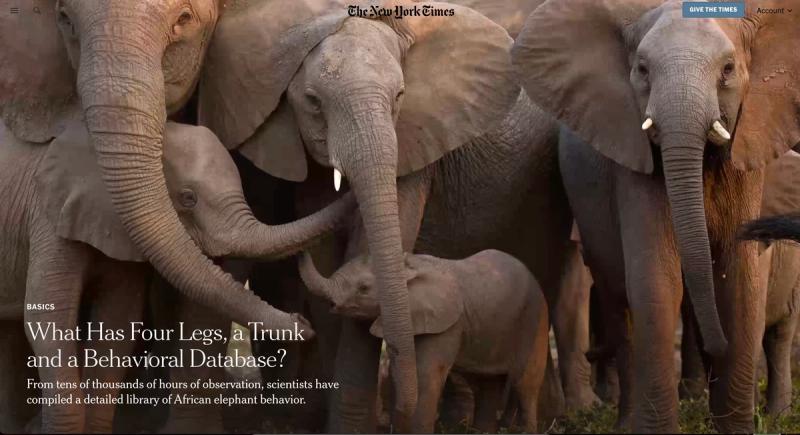
The Elephant Ethogram, documenting over 400 behaviors with over 3,000 media files including 2,400 videos, was launched on our website in May. An accompanying article about it is published in the Journal Pachyderm. It was widely covered in the media including in The New York Times, BBC, National Geographic, NPR, and the New Scientist.
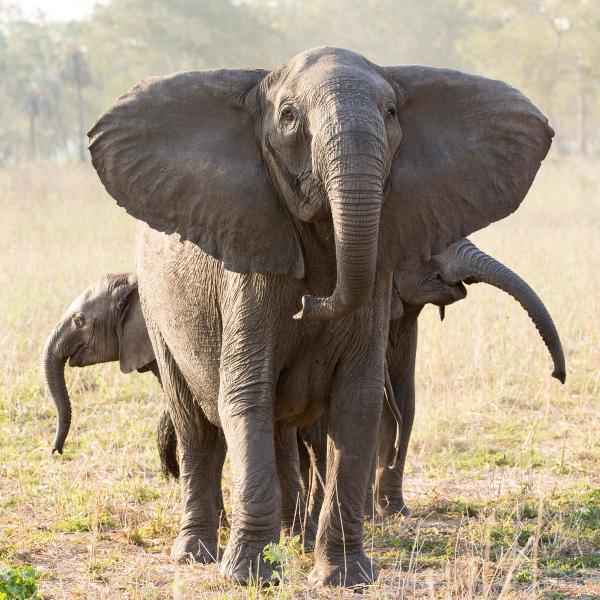
“The Gorongosa elephants: Through war and recovery - tusklessness, population size, structure, and reproductive parameters” is published in the Journal Pachyderm. The study documents the status of the population a quarter century after the end of the Mozambican civil war during which 90% of the population was killed.
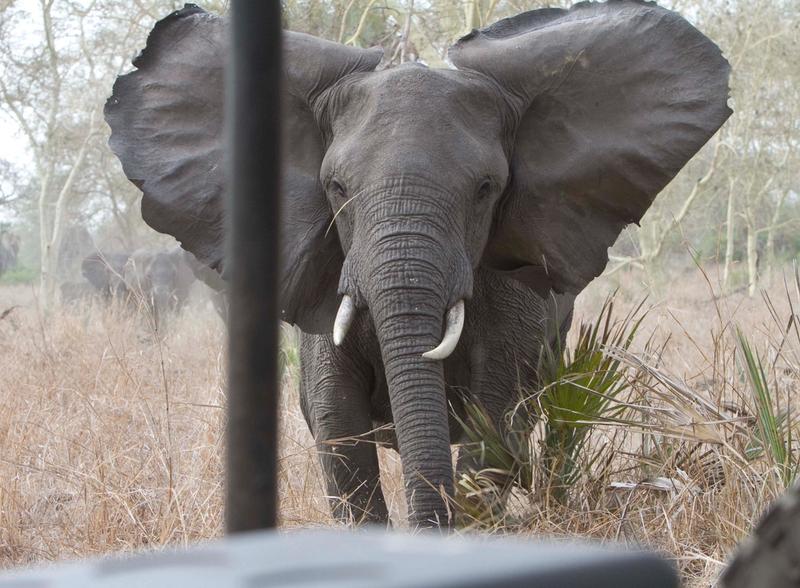
"A Culture of Aggression: The Gorongosa Elephants’ Enduring Legacy of War” is published in the journal Pachyderm. The study shows that the Mozambican civil war reshaped Gorongosa’s elephant society, fostering elevated aggression toward vehicles that has persisted long after the violence against elephants ended. It suggests that these behaviors are culturally learned and socially transmitted across generations, revealing how human warfare can alter the cultural fabric of elephant populations.
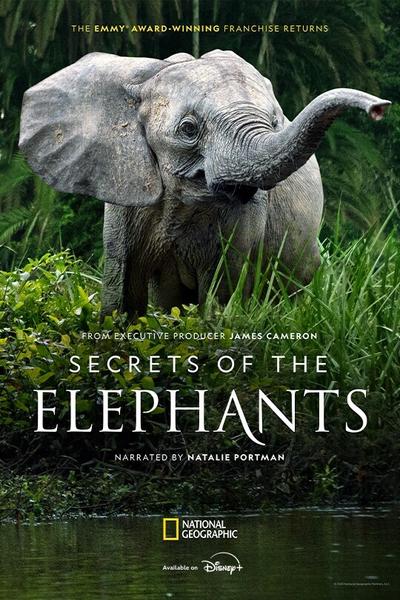
Joyce features in the National Geographic Emmy nominated documentary series, Secrets of the Elephants, Executive Produced by James Cameron. Her brother, Bob Poole is Director of Photography. The series explores elephants across four habitats - savannah, forest, desert, and Asia. Joyce appears on-screen in the savannah episode, and ElephantVoices contributes the elephant voices and their placement for the desert and savannah episodes.
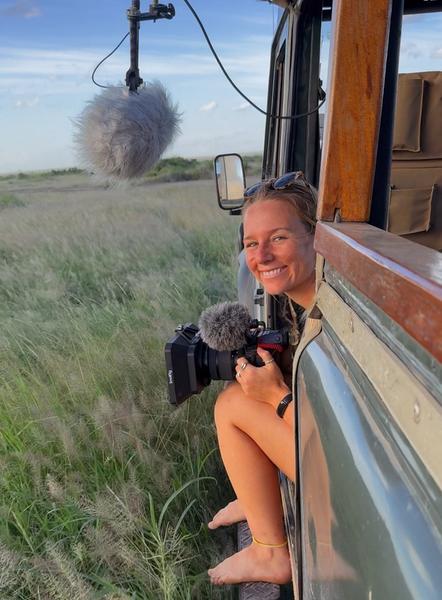
Selengei joins ElephantVoices as Communications Manager.
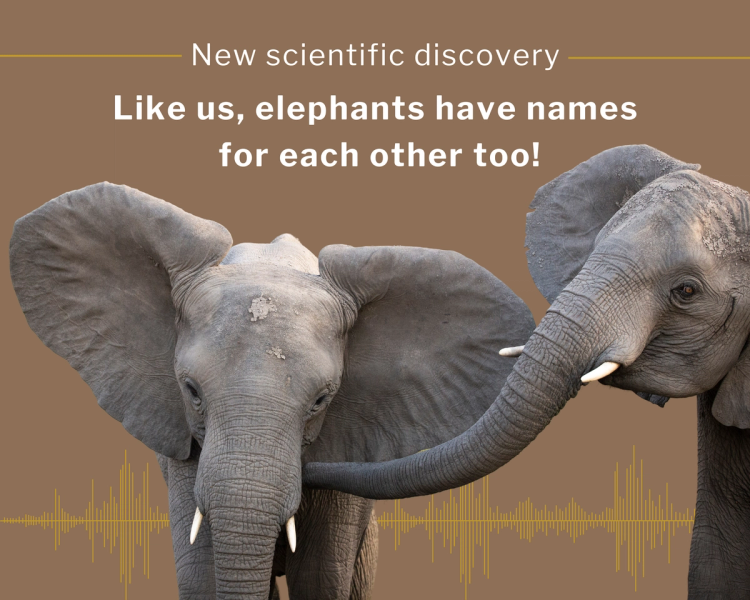
“African Elephants Address One Another with Individually Specific Name-Like Calls,” is published in the journal Nature Ecology & Evolution. This groundbreaking study by Save the Elephants, Colorado State University, and ElephantVoices reveals that elephants use “names” to address one another. The study provides unprecedented insights into animal cognition and the evolution of language.
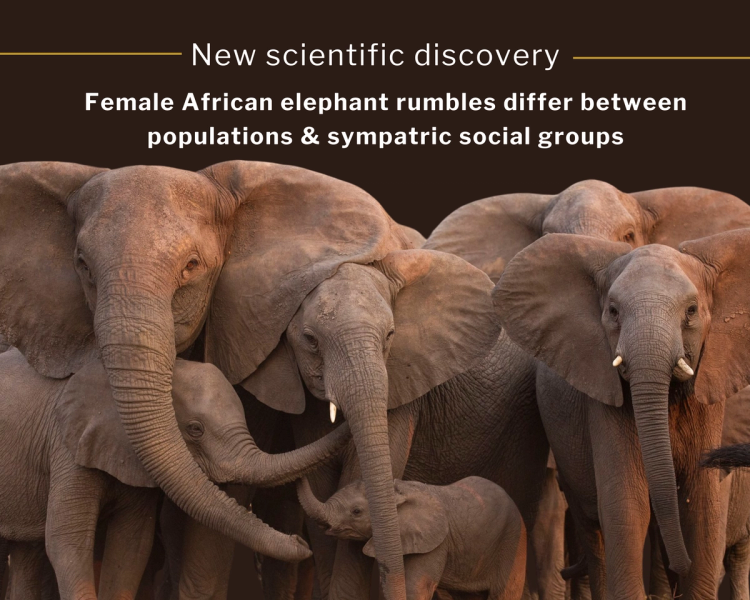
“Female African elephants rumbles differ between populations and sympatric social groups" is published in the Royal Society. Led by Dr Mickey Pardo a team of scientists from Colorado State University, ElephantVoices, Save The Elephants and Amboseli Trust for Elephants find clear evidence of vocal distinctiveness between individual elephants as well as between two populations. Furthermore, they found evidence for more subtle vocal differences between social groups within a population.
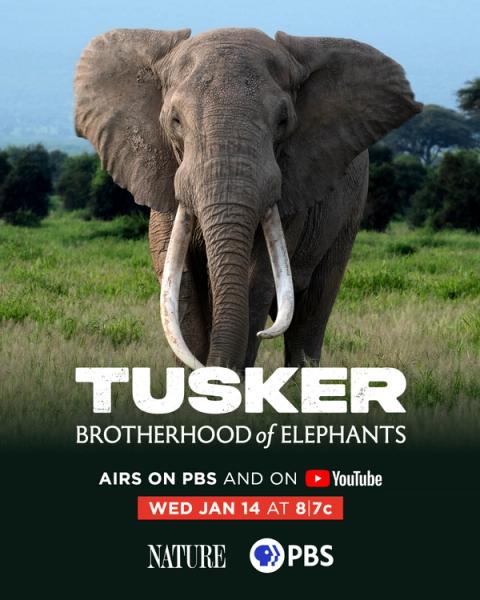
Tuskers: Brotherhood of Elephants is aired on PBS Nature. The film documents the lives of male elephants in Amboseli and was filmed and produced by a family team: Bob and Gina Poole and Tom Stafford are the cinema photographers; ElephantVoices, Selengei Poole is behind the scenes camera and Associate Producer and Joyce Poole contributes the elephants’ voices.
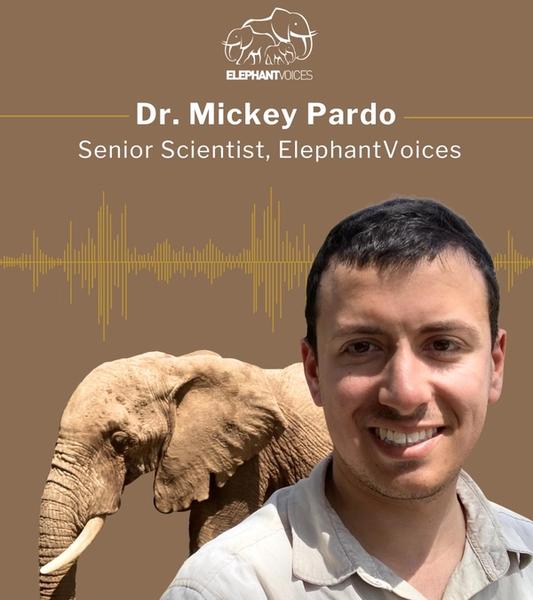
Dr. Mickey Pardo joins ElephantVoices as Senior Scientist.
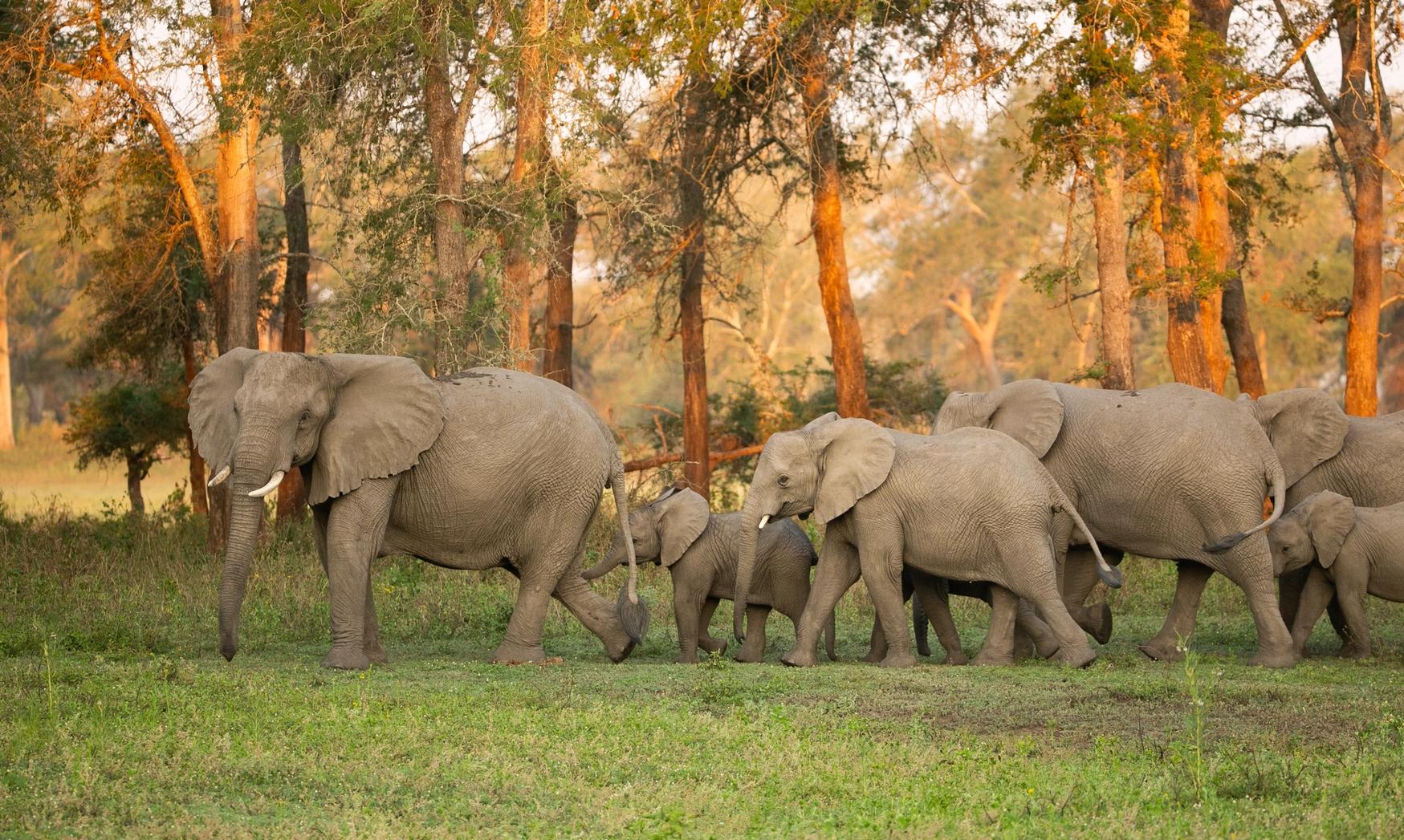
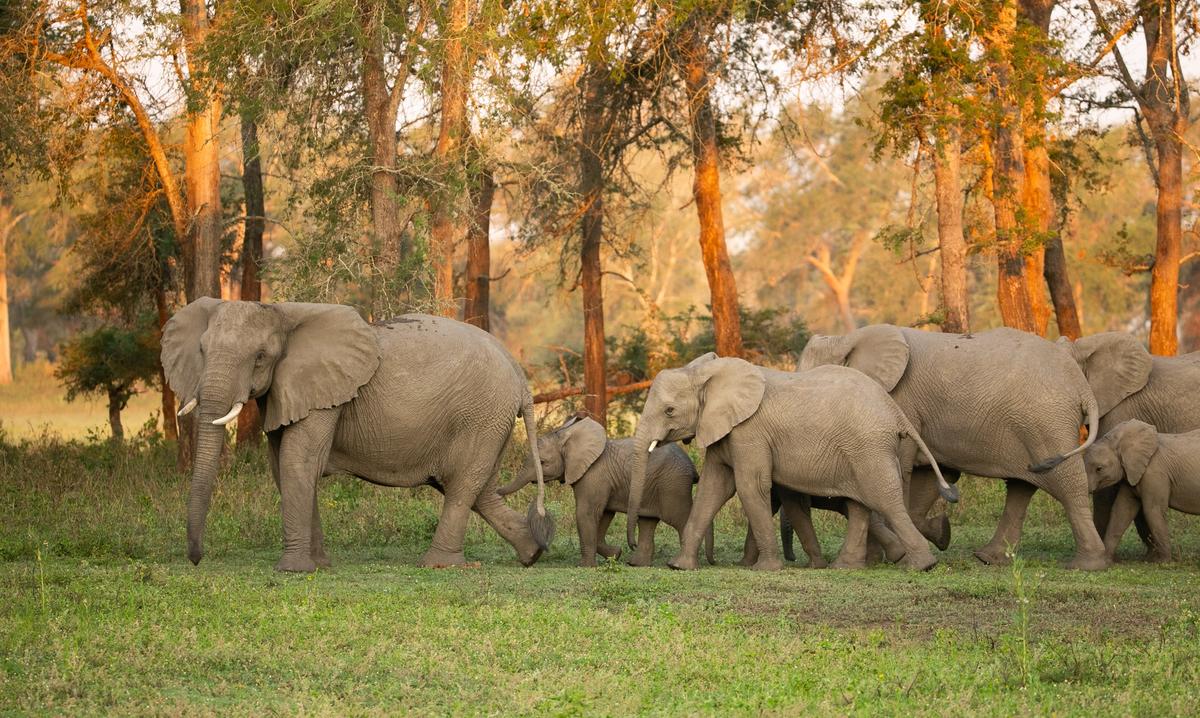
The largest video and audio library of elephant behaviors.