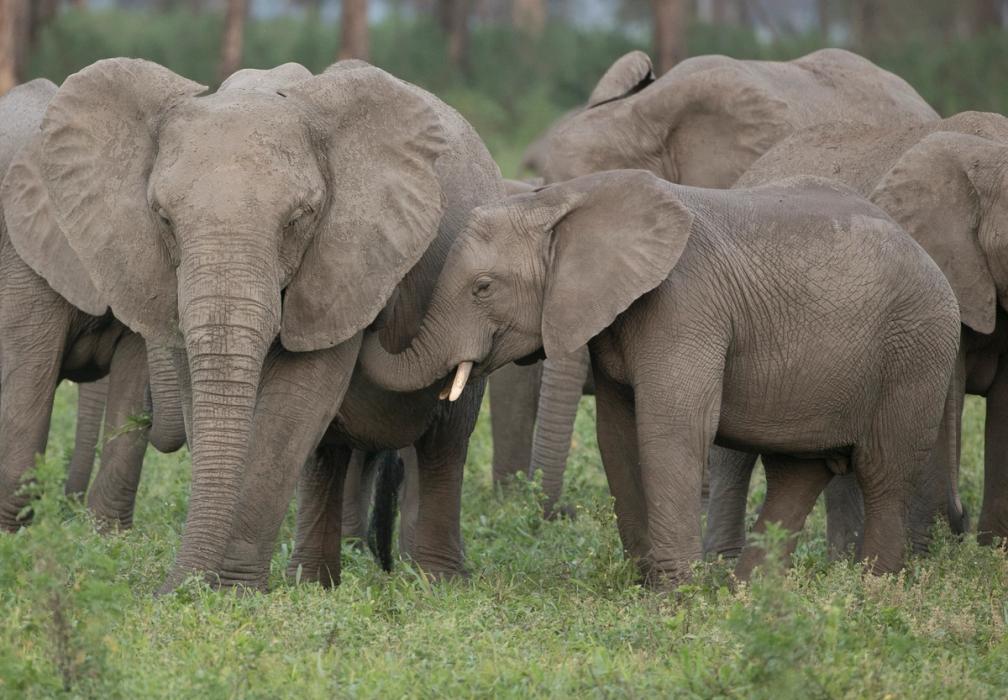
A baby elephant nursing from an adult elephant.

Updated 09.06.2026


A close-up of an African elephant's head, showing its large ears, trunk, and prominent tusks.

In the Media

Elephants May Have Names, And AI is Helping Us Hear Them

Mark Derho writes about our 2024 discovery that African savannah elephants use individually specific vocal labels when addressing one another. You can access the paper via ElephantVoices Publications.

Stylized pink brain with glowing neural networks and text: Sentience with Daniel Toker.

In the Media

Do Elephant Have Names?

In this episode of Sentience Daniel Toker interviews ElephantVoices Senior Scientist, Dr. Mickey Pardo, about the inner lives of elephants and other animals and reflects on how this might change our relationship with them. "What if we’ve been dramatically underestimating what it’s like to be another animal? In this episode of Sentience, animal cognition researcher Mickey Pardo, PhD takes us inside the minds of other animals—from woodpeckers that track relationships between other birds to elephants that appear to use name-like calls to address one another. We explore how scientists can investigate the private mental lives of animals, what the famous mirror test actually tells us about self-awareness, and why humans have repeatedly moved the goalposts whenever another species demonstrates an ability we once thought was uniquely ours. We also dive into the future of animal communication: could AI uncover hidden patterns in the vocalizations of elephants, dolphins, and whales that humans have completely missed? And if animals have richer inner lives than we've assumed, what does that mean for how we understand intelligence, consciousness, and our relationship with the other minds sharing the planet with us?"

BBC 'Between The Ears' program page for 'Elephant Voices', with a listen button.

In the Media

Elephant Voices, BBC Radio 3 Between the Ears

(Only available for UK listeners) In Between the Ears: Elephant Voices, science journalist Laura Spinney explores a unique archive of elephant calls and behaviour with its creator, Joyce Poole, a world authority on elephant communication. They listen to moments of birth, joy, mating, danger and death from the perspective of the elephants – as well as hearing Joyce's field note recordings from her studies. Elephant Ella is in labour and her family are trumpeting and rumbling in ceremony. Angelina watches in despair as one of her twin calfs floats seemingly lifeless down a stream. Edwina goes missing whilst her family call for her. Toni grieves over her dead calf. And is Malaika really mimicking a truck? This is elephant domesticity in audio form, except that there is nothing domesticated about these elephants. They belong to one of the 60-odd families who roam wild in Kenya's Amboseli National Park, and whom Joyce Poole has studied and recorded for nearly 50 years. The clip belongs to a remarkable online archive of elephant calls and behaviour, the Elephant Ethogram, that she and her husband Petter made public in 2021. The Amboseli Elephant Research Project founded by Cynthia Moss in 1972 and still run by her is the longest running of its kind, and much of what we know about elephant communication comes from it. It's thanks to Ella, Angelina, Edwina, Toni, Malaika and their families that we know elephants can communicate over staggeringly long distances, using beautiful, body-shaking calls below the audible range, that elephants address each other by name - being of the very few species besides humans to do so. Joyce Poole in conversation with Laura Spinney Music Composed by Nick Romero Flute - Carla Rees Producer Julian Mayers A Yada-Yada Production

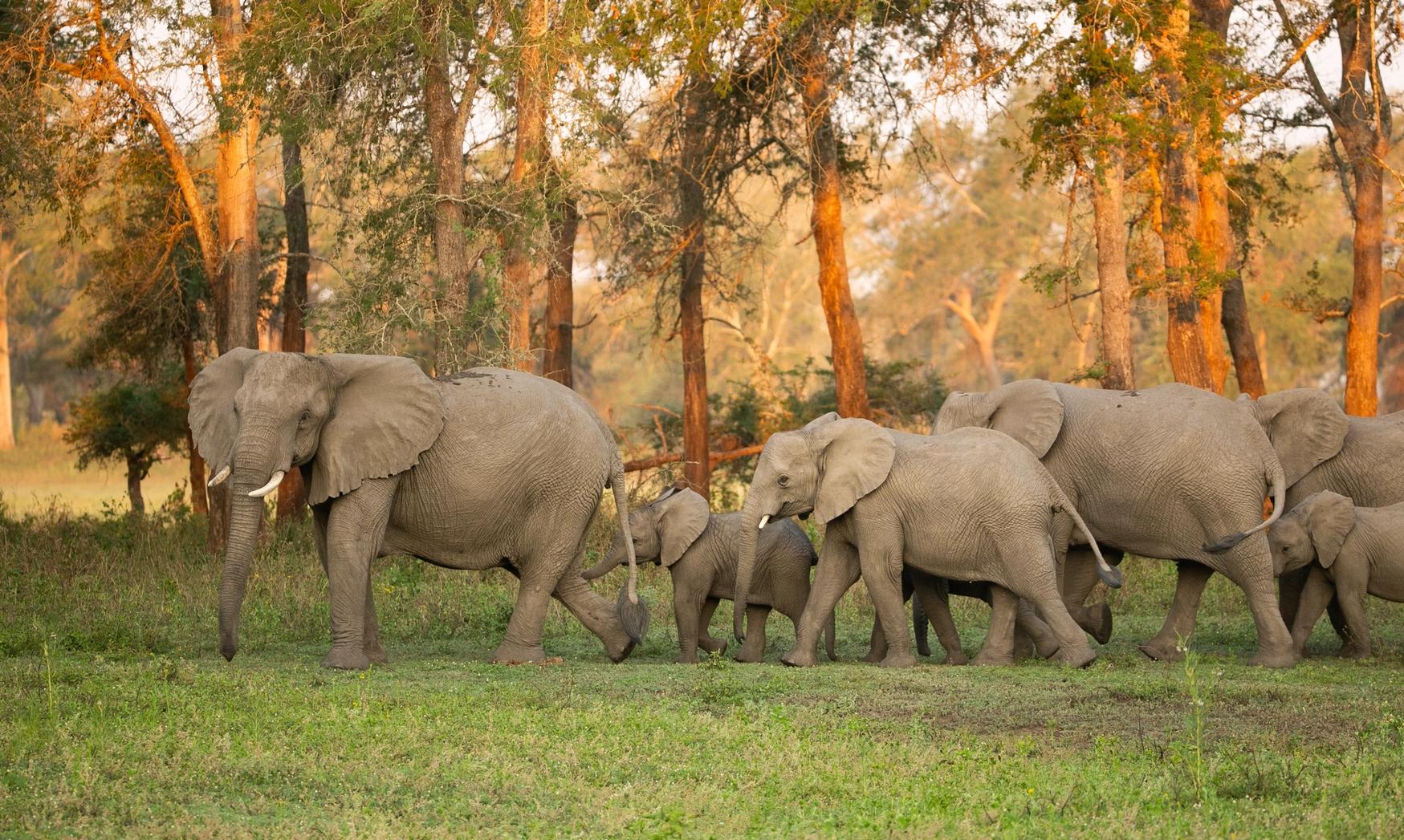
A herd of elephants with adults and calves walks through a grassy field with trees in the background.


The largest video and audio library of elephant behaviors.

Explore The Elephant Ethogram