
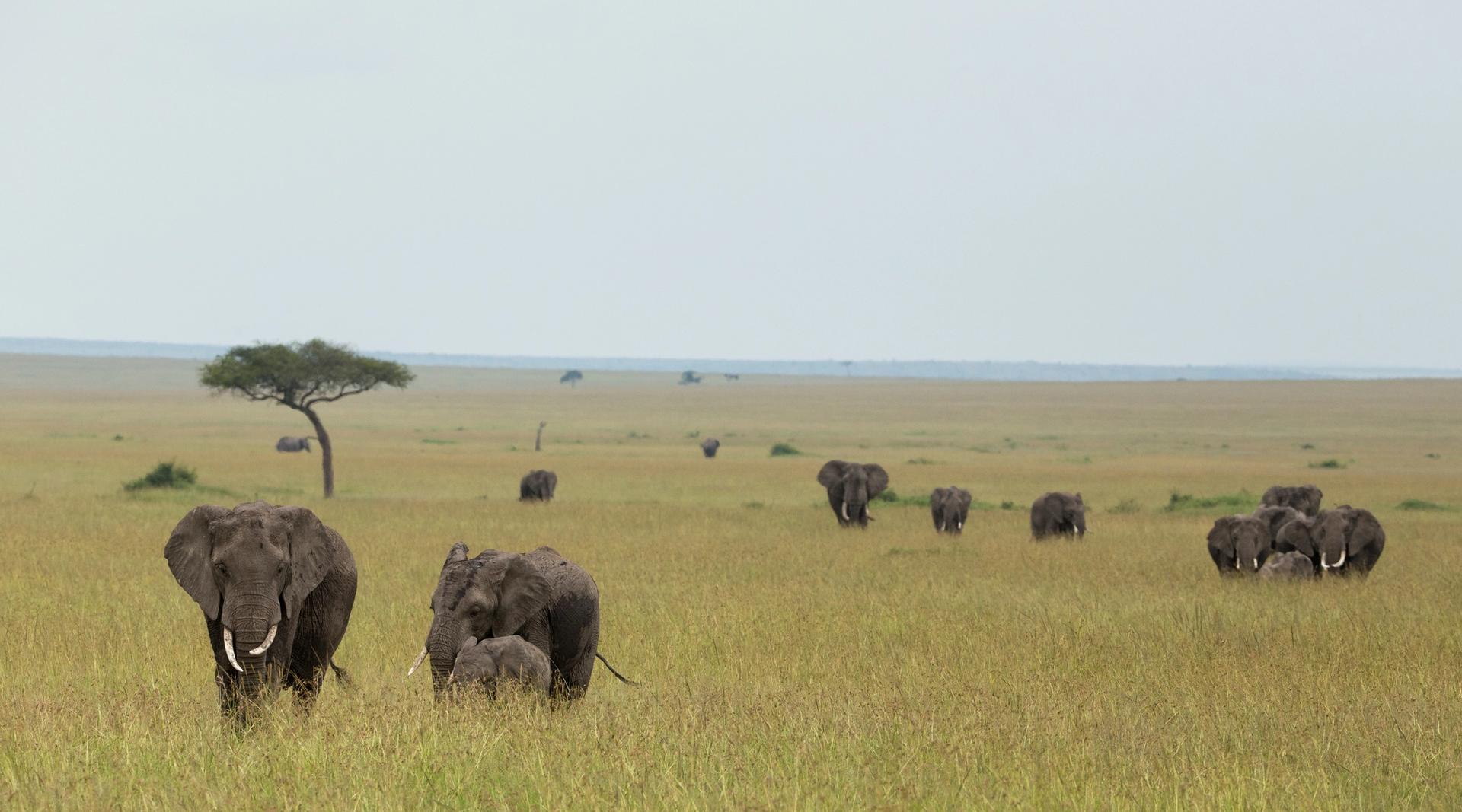
The Maasai Mara is a living mosaic of savanna grasslands, acacia woodlands, rivers, forests, and iconic wildlife migrations, with Maasai livestock and stewardship and elephants central to the functioning of the ecosystem.
Between 2011 and 2016, ElephantVoices worked across this landscape launching a pioneering citizen-science project that tracked individual elephants, mapped critical corridors, and helped shape lasting plans to protect the Mara’s connectivity and future.
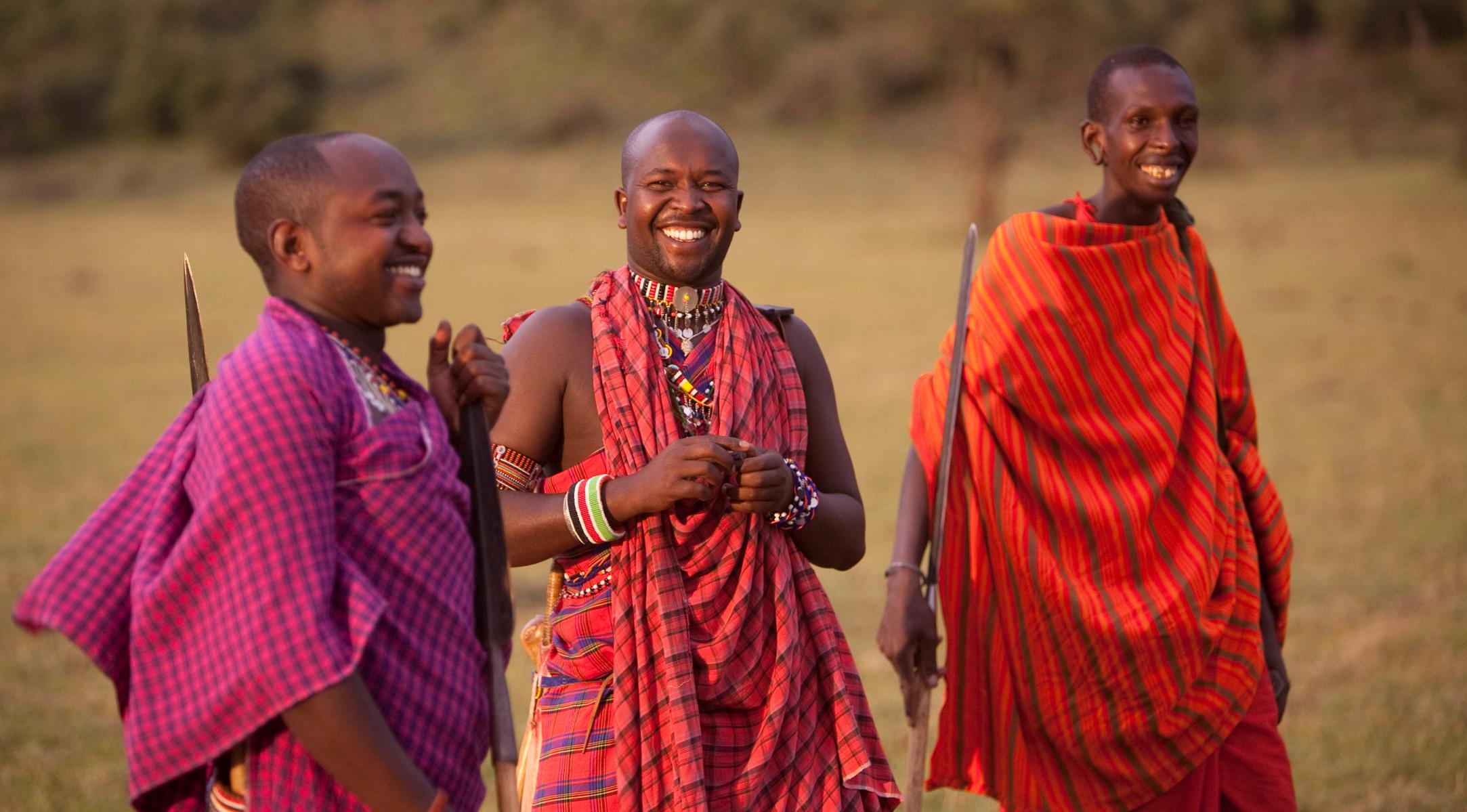
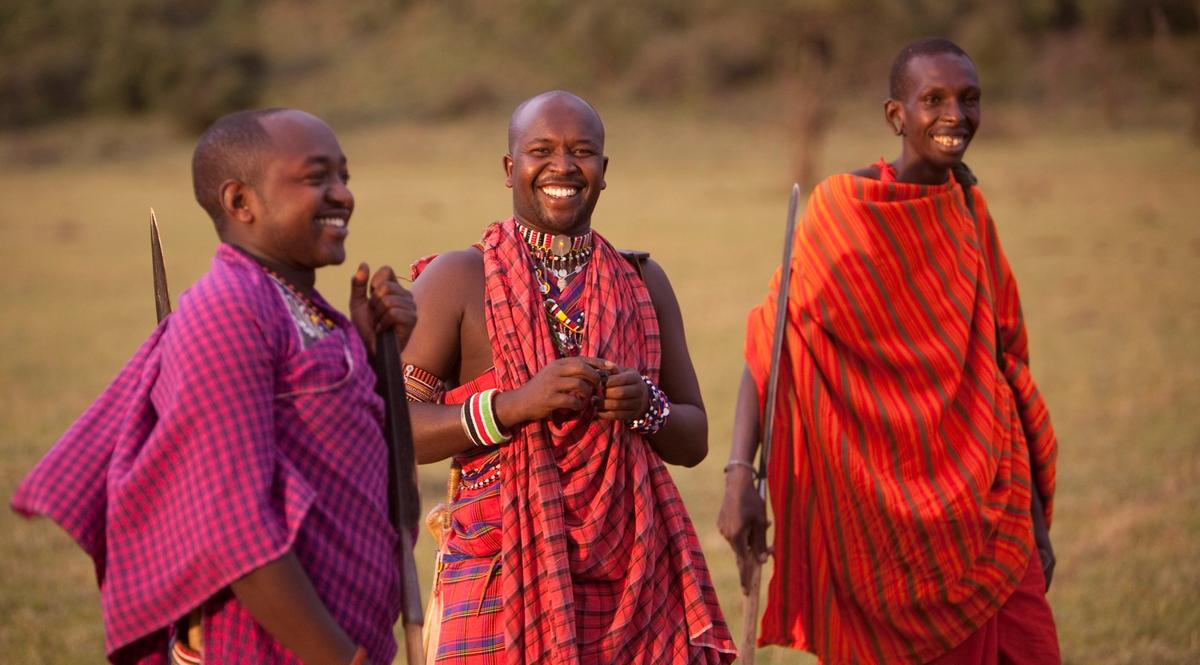
In early 2011, ElephantVoices launched a citizen science elephant conservation project in the Maasai Mara ecosystem. Known as Elephant Partners our goal was to develop a model for citizens — guides, scouts, researchers, photographers, tourists, residents of the Maasai Mara — to monitor and protect elephants. The concept was to connect individual people with the lives of individual elephants. Through social and educational media, our intention was to build a community sharing knowledge of the Mara elephants and working together to protect them.
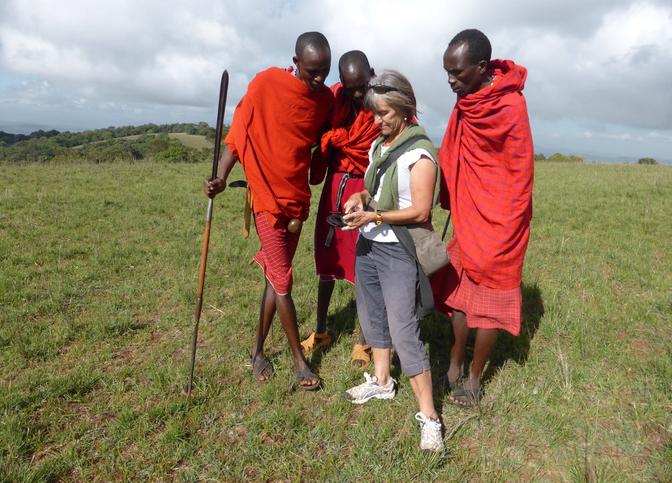
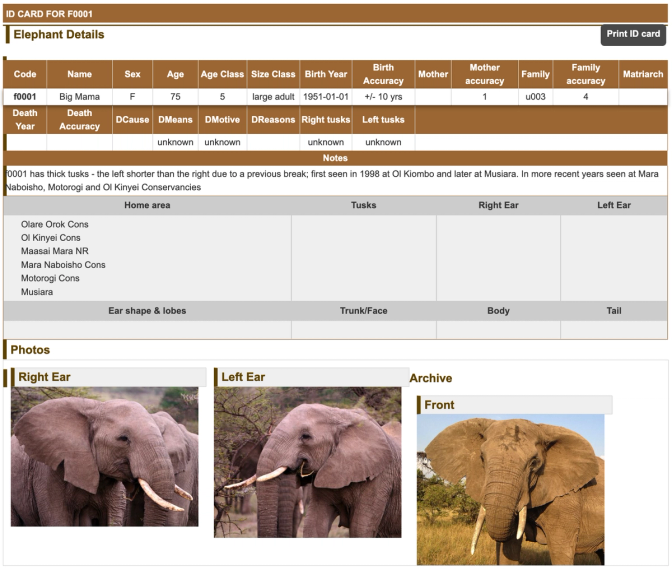
To accomplish our work, we built a fully searchable online elephant ID database for storing information, photographs and identifying features of each elephant — the Mara Elephant Who’s Who and populated it with photographic records contributed by many people residing in or visiting the Maasai Mara.
In August 2013, National Geographic and other media covered the launch of this innovative resource for collaborative conservation. We also produced online slideshows explaining how to ID African elephants.
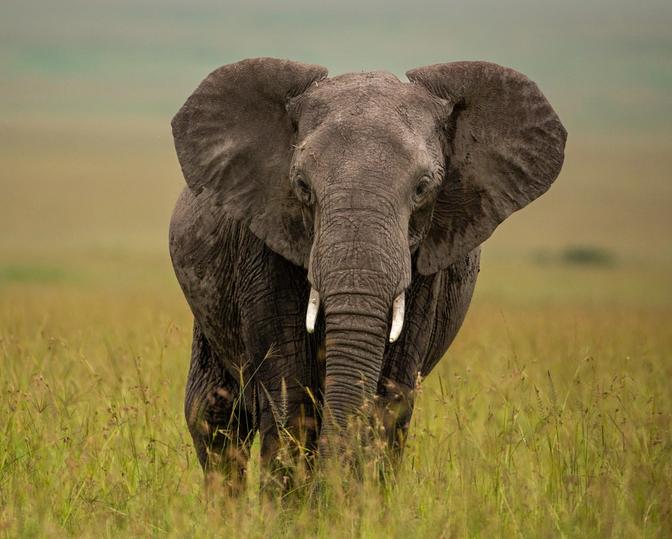
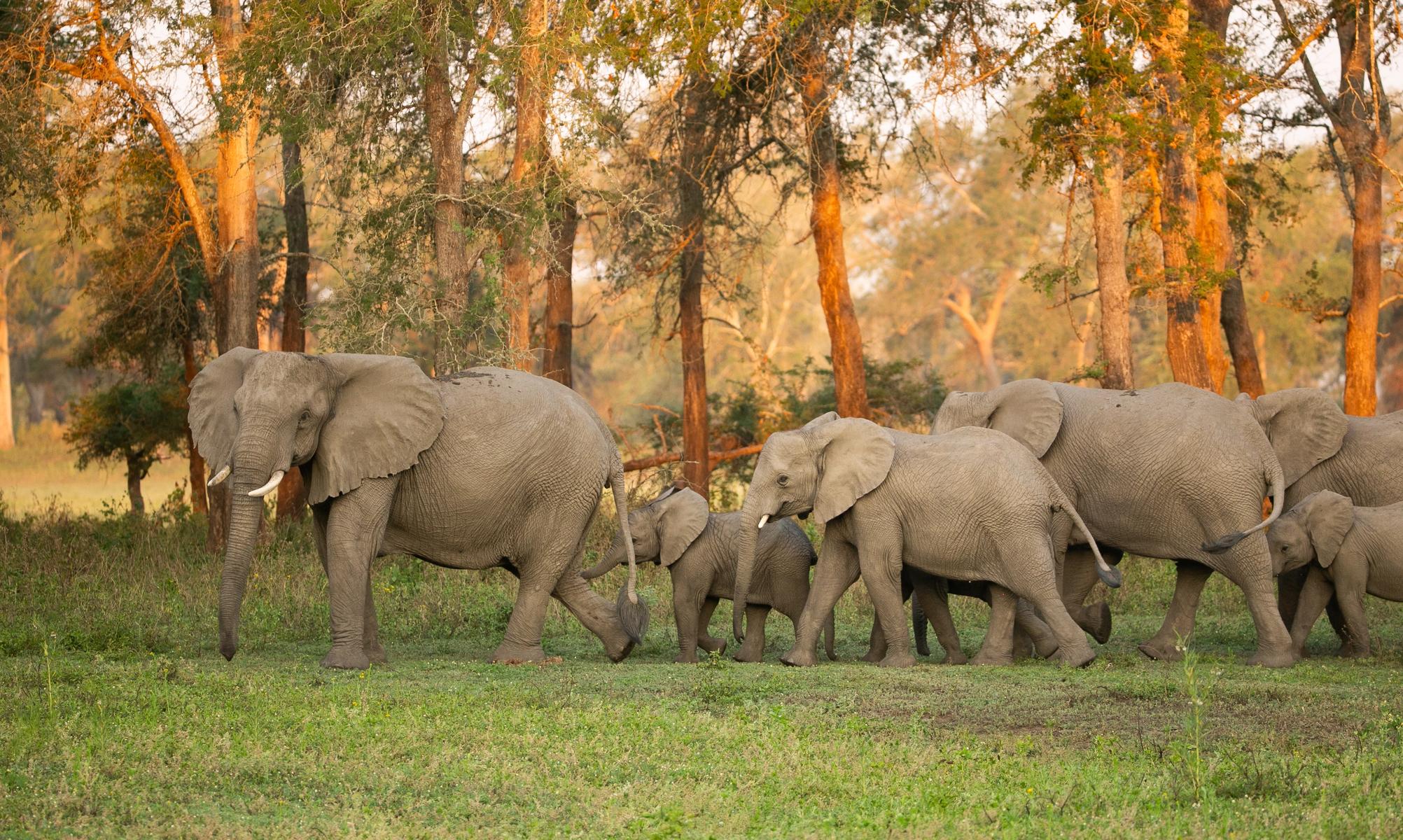
As an iconic landscape species, elephants are vital to the survival of the Mara. They play a key ecological role and, through tourism, contribute significantly to the local economy. Their great size, sociality, intelligence, and charisma make them ambassadors for countless other threatened species.
Our work documented the serious threats facing Mara elephants — rapid habitat loss, human-elephant conflict, fencing, and ivory poaching — and how elephants are responding to these pressures. The future of the Maasai Mara and its wildlife is at stake, and elephants are central to the ecosystem’s resilience.
While ElephantVoices is no longer active in the Mara, Gini Cowell and the team at Elephant Aware continue to monitor elephants on the eastern side of the ecosystem, making use of the Who’s Who and Whereabouts databases in their work. The Mara Elephant Project, likewise, continues to monitor elephants, promote coexistence, and conduct anti-poaching patrols.
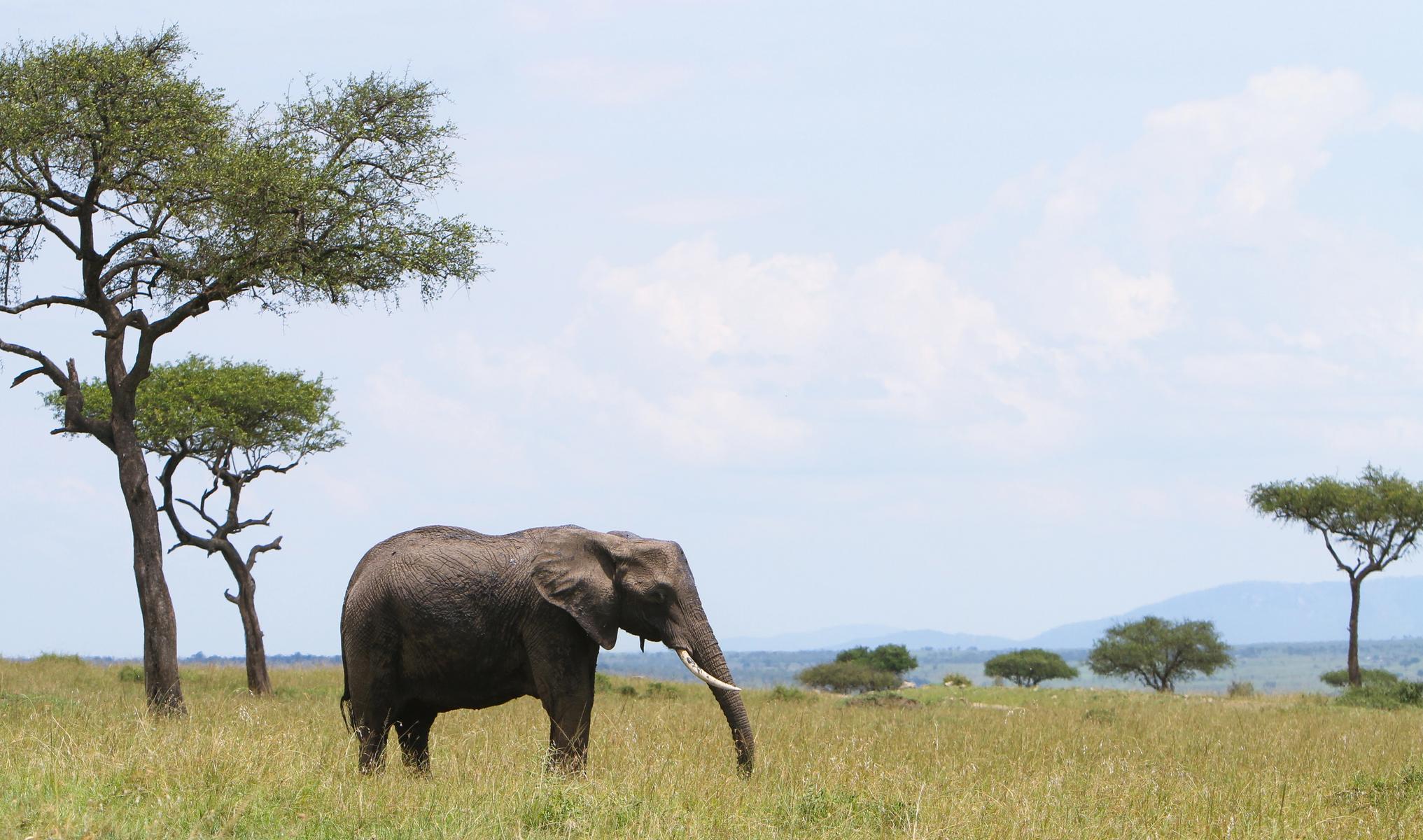
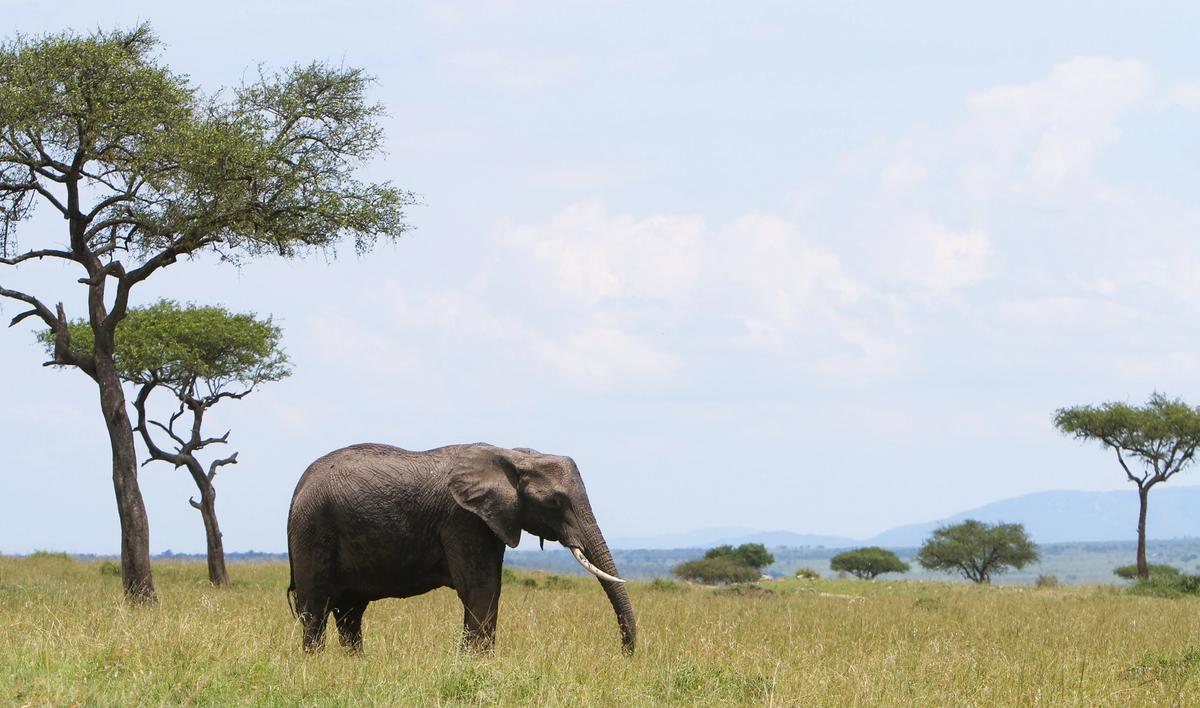
We wrapped up our work in the Mara in mid-2016, ensuring that the conclusions of Elephant Partners were incorporated into national and county-level spatial and development plans. The overarching results of our project are summarized in the collaborative report: Mara Ecosystem Connectivity: Information on Elephant Population Status and Movements for Spatial Planning and Conservation in Narok County.
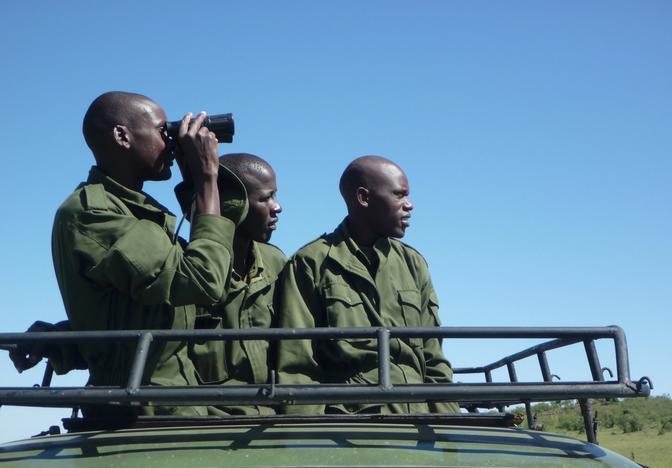
To achieve its vision, ElephantVoices partnered with many entities and individuals: the conservancies (Mara Triangle, Mara North, Lemek, Ol Chorro Oiroua, Enonkishu, Motorogi, Olare Orok, Mara Naboisho, Ol Kinyei, Olderikesi), Kenya Wildlife Service, the Maasai Mara National Reserve, members of the local community, the tourism sector, Mara Elephant Project, Elephant Aware, the Koiyaki Guiding School, and many others.
The project’s collaborative framework set the stage for ongoing partnerships among conservation actors and local communities. These partners continue to monitor elephant movements, mitigate conflict, and implement the spatial and conservation recommendations recommended in the Mara Ecosystem Connectivity report.
We are deeply grateful for all the input and help received during this initiative, and for the many conversations about the Mara’s elephants, their movement patterns, and the challenges and hopes that define their future.
The largest video and audio library of elephant behaviors.