
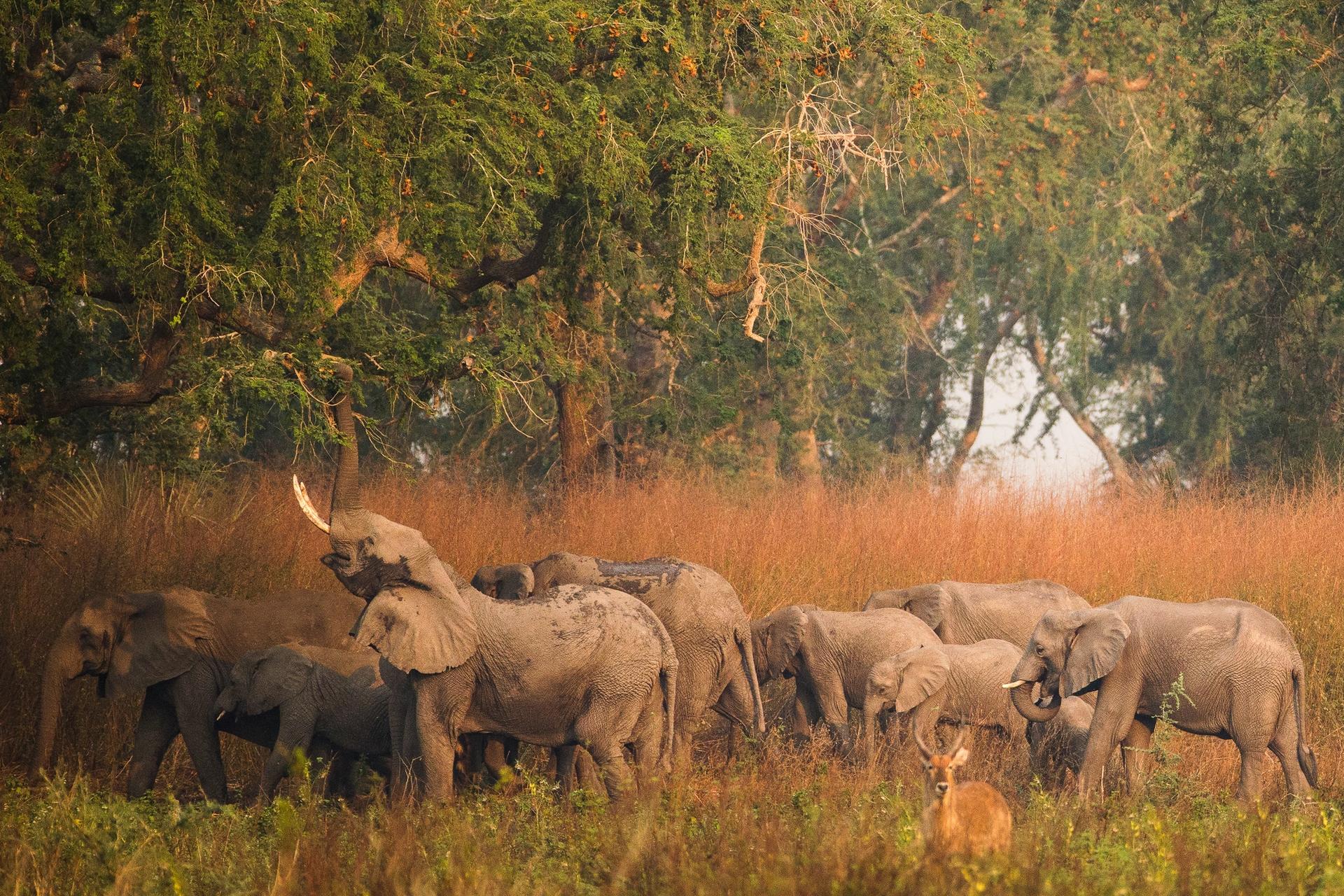
Compassionate Conservation lies at the heart of ElephantVoices’ mission. We recognize elephants as intelligent, socially complex individuals whose lives and relationships matter. Guided by science, empathy, and decades of research, we advocate for policies and practices that safeguard elephants from exploitation and ensure they can thrive in the wild.
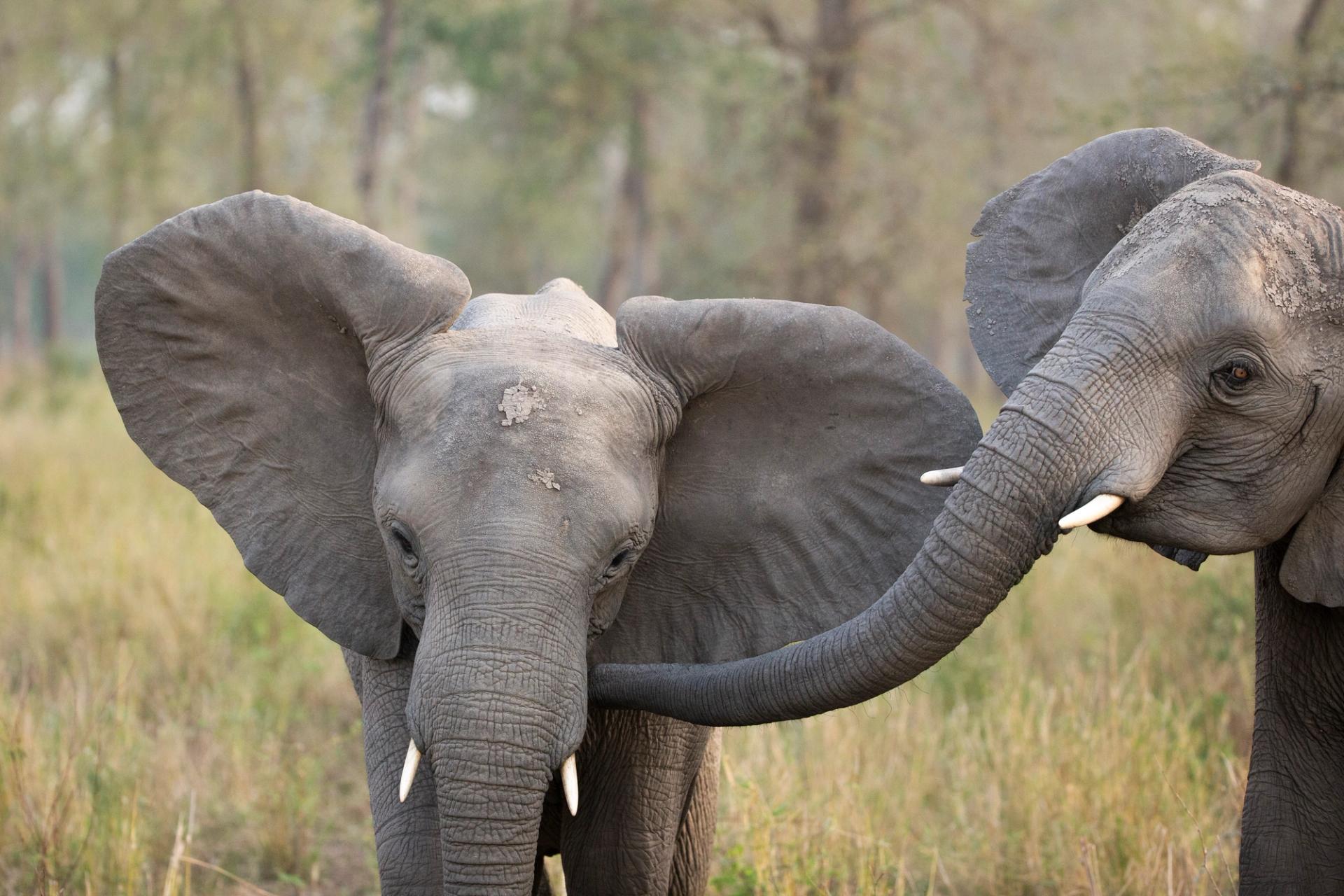
Our conservation ethos is grounded in the understanding that elephants are intelligent, sentient, socially complex beings whose lives, relationships, and cultures matter. It reflects our commitment to ensuring that conservation decisions respect elephants’ autonomy, support their natural behaviors, safeguard their habitats, and promote peaceful coexistence with people. Guided by science, compassion, and knowledge of elephant society, our ethos shapes how we advocate, collaborate, and take action to secure a future in which elephants can thrive - free from harm, disruption, and exploitation.
Decades of studying elephants in their natural habitats has shown that the survival and well being of individuals directly shapes the health of entire societies. In highly social species like elephants, family integrity and the bonds of friendship, mentorship, and care are essential to population well-being. Individual elephants are the foundation of these societies; what happens to one affects many.
Our conservation approach is rooted in long-term research into the voices, behavior, and cultures of elephants. We use our data to advance understanding, to shape conservation policy, to educate, and to advocate.
We look beyond population numbers. By valuing individual lives and considering their experiences, interests, and social relationships, we help secure not only the survival of these remarkable animals, but also the vitality of the ecosystems they shape.
Joyce Poole
We work toward a future when individual elephants, their habitats, and ecosystems are protected and sustained by the care and commitment of individual people, families, and entire communities. In our work we strive to connect elephants and people across borders, building understanding, empathy, and shared responsibility for their survival.
Drawing on decades of research into elephant communication and behavior and years witnessing, firsthand, the suffering elephants endure, we envisioned something along the lines of a Bill of Rights for elephants. In seeking answers to how we should we treat these extraordinarily complex, intelligent, and social beings — and what rights they deserve within our human-centered world — we wrote The Elephant Charter in 2007.
In partnership with the Berggruen Institute we participated in drafting a Multispecies Constitution, an effort to rethink governance in ways that acknowledge the interests of nonhuman beings. Together with colleagues at Animals in the Room, we are exploring a novel framework for addressing human-elephant conflict — one that expands our democratic imagination by considering how animals can participate in, and be represented within, decisions that affect their lives.
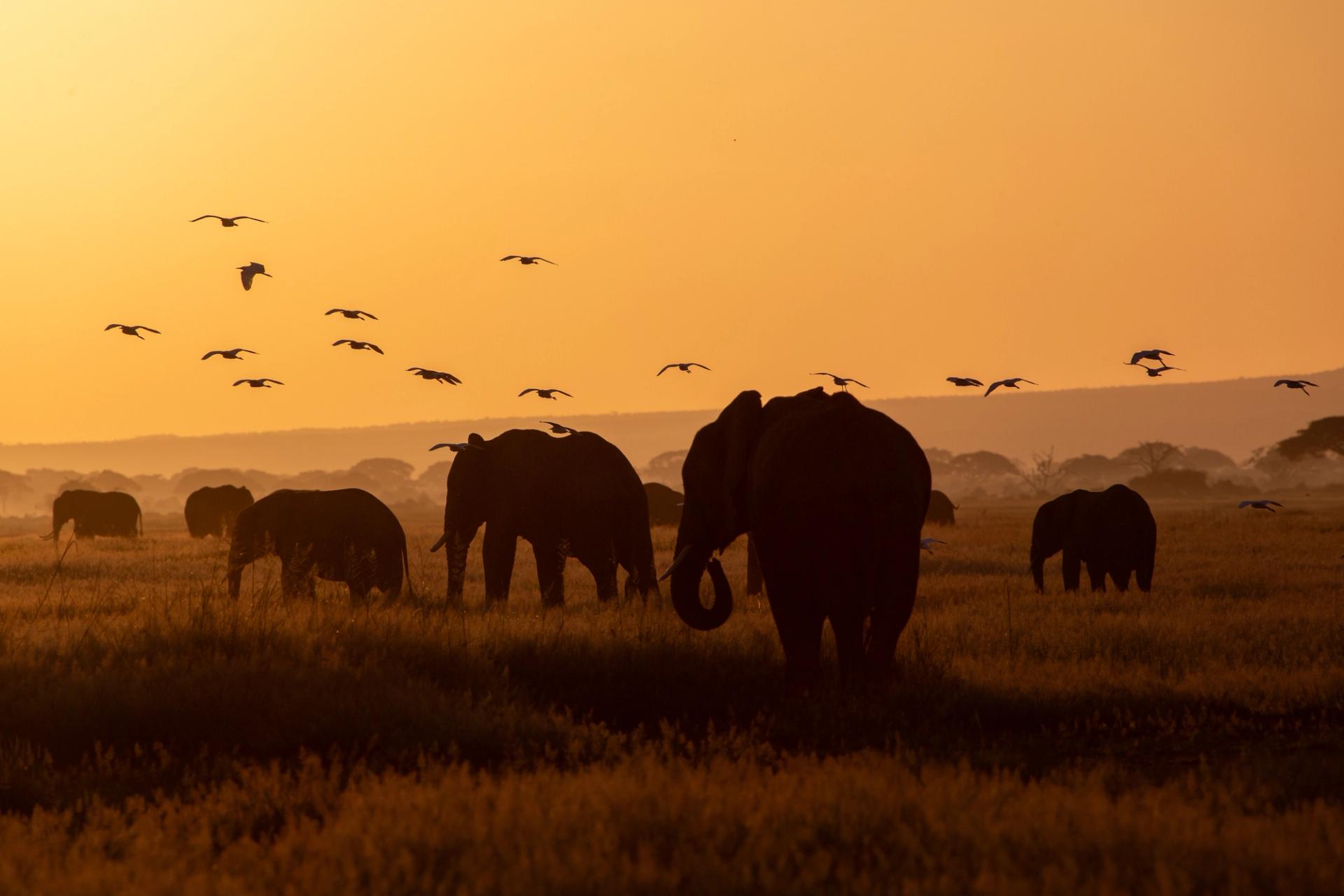
ElephantVoices opposes the captivity of elephants. Through decades of scientific research, observation, and advocacy, we have witnessed how profoundly captivity harms these intelligent, autonomous, and socially complex animals. Elephants evolved to range over vast landscapes, moving for many hours each day as they explore, forage, socialize, and maintain deep lifelong bonds. No captive environment - whether zoo, circus, or other commercial facility — can meet these fundamental biological and emotional needs.
We acted as expert witness for the baby Tuli elephants in a successful cruelty case brought against animal traders in South Africa. We have worked to ban the use of elephants in circuses in several countries, including acting as an expert witness in court against Ringling Brothers Circus in the United States, against Boswell’s Circus in South Africa and partnering with Noah to bring a halt to the display of exotic animals in Norwegian circuses.
We are expert witnesses for the many captive elephants represented by the Nonhuman Rights Project, who are making an elephant case for habeas corpus. This ancient legal writ, intended to prevent unlawful confinement, reflects a simple principle: no autonomous being should be imprisoned without just cause. Our position is clear — elephants, as cognitively sophisticated individuals with distinct personalities, intentions, and preferences, deserve meaningful legal consideration and should not be deprived of their liberty against their will.
We support a future in which live elephants are no longer exhibited for entertainment or display. Zoos can meet education and conservation goals through advanced, interactive, and ethical alternatives — including virtual reality, immersive multimedia, remote camera feeds, and partnerships with field research. Such exhibits can inspire empathy and foster understanding without confining elephants to enclosures that are a fraction of the space they require. For an elephant to thrive, meaningful freedom of movement is measured in scores of square kilometers, not square meters.
Circuses and entertainment industries reduce elephants to objects of spectacle, subjecting them to coercive training, chronic stress, and unnatural, isolating lives. This practice is unjustified and unethical, and we maintain that the use of elephants in circuses, film productions, and all commercial performance should be prohibited.
We recognize and respect cultural traditions that incorporate elephants, but cultural value cannot justify practices that cause suffering. Modern scientific knowledge makes clear that the treatment of ceremonial and working elephants must be fundamentally re-evaluated and dramatically improved, with the well-being of each individual at the center of all decisions.
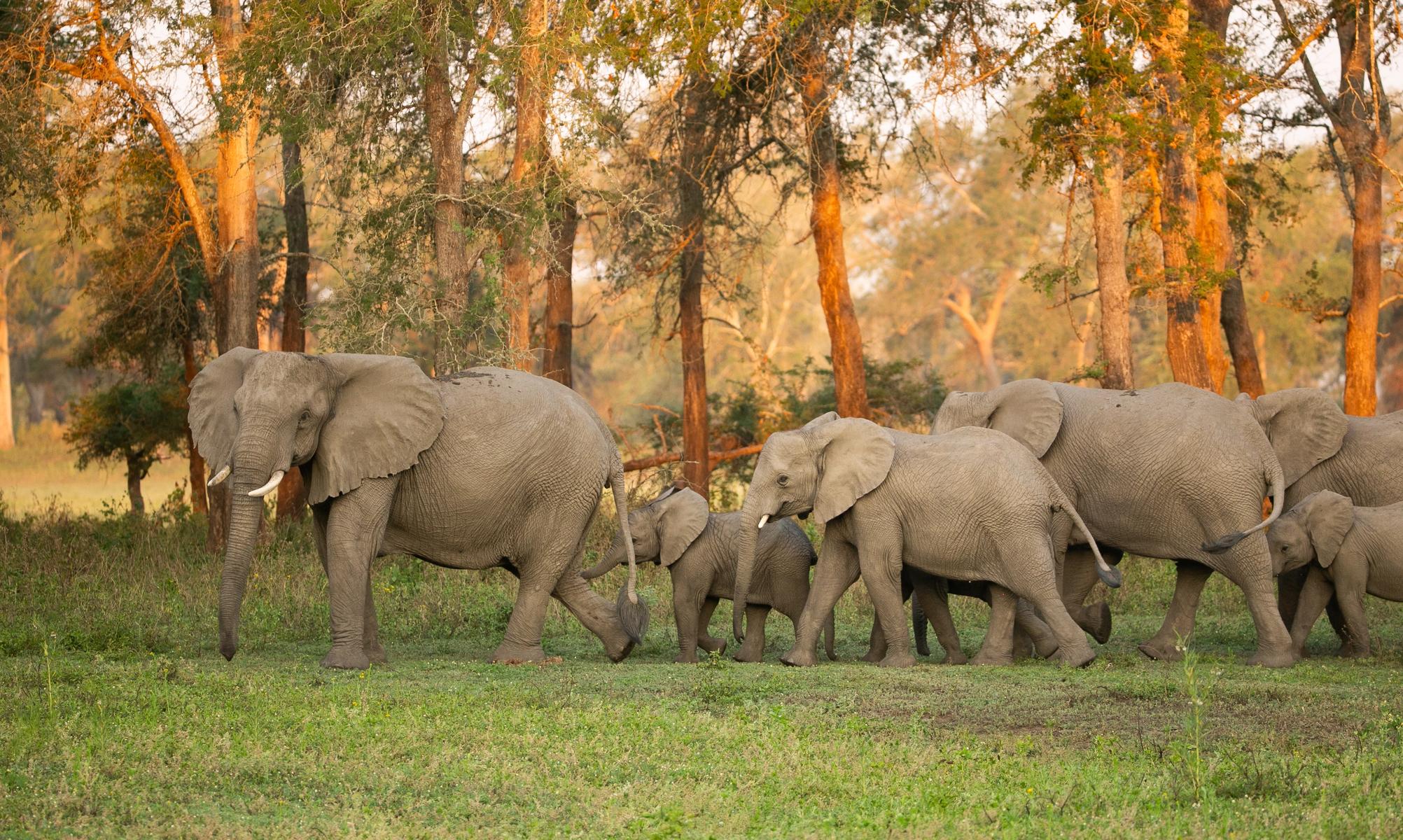
The largest video and audio library of elephant behaviors.