
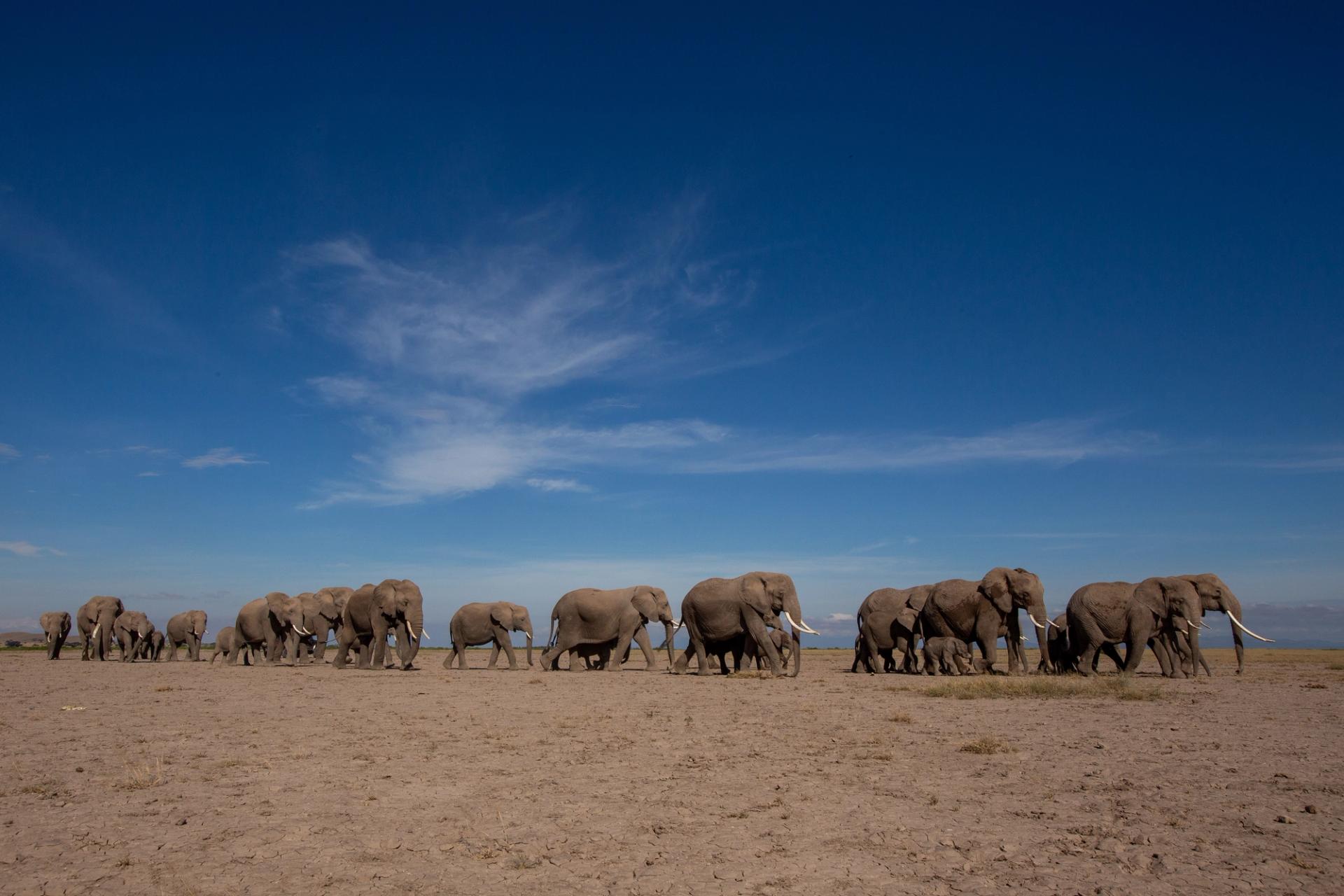
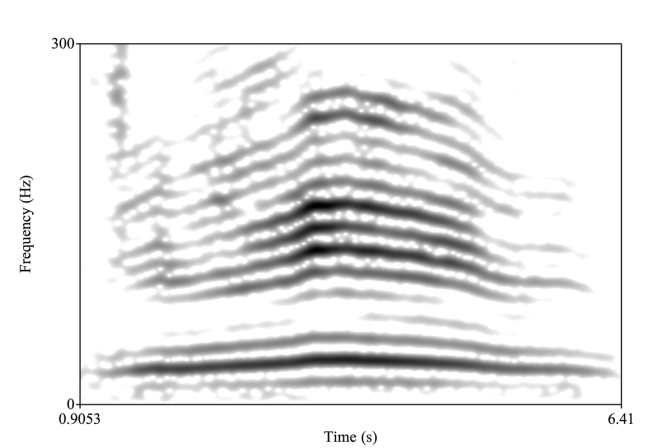
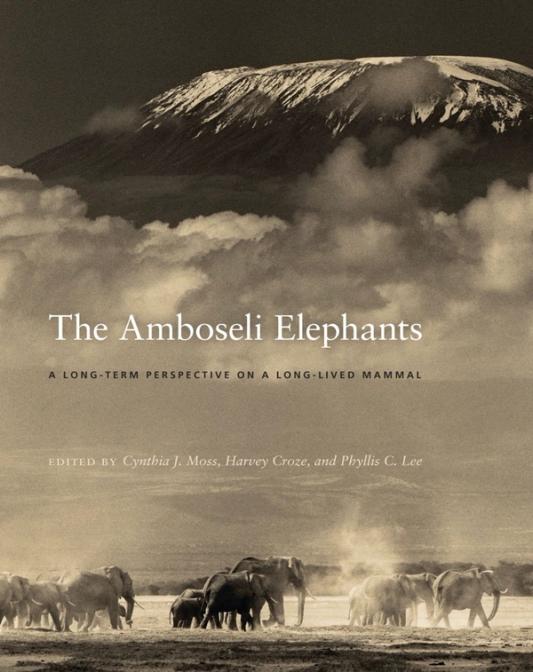
In the shadow of Kilimanjaro lies Amboseli, one of Africa’s most iconic elephant landscapes. ElephantVoices co-founder Joyce Poole carried out her early, landmark studies on musth and very low-frequency communication here, and our team continues to collaborate closely with the Amboseli Elephant Research Project. Together, these long-term studies have transformed what we know about elephant society-from musth to infrasound and beyond — reshaping elephant science and conservation.
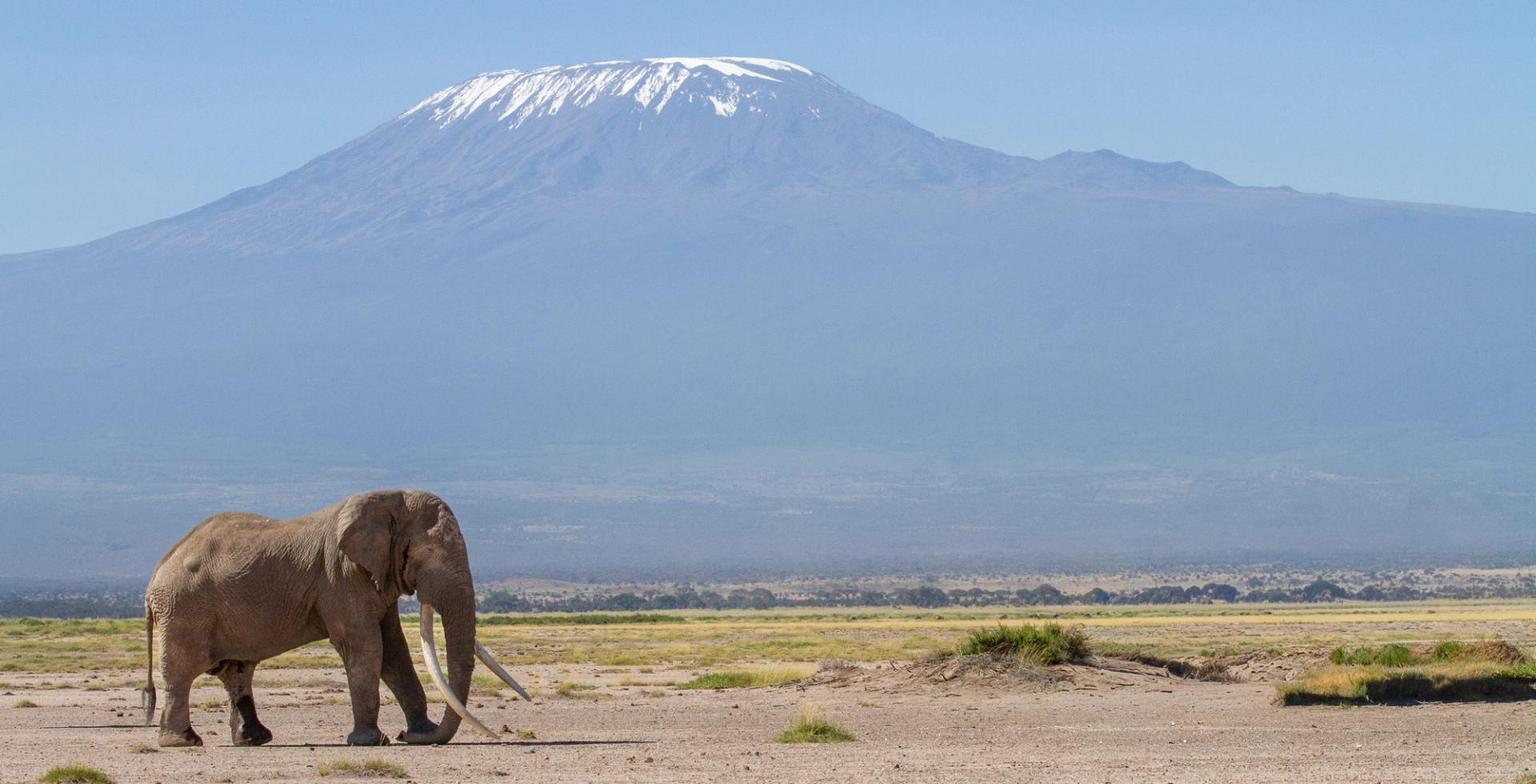
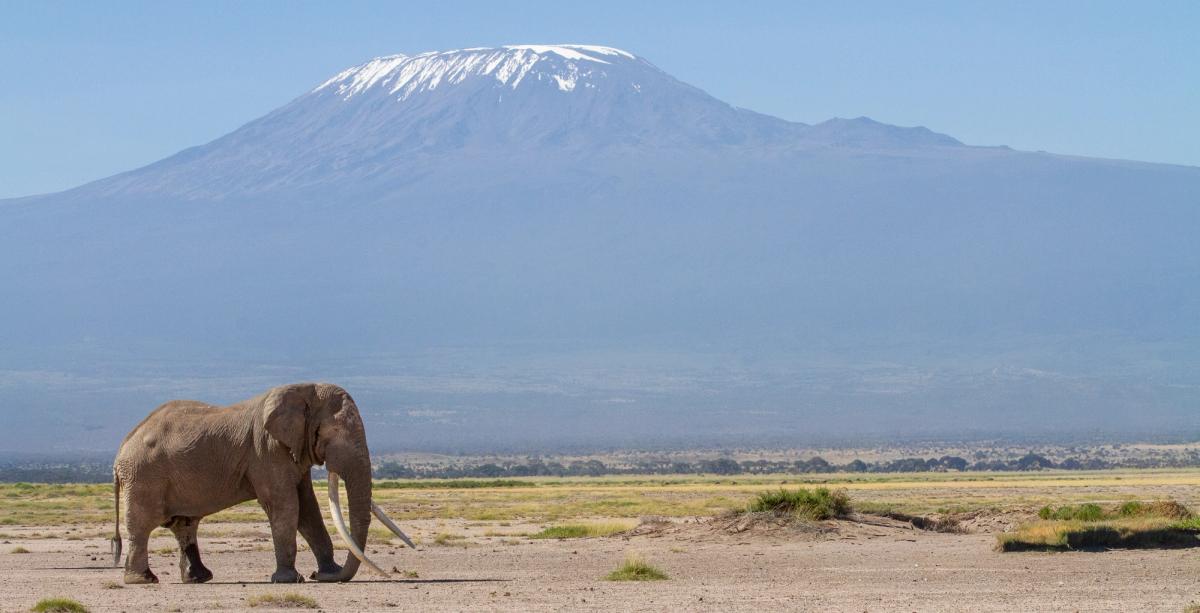
Amboseli is a small national park in southern Kenya measuring only 392 km². The southern boundary of the park lies less than 5 km from the Tanzanian border at the base of Africa's highest mountain, snow-capped Kilimanjaro. The name Amboseli comes from the Maasai name, Empusel. The park lies within a Pleistocene lake basin, formed when lava flow from an erupting Kilimanjaro blocked the course of the Pangani River, creating a lake. Over time the lake dried, though the western part of the basin still floods seasonally to form Lake Amboseli. The flat terrain is punctuated by small extinct volcanic vents — Lemomo, Ositeti, Kitirua, Ilmberishari, and Nomatior — while the land rises toward Kilimanjaro in the south.
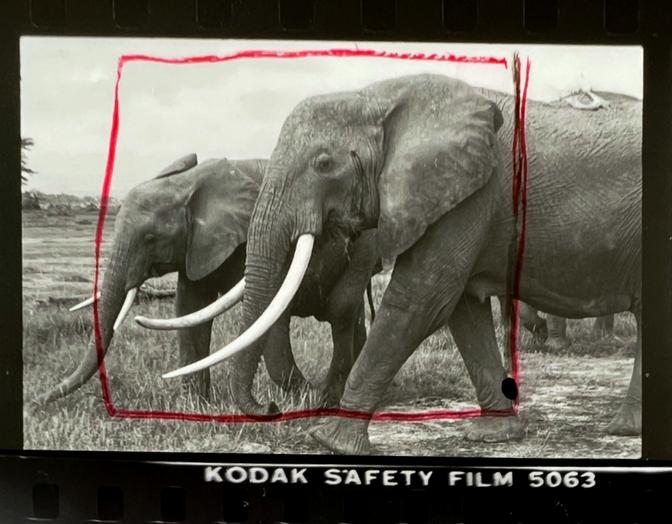
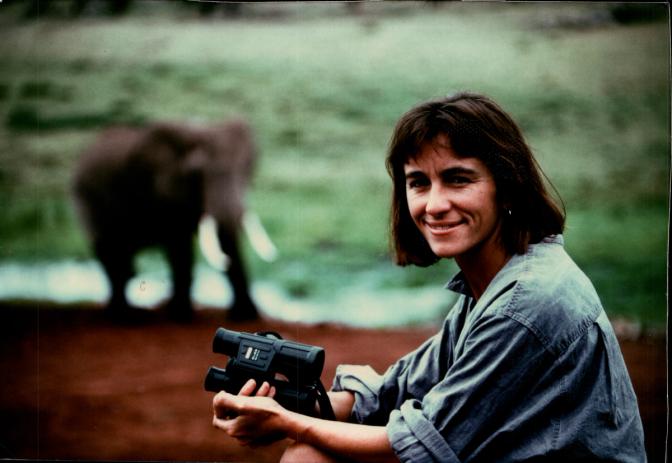
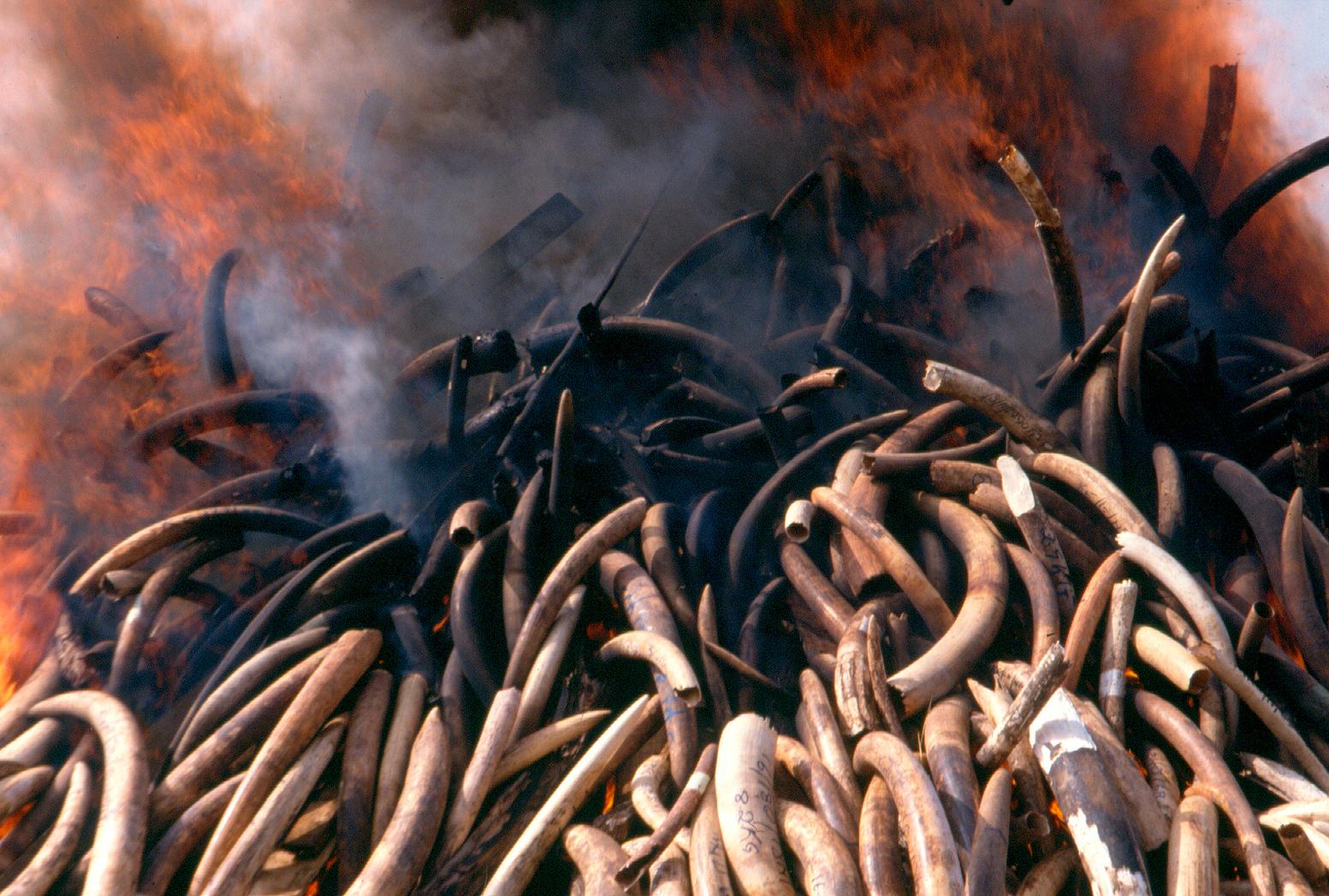
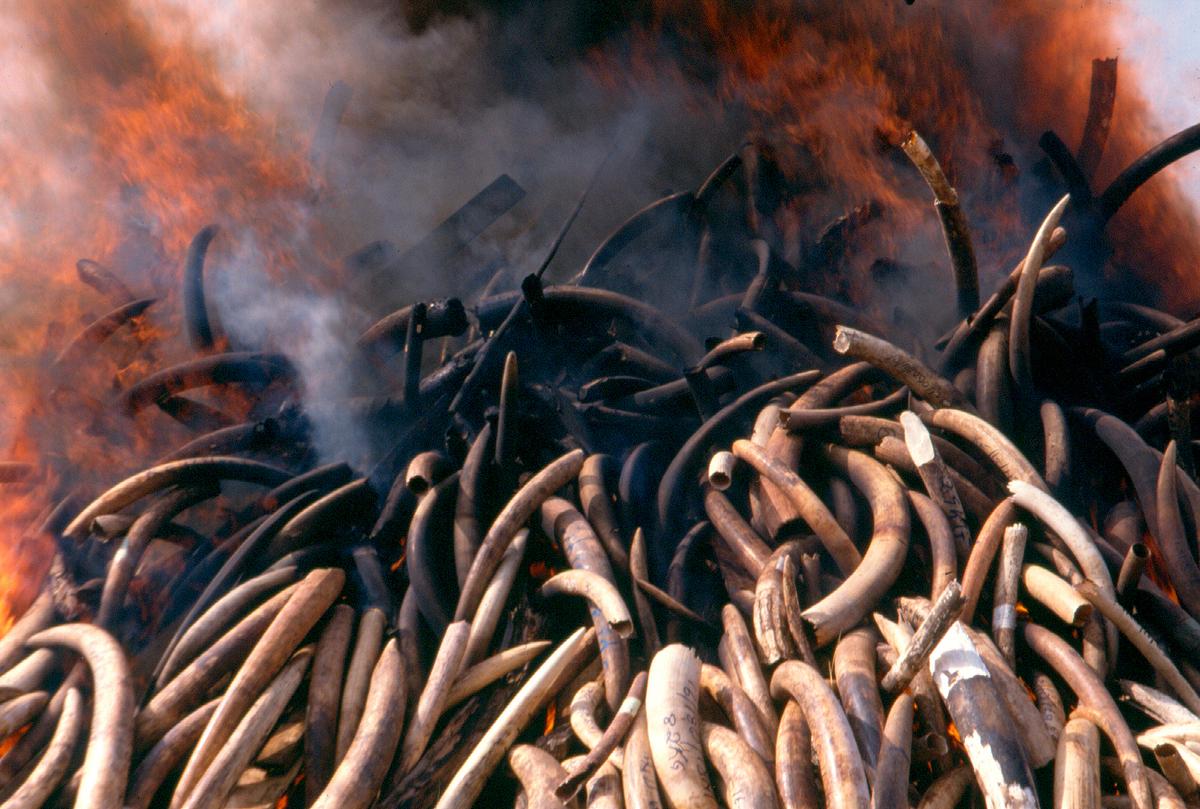
In 1989 Joyce took a break from her communication study to carry out a series of surveys on some of East Africa’s most heavily poached elephants populations - Tsavo in Kenya, Mikumi in Tanzania and Queen Elizabeth in Uganda. She compared data on age and family structure, sex ratios and rates of tusklessness to the relatively protected Amboseli population - showing the immense impact that the killing for ivory was having on elephant society. She published her results as a paper in Oryx and as a report to the Convention on international Trade in Endangered Species (CITES) about the ivory trade. Working together with the Government of Tanzania these data were also incorporated into the country’s proposal to CITES, which helped to place the African elephant on Appendix I and ban the international trade in ivory.
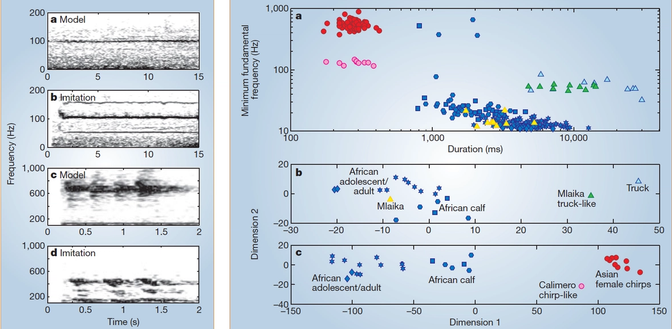
In 1998, the David Sheldrick Wildlife Trust invited Joyce to record the orphaned elephants in Tsavo. There she made the extraordinary discovery that elephants are capable of vocal learning - imitating the sounds of other species and even machines. This work published in Nature in 2005 with colleagues Angela Stöeger, Peter Tyack and Stephanie Watwood, revealed another layer of elephant intelligence and flexibility.
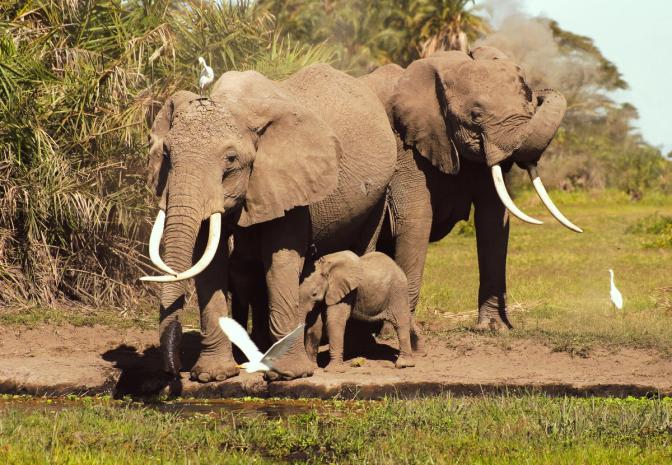
In 1999 Joyce met Petter Granli, who she was to marry in 2002. Joining forces they focused their study of elephant communication on the EB family, led by the famed matriarch, Echo, collecting a large sample size of calls given by known individuals in known contexts. It was during this time that Petter and Joyce founded ElephantVoices, first as a website in 2002 and then as an NGO in 2008.
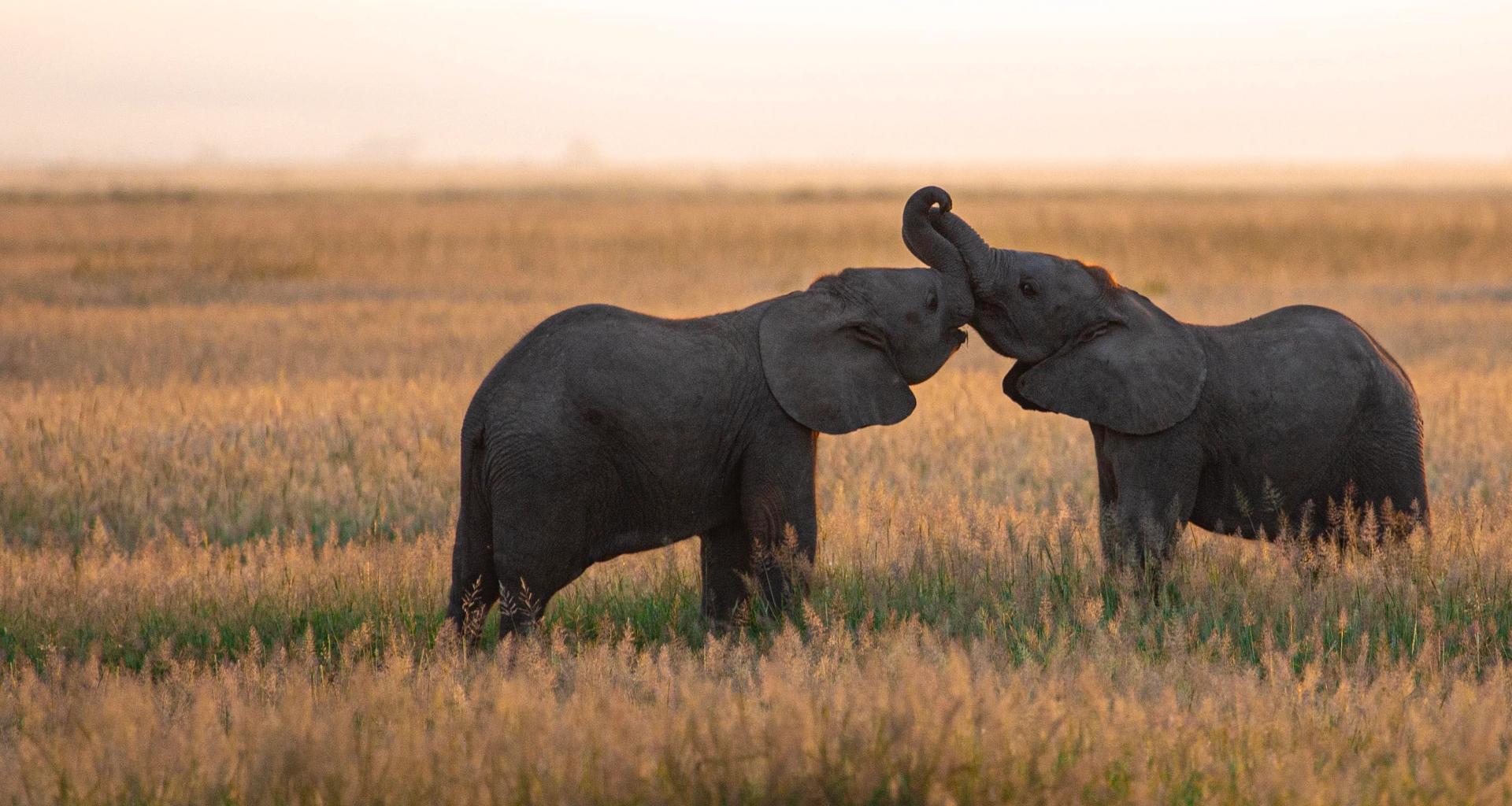
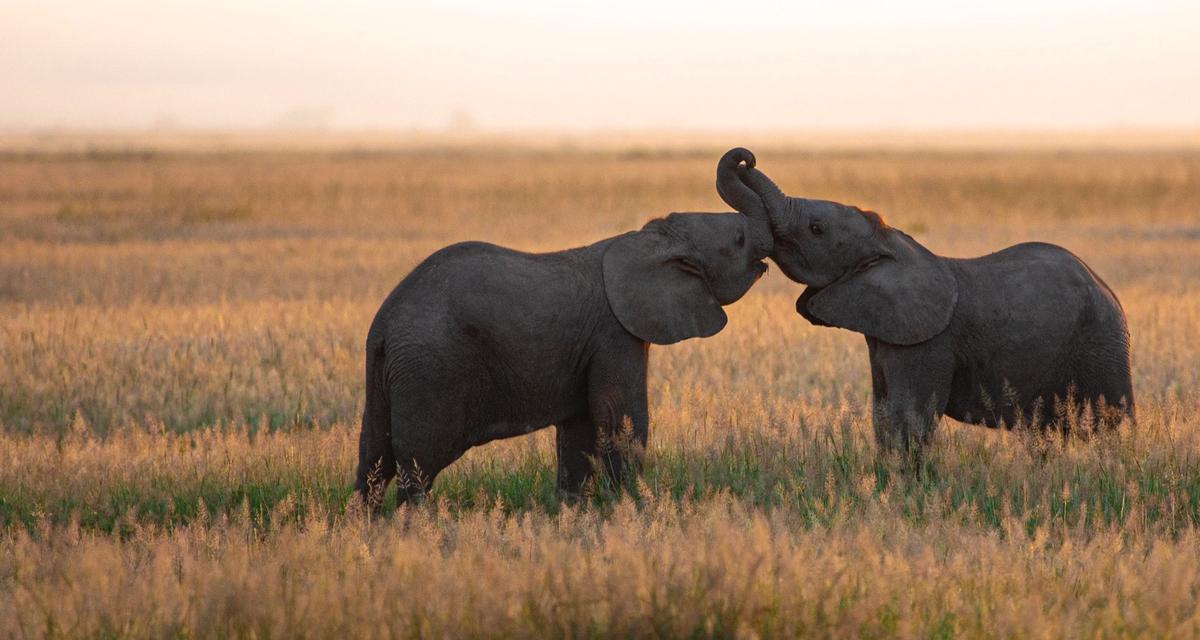
Between 2010 and 2019 Joyce and Petter worked in the Maasai Mara, Kenya and in Gorongosa, Mozambique (see the pages on these two studies). In 2020, they returned to Amboseli to film elephant behavior and record their vocalizations for inclusion in The Elephant Ethogram: A Library of African Elephant Behavior.
Joyce Poole
In 2023 and 2024 trophy hunters in Tanzania began to target mature male elephants from Amboseli’s cross-border population, killing five individuals with massive tusks. ElephantVoices, the Amboseli Trust for Elephants, the Big Life Foundation and others joined forces to halt the killing. The effort included placing a satellite collar on Esau, one of Amboseli’s well known super-tuskers who spends part of his time in Tanzania. See our multi-author Letter to Science Stop elephant hunting in the Tanzania borderlands.
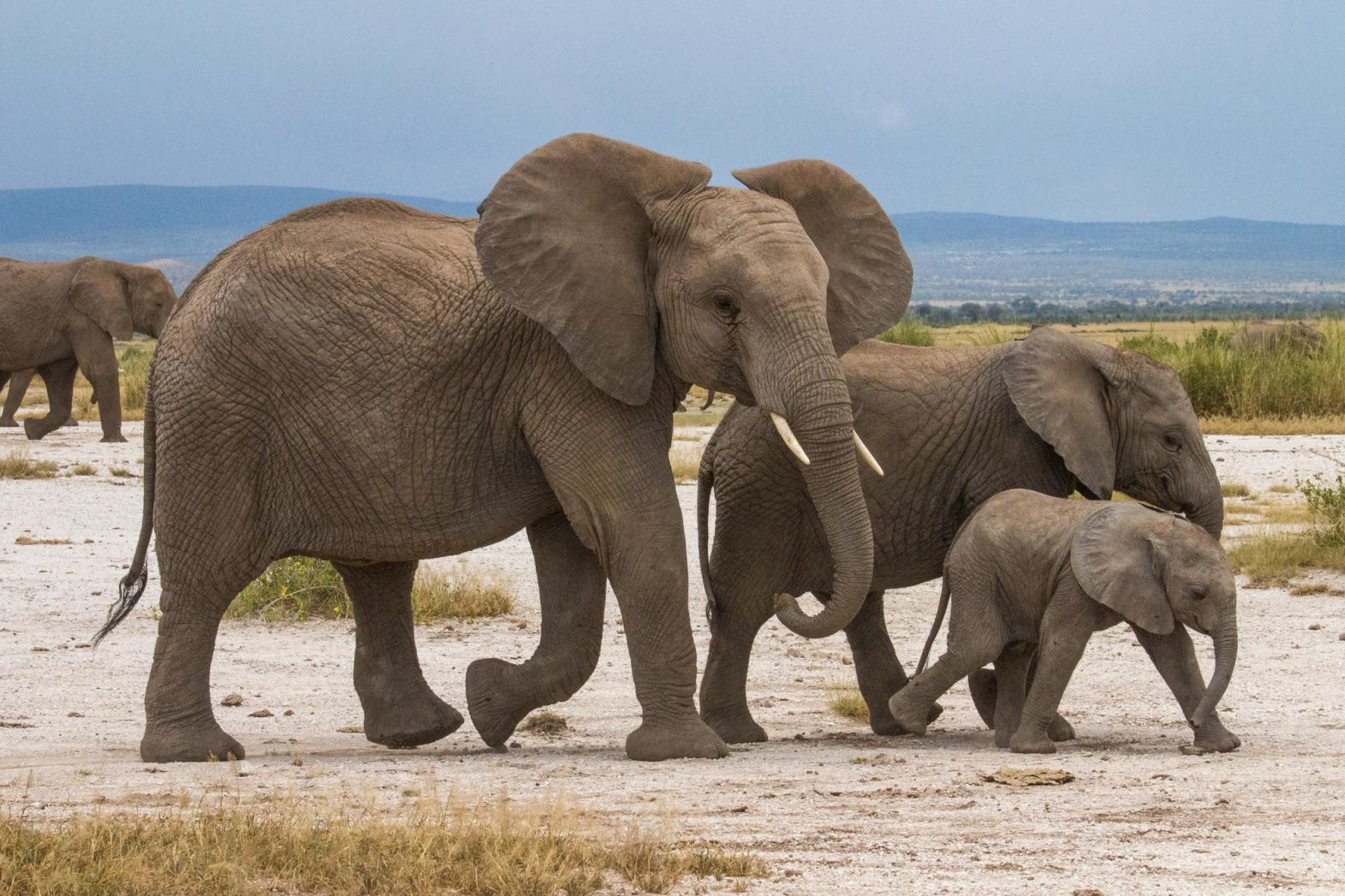
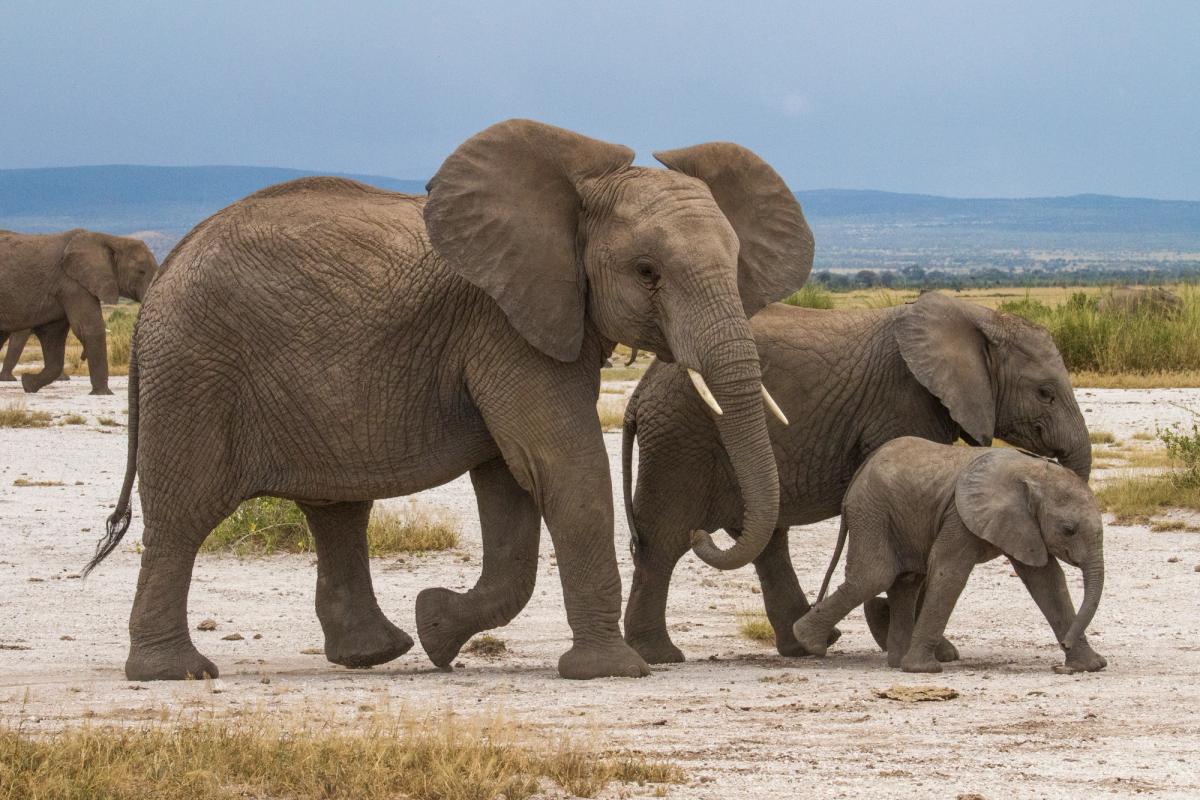
Long-term collaboration with Dr. Mickey Pardo led to another remarkable finding. Using machine learning, Mickey used our Amboseli and his Samburu recordings of known individuals to show that elephants create and use names for one another. We had long suspected that elephants were addressing specific individuals with their contact calls, but it was Mickey’s careful analysis that led to this breakthrough. African elephants address one another with individually specific name-like calls was published in Nature Ecology and Evolution. A second study using the same dataset found clear evidence for vocal distinctiveness between individual elephants and between the two populations and subtler indications of differences between social groups within a population.
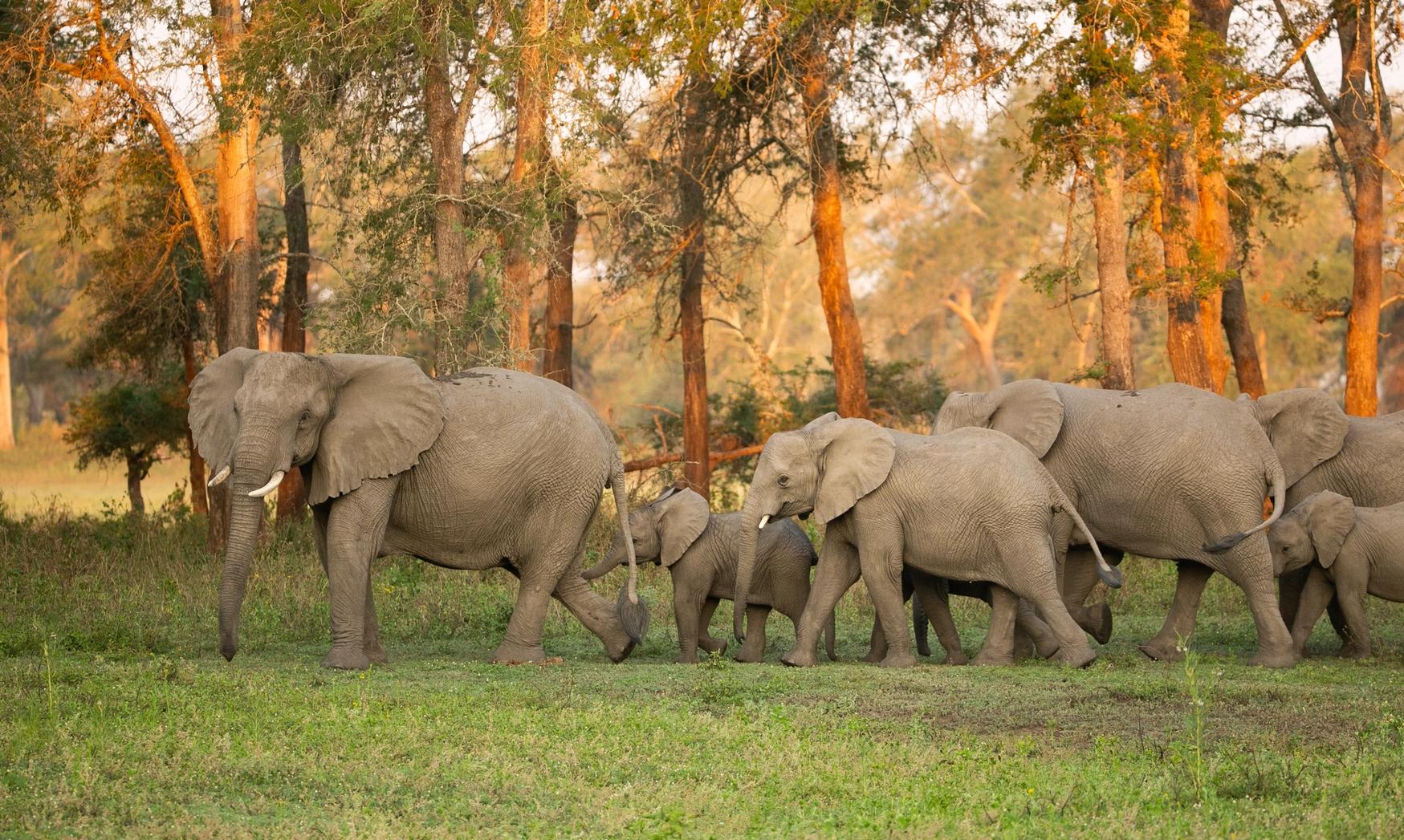
The largest video and audio library of elephant behaviors.